

A Closer Look: A Unique Philippe Dufour Simplicity with Butterfly Wings
Reviews
A Closer Look: A Unique Philippe Dufour Simplicity with Butterfly Wings

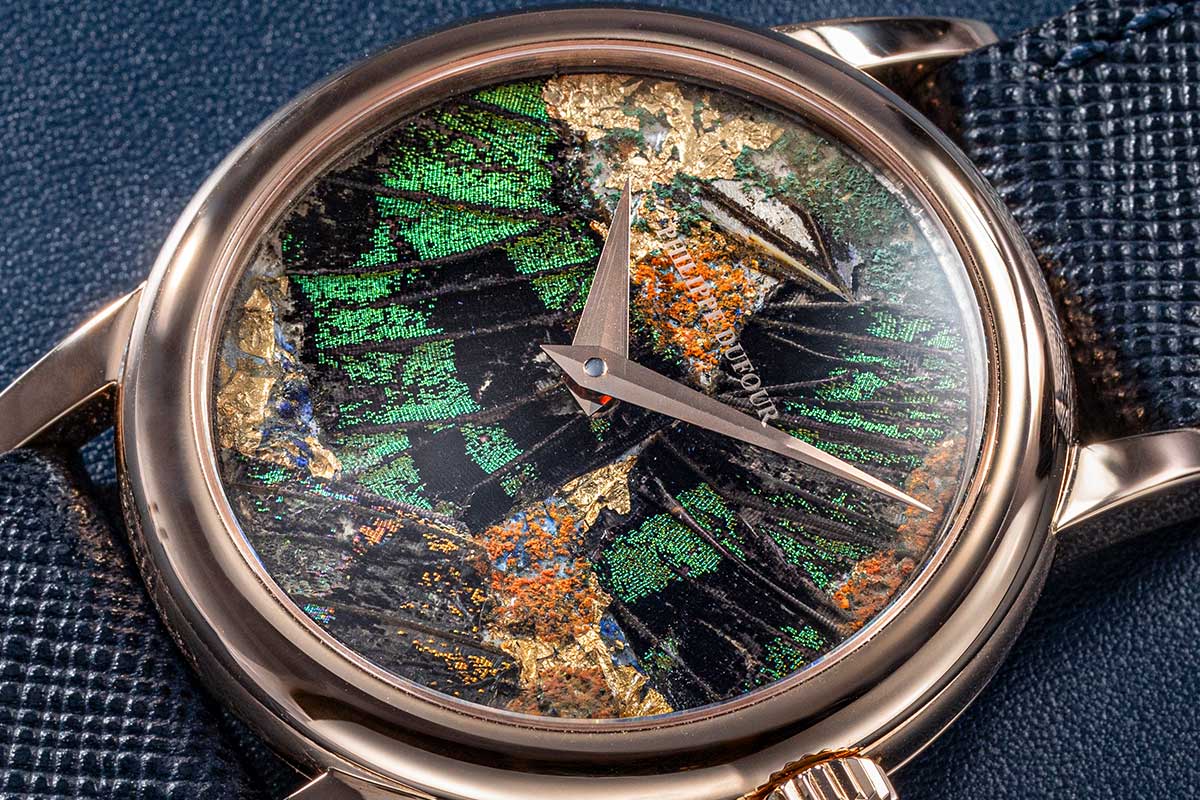
One of the most magnificent watches at the upcoming Phillips Geneva sale is a unique Philippe Dufour Simplicity with its dial set with butterfly wing marquetry. The movement that has become the legend it is, has been paired with a dial decorated by artist Dominique Arpa-Cirpka using one of the rarest and most delicate métiers d’art. The result is a watch of almost inexplicable beauty; it feels less like a variation and more like a culmination.
The Philippe Dufour Simplicity is a watch that scarcely requires introduction. It is, in many ways, the fulfilment of a lifetime spent in the quiet, exacting pursuit of horological perfection. Unlike many independent watchmakers today, who begin their careers with elaborately hand-finished time-only watches, Dufour arrived at the Simplicity only after first tackling one of the most demanding complications in all of watchmaking. In 1992, he introduced the world’s first grande and petite sonnerie wristwatch, a technical achievement surpassing even the minute repeater in complexity, requiring additional mechanisms for autonomous chiming of the hours and quarters. After mastering the most complex of complications, Dufour turned his attention to chronometry. In 1996, he unveiled the Duality which was the first wristwatch in which two balance wheels were driven by a differential on the finishing gear. This is to produce an average and therefore more precise rate than either could achieve alone. It was only in 2000 that he introduced the Simplicity, which he would go on to produce for rest of his career.
Philippe Dufour Simplicity (Revolution©)
Throughout its production run, the Simplicity was made in platinum, white gold, and pink gold, with two dial variants: a white lacquer dial and an engine-turned dial. Just over 200 pieces were made in total, spanning both a 37mm model and a smaller 34mm version, before the model was discontinued. In 2020, Dufour announced a limited edition of 20 Simplicity watches as well as a unique piece to mark the model’s 20th anniversary. The limited edition was evenly divided between all three metals and was distinguished by a hinged case back, along with a guilloché dial with applied Breguet numerals.
Philippe Dufour Simplicity (Revolution©)
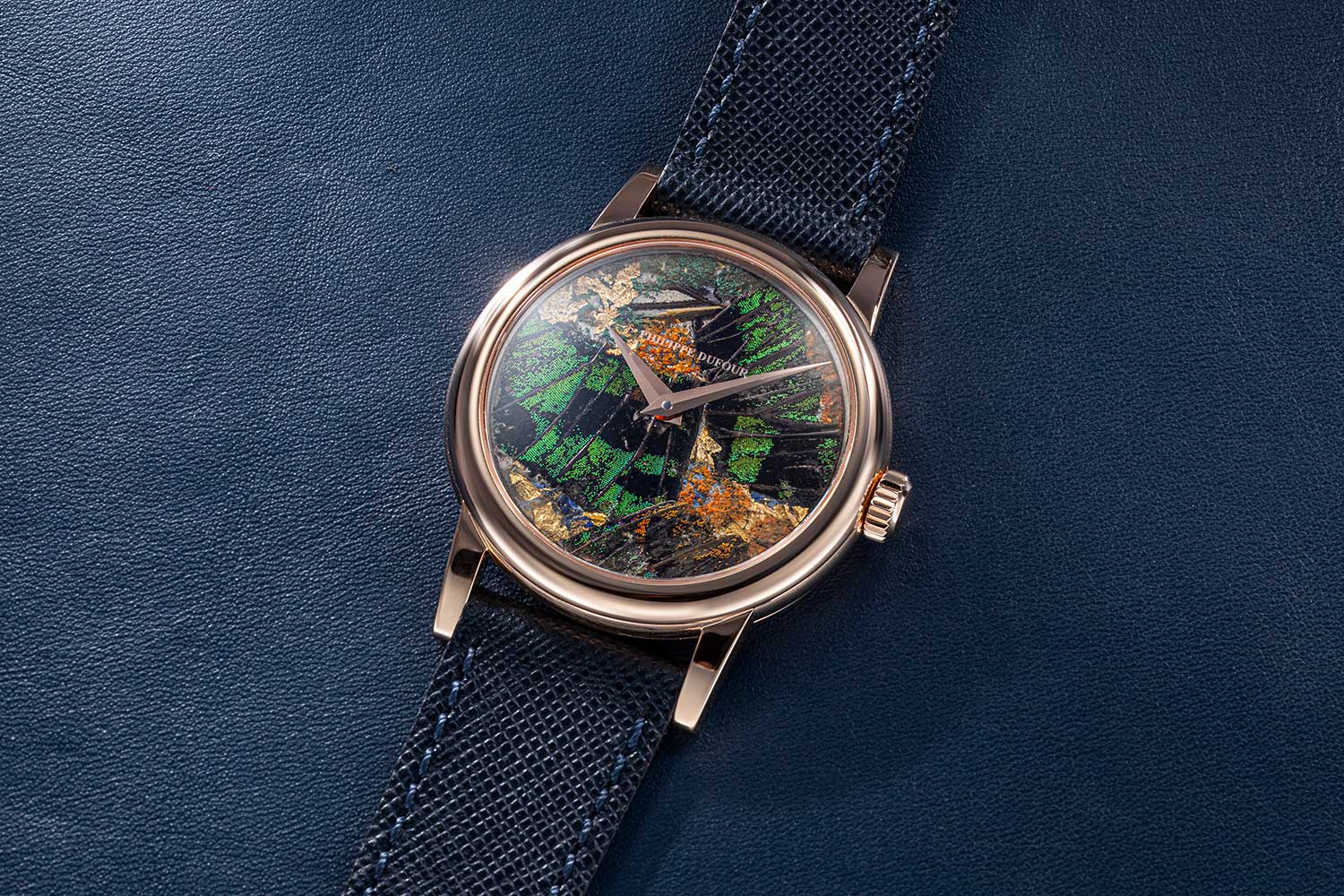
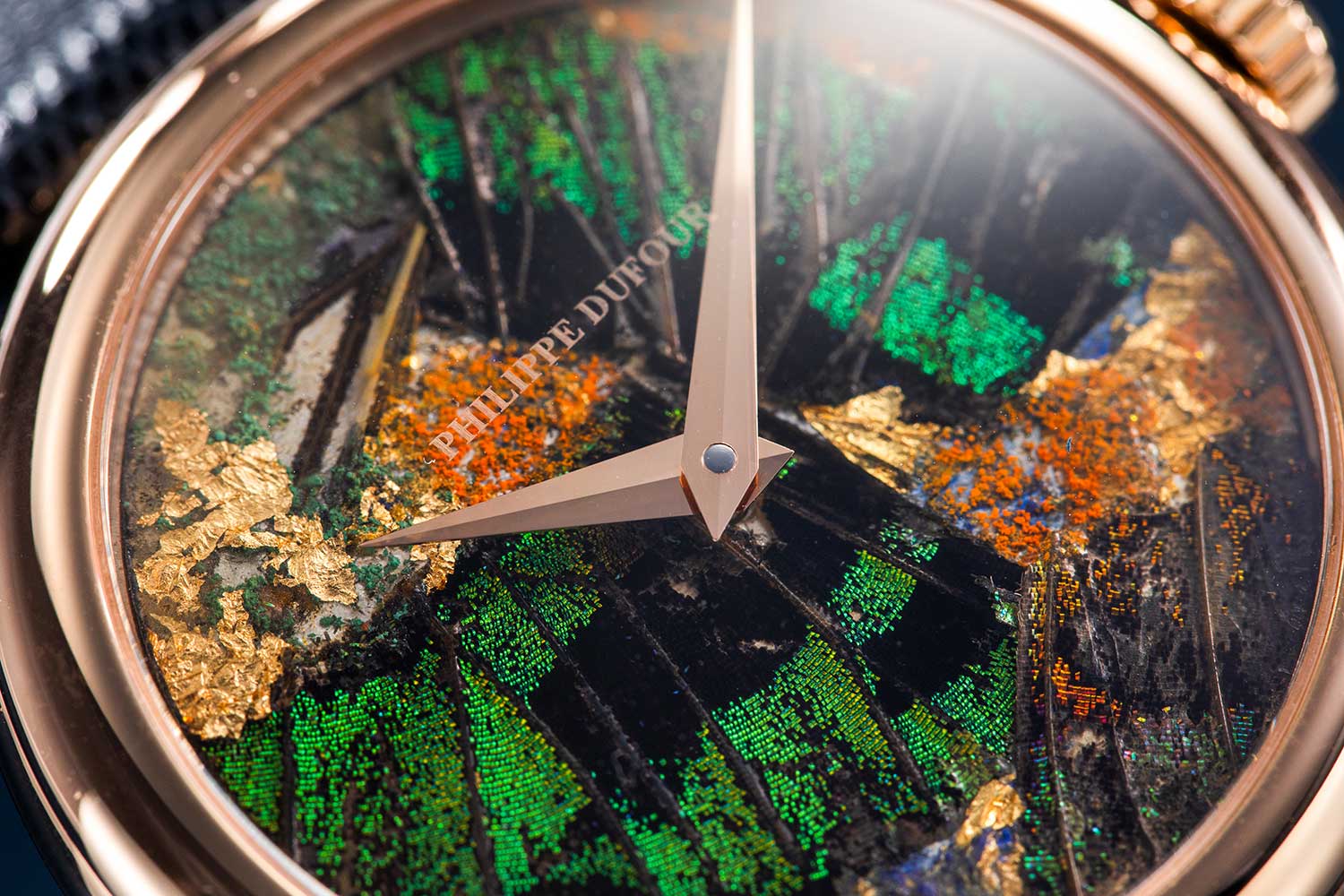
Thus, the Simplicity that will be sold at Phillips in Geneva marks the first example to incorporate rare handcrafts in which rare is an understatement; the watch features actual butterfly wing fragments that have been pieced together to form the dial. It is part of a group of 11 timepieces being offered to benefit the Philippe and Elisabeth Dufour Foundation, an initiative established in June 2023 to address humanitarian needs both in Switzerland and abroad. Its mission includes providing essential resources such as food, clean water, healthcare, housing, and education to marginalised communities, while also supporting environmental preservation and the safeguarding of artisanal crafts.
Butterfly Wing Marquetry
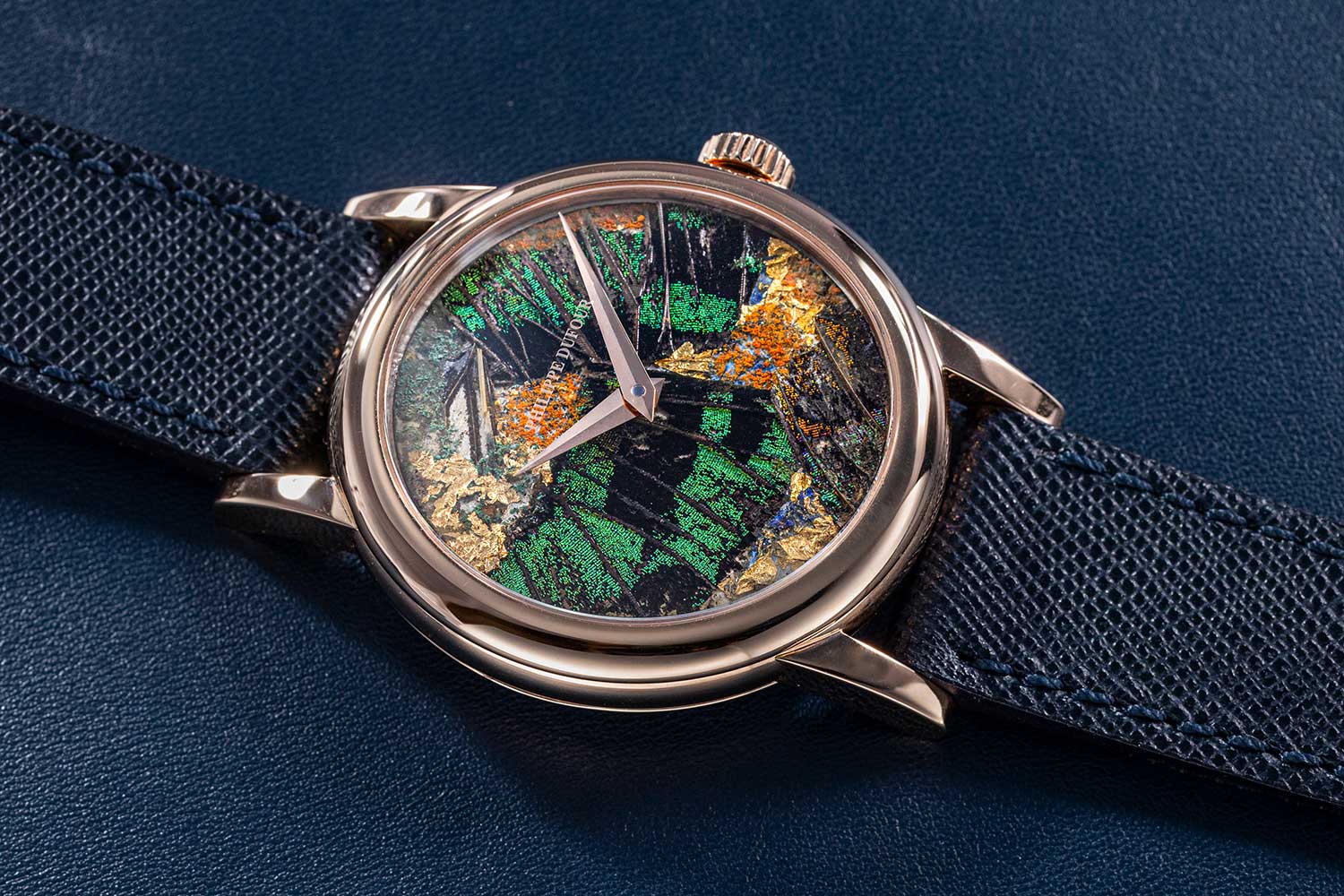
This unique piece is a 37mm model featuring the quintessential Simplicity case in pink gold. The dial was crafted by Dominique Arpa-Cirpka, an artist based in Collonge-Bellerive near Geneva. Dominique pioneered the use of butterfly wing marquetry in 2009 – around six years before Harry Winston – and has since created butterfly dials for ArtyA, the brand founded by her husband, Yvan Arpa.
Philippe Dufour Simplicity with butterfly wings (Revolution©)
Incidentally, ArtyA has also contributed a unique watch to the sale – the Curvy Purity Tourbillon Ruby – featuring a dramatically open-worked double-barrel movement with an 18mm wide flying tourbillon, housed in a ruby red sapphire case.
-

- Artya Curvy Purity Tourbillon Ruby
-
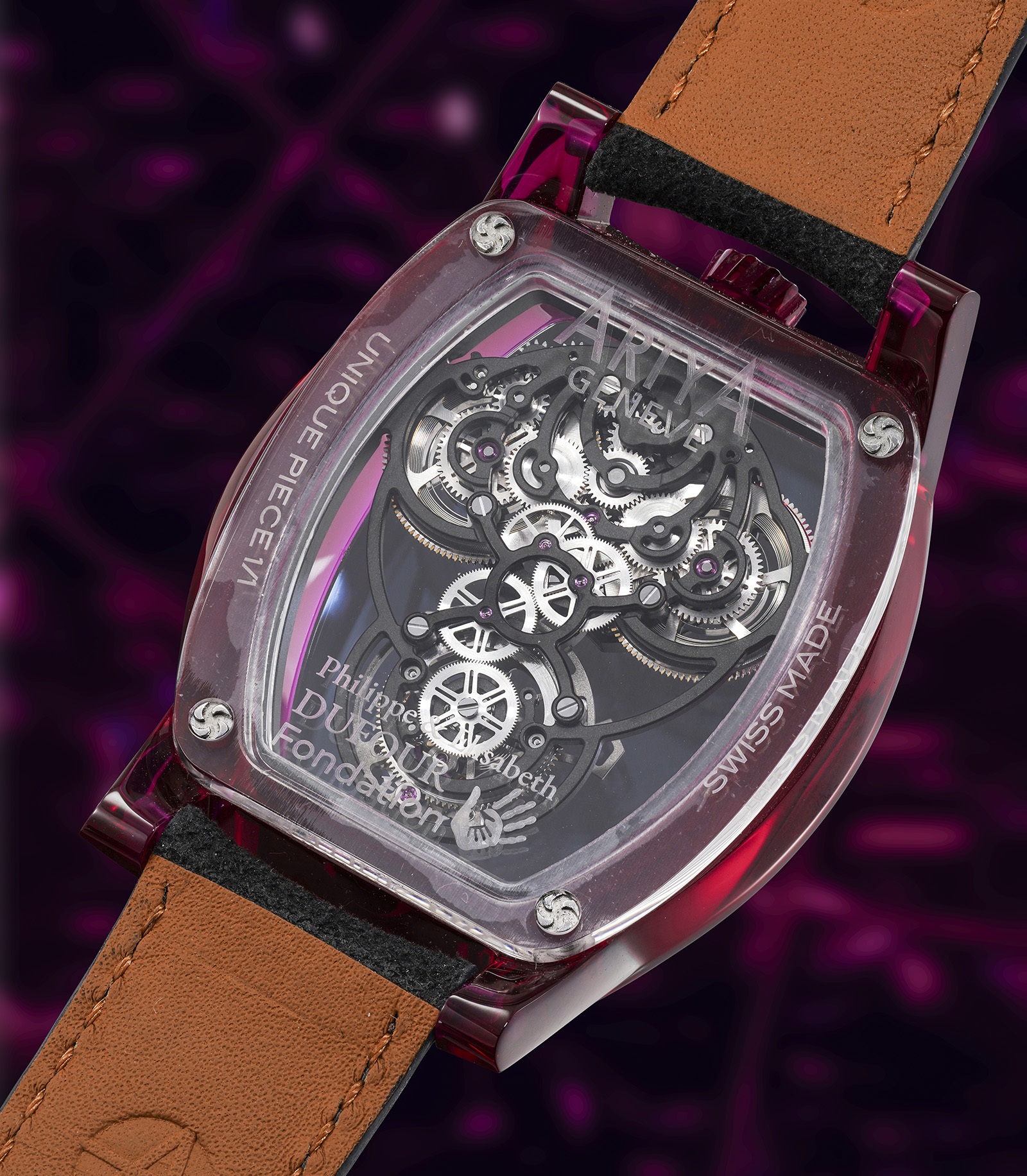
- A dramatically open-worked tourbillon movement with bridges frosted using cast-iron microbeads
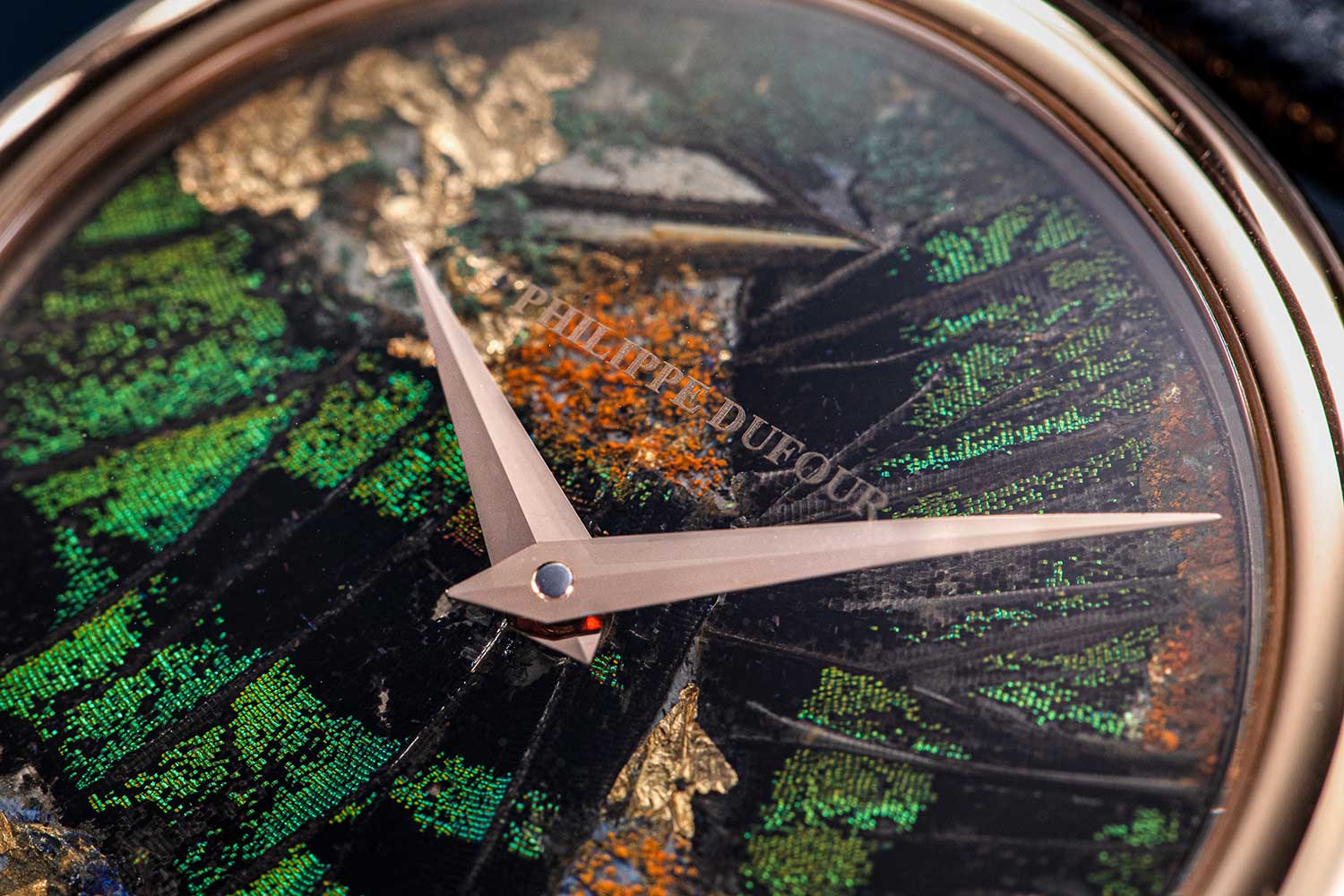
Even though so few of such dials exists, it’s fascinating to consider the technique behind butterfly wing marquetry, particularly when examining examples like this and how it differs from the handful of others on the market. Unlike the method employed by Harry Winston where individual scales of the butterfly wings are harvested and reapplied to create a reconstructed motif, this dial is composed of actual butterfly wing segments, preserved and pieced together on the dial.
One of the first visual cues is the presence of natural vein patterns across the surface. These veins are neither symmetrical nor uniform; some taper off abruptly, others fork unexpectedly. Such irregularity is difficult to replicate artificially at a micro scale and is a hallmark of biological authenticity.
Philippe Dufour Simplicity (Revolution©)
Butterfly wings consist of two thin layers of chitinous membrane, reinforced by a network of longitudinal and cross-veins. These veins serve as both the structural skeleton and, during development, as conduits for haemolymph, nutrients, and signalling molecules. They form through tightly regulated biological processes such as morphogenetic patterning and vein differentiation, which result in the naturally varied geometries seen here.
The green iridescent areas are scales – minute, overlapping platelets composed primarily of chitin – that remain attached to fragments of the original membrane. It is these scales, aligned in microscopic layers, that cause the surface to shimmer and shift in colour depending on the viewing angle, a phenomenon known as structural coloration, which is only possible because the material remains organic and intact. Following this, gold leaf and natural pigments are added to fill voids and enhance the composition.
In contrast, the method used at Harry Winston involves harvesting individual wing scales that are detached from the wing and applied individually to the dial. This approach, while meticulous and expressive, eliminates the underlying membrane and vein structure entirely. As a result, the Harry Winston dials appear flat, uninterrupted and more pixellated under magnification, lacking the directional three-dimensionality and micro-topography of actual wing fragments.
As so few multimedia marqueteurs exist, and even fewer who specialise in butterfly wing marquetry, the specifics of the process, from preparation and preservation to assembly and adhesion, remain closely guarded secrets.
When Craft Becomes Canon
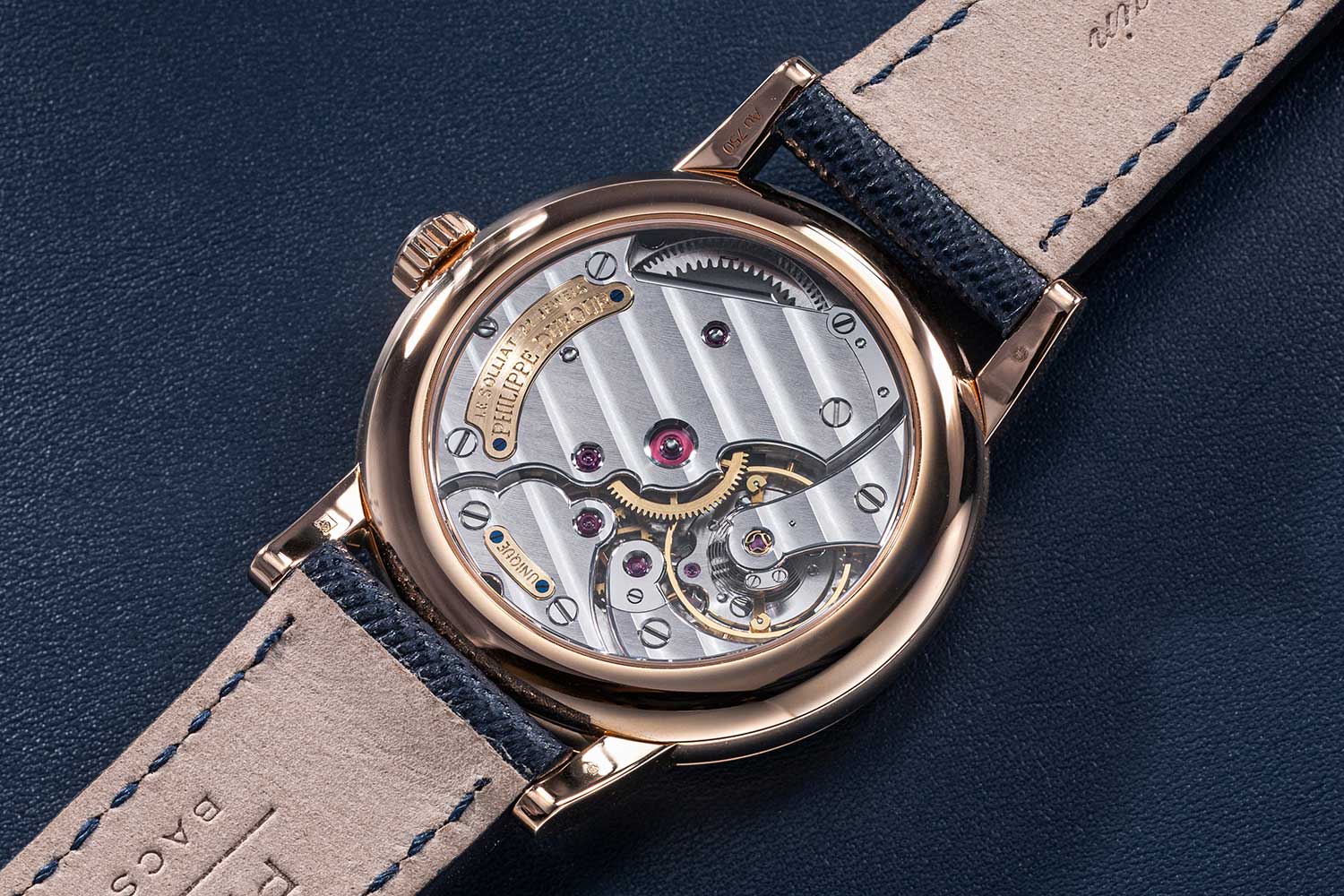
Philippe Dufour Simplicity (Revolution©)
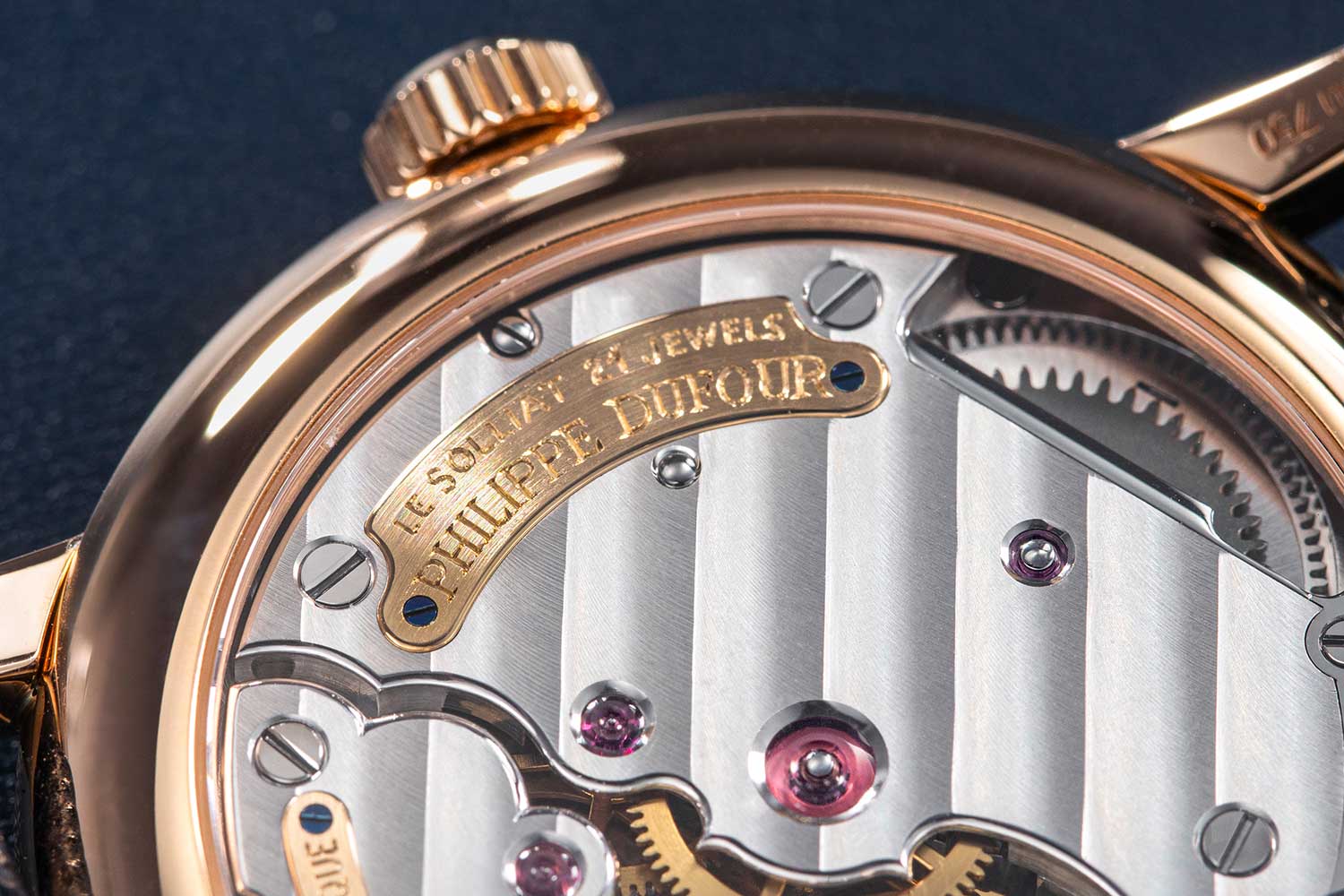
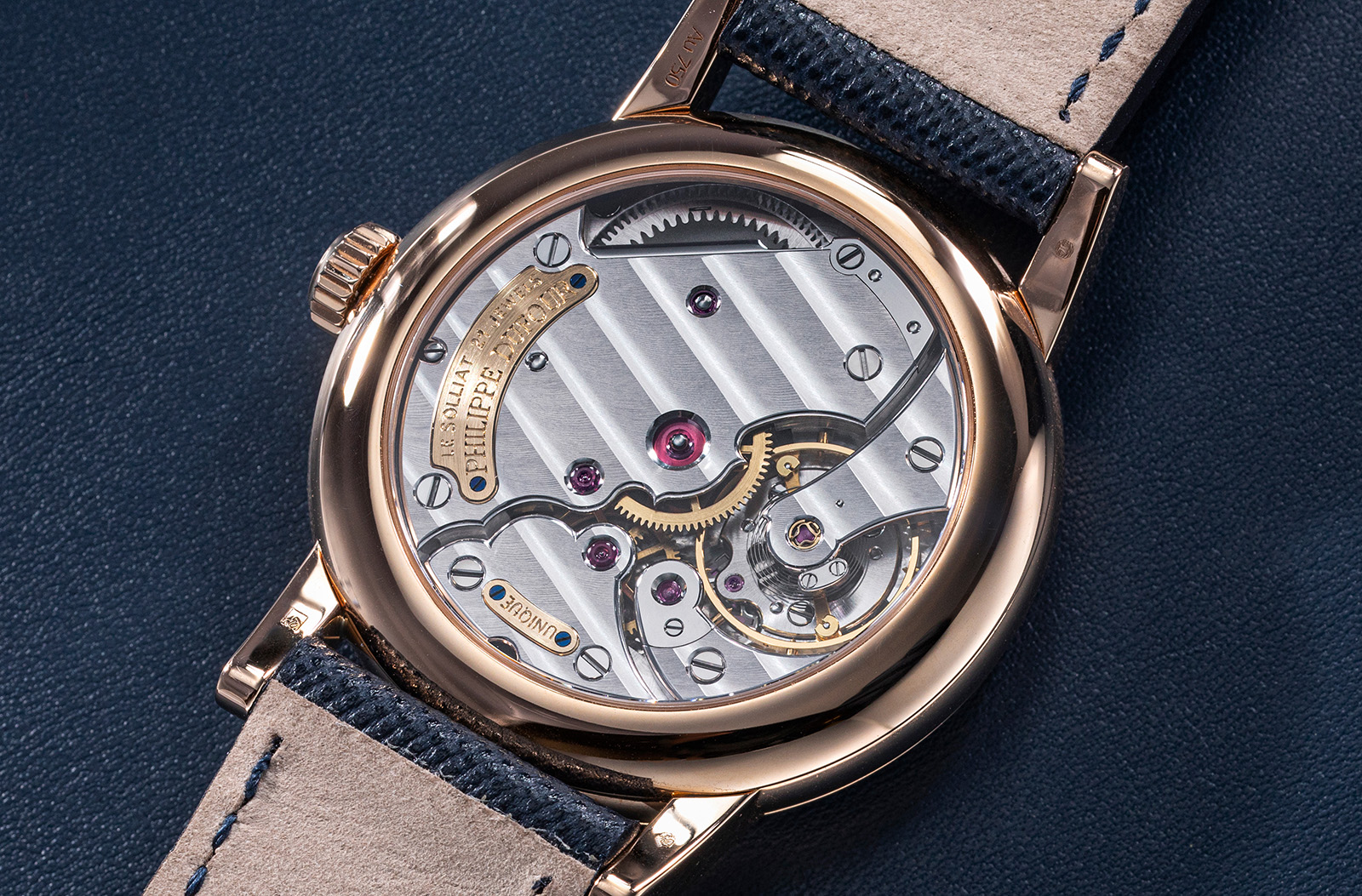
Hand-engraved gold plate secured with blued screws, bearing the unmistakable marks of manual tools (Revolution©)
The movement is deliberately traditional – a time-only, manual-wind calibre with a train design rooted in classical Vallée de Joux watchmaking. But under Dufour’s hand, this familiar layout is elevated into an idealised form, in which every part exists not just to perform a function, but to show how beautifully that function can be realised.
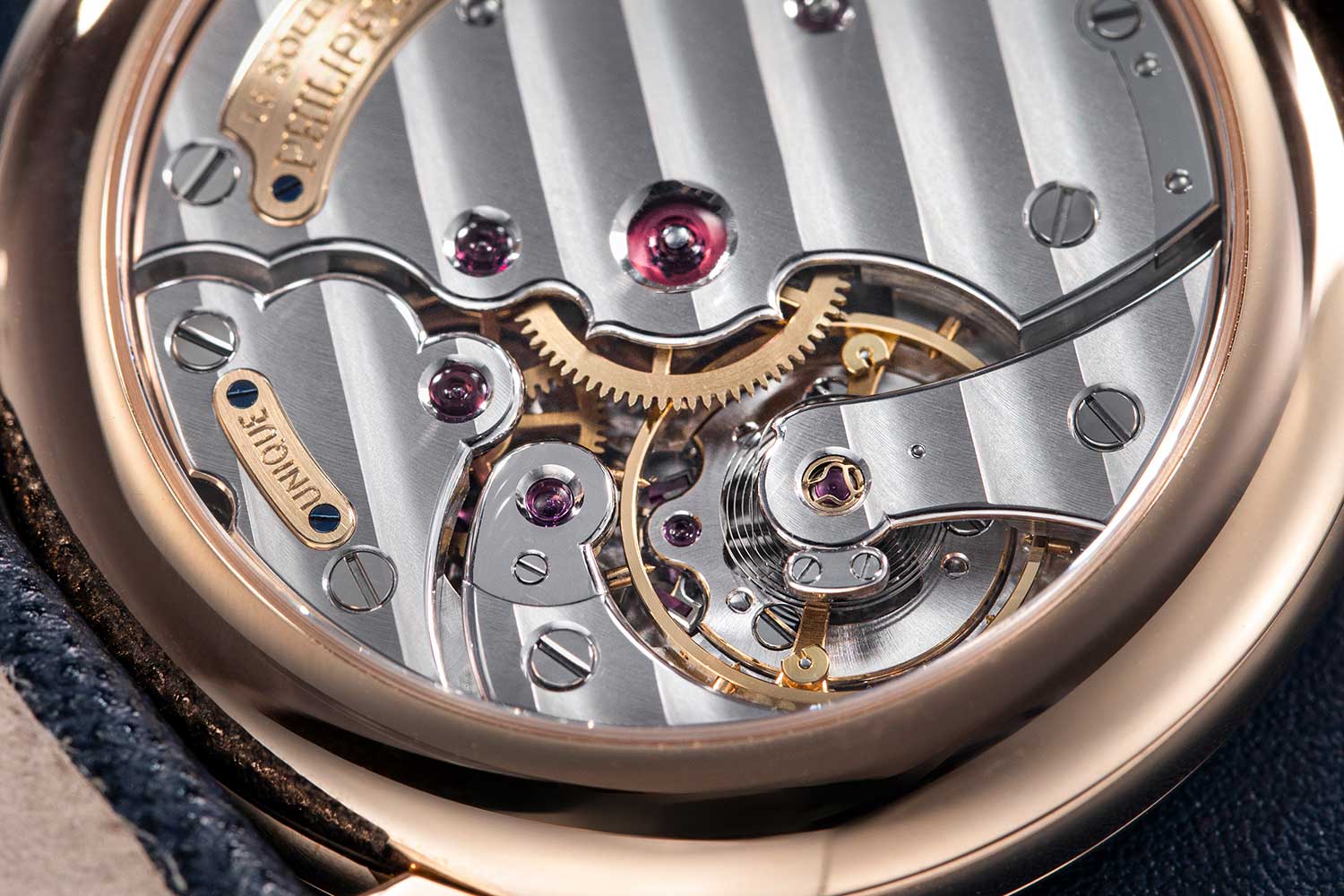
The balance wheel runs at a traditional frequency of 2.5Hz and is free-sprung design greater rate stability (Revolution©)
The bridge architecture is generous and expressive, with an elegantly sculpted barrel bridge whose sweeping curves rise to a peak and resolve into two sharp external angles. The third wheel sits beneath its own bridge, which has been purposefully shaped to accommodate the form of the barrel bridge above it with corresponding internal angles. This compositional fitting – the way one shape flows into and completes the other – simply makes for a movement that’s quietly breathtaking, one that’s hard to put into words without dulling its impact.
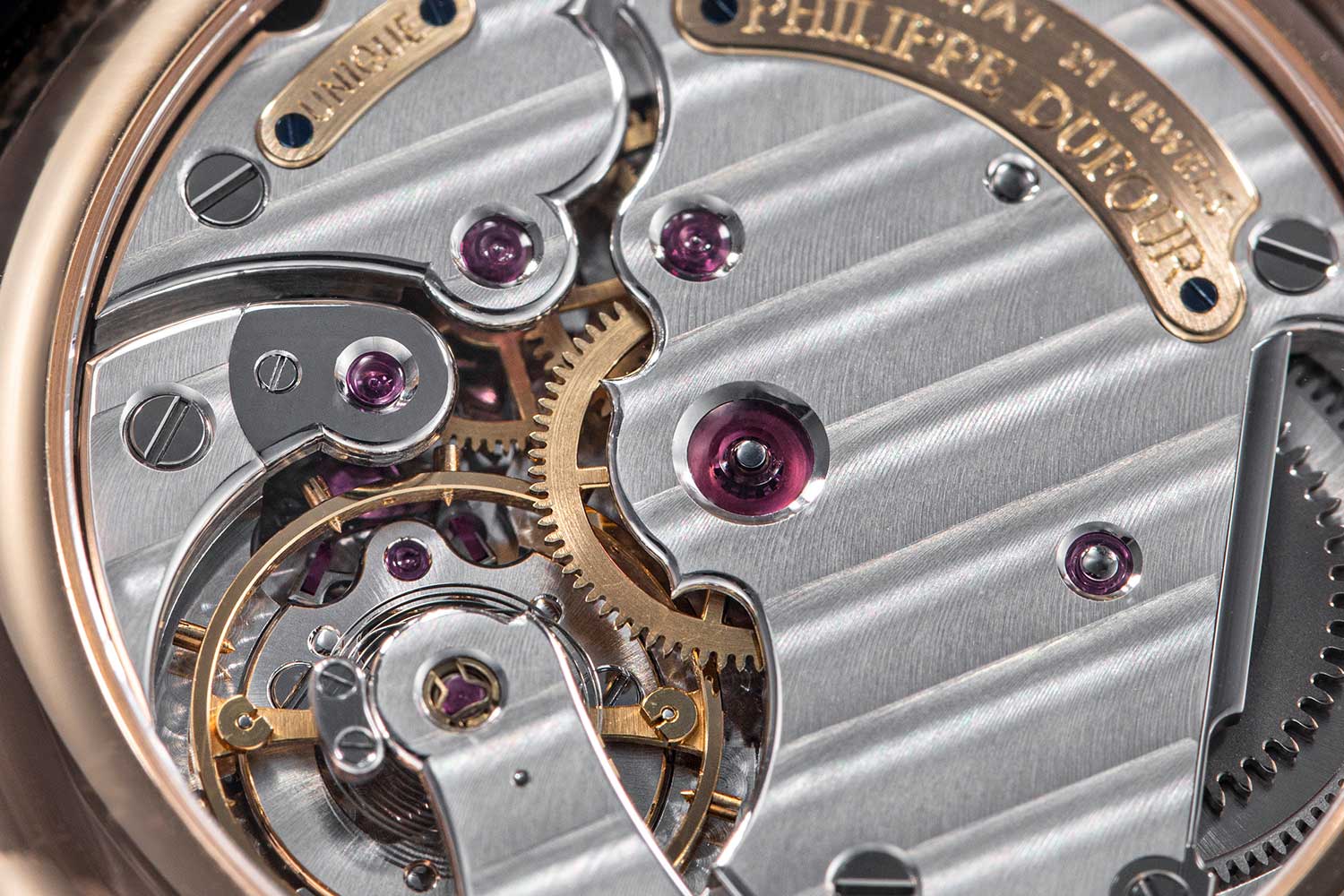
Ordinary components brought to an extraordinary level of execution (Revolution©)
The anglage is deeply rounded and flawlessly uniform. Countersinks for the jewels are deep and mirror-polished, while the screw heads, click, and the cap for the escape wheel bridge are black-polished to a liquid gloss. The click is a traditional, beautifully shaped narrow bar with an integrated blade spring on one end and a lever on the other. The foot of the click sits flush with the barrel bridge and is held in place by two pins and a screw. Winding the watch is an experience unto itself. The click doesn’t just sound crisp; it feels tuned. It’s a deliberate pursuit of mechanical pleasure, where tactile response is treated as seriously as visual execution.
Philippe Dufour Simplicity (Revolution©)
There is nothing mechanically exotic here. But to mistake the calibre in the Simplicity as basic is to misunderstand it entirely. What Dufour has achieved is the ultimate reduction: a movement with nothing extraneous, yet nothing overlooked. It is simply a distillation of what makes watchmaking meaningful, in its most essential form.
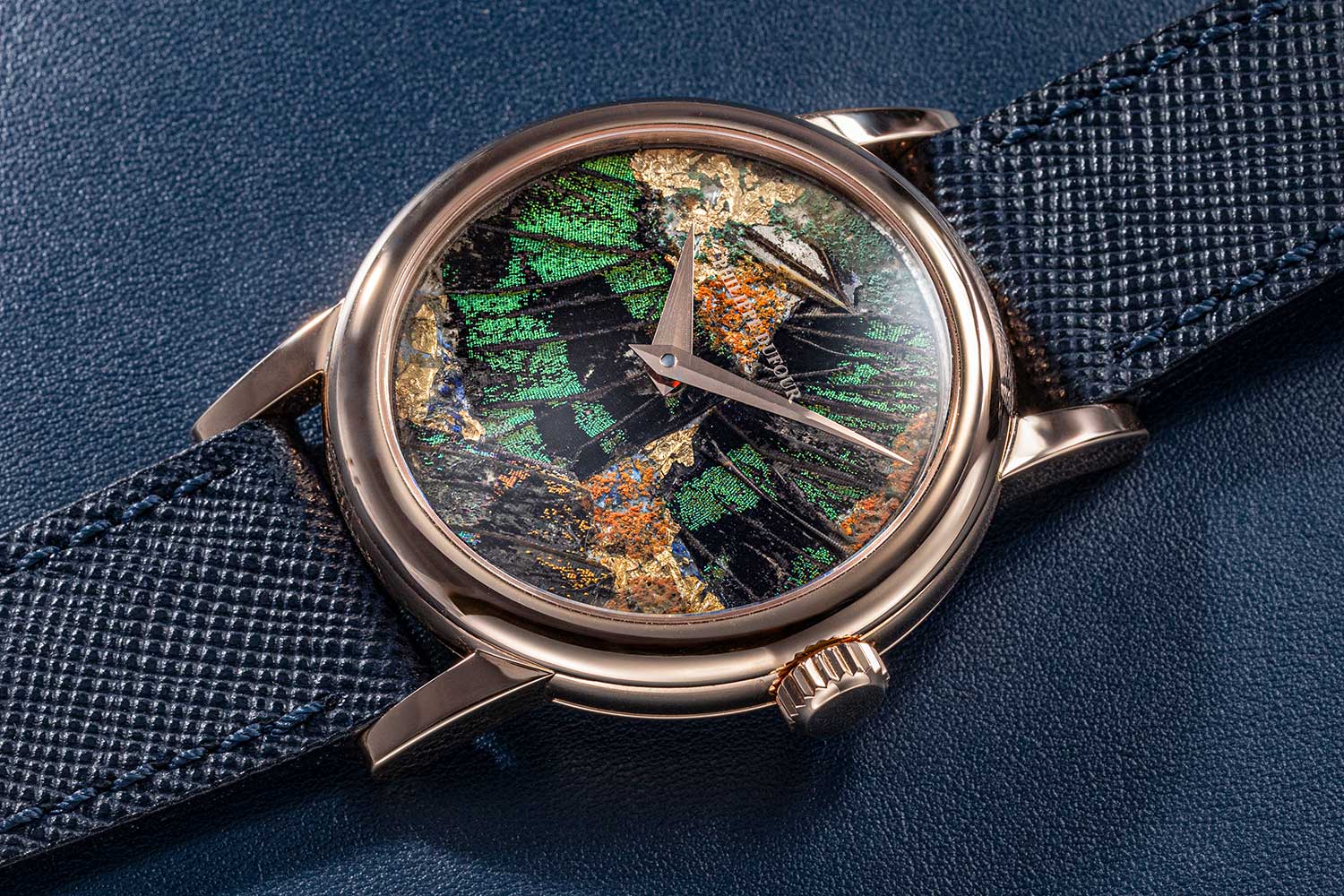
The Philippe Dufour Simplicity with Butterfly Wings will be offered at The Geneva Watch Auction: XXI, taking place on 10–11 May at the Hôtel Président, Quai Wilson 47, in central Geneva.
Philippe Dufour