

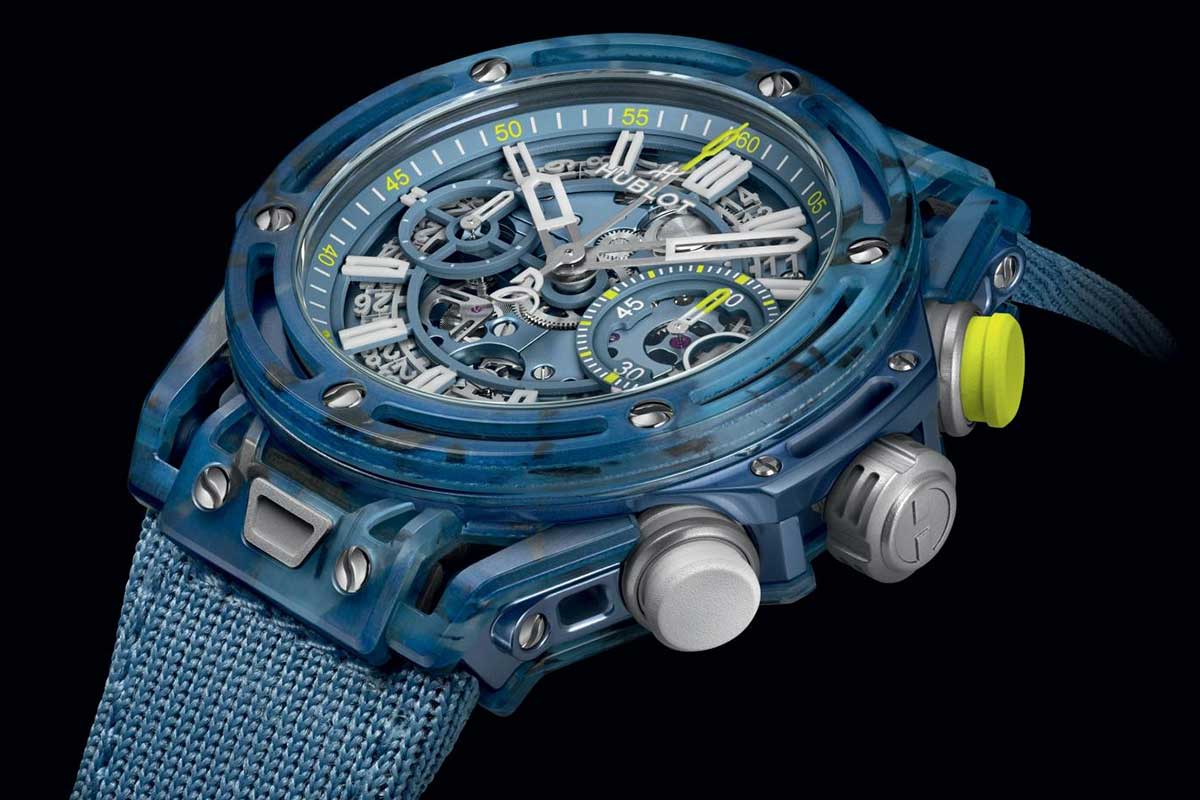
The Best Of Hublot’s Material Innovations
Editorial
The Best Of Hublot’s Material Innovations

From art and music to football and tennis, the world of Hublot is a vast creative universe unto itself. It is a brand that moves quickly, full of energy, never resting, and always seeking new challenges because it’s never satisfied with the status quo. This often gives the impression that it is a brand that’s all about marketing, although here’s the thing. Yes, Hublot does excel in the way it communicates, especially with that many exciting brand partners and collaborations, but make no mistake, the one consistent message uniting all of its varied endeavors is horology. Since its birth in 1980, Hublot has earned its way into luxury watchmaking by forging its own distinctive path, one that began with a bold juxtaposition of opulent and prestigious solid gold with the raw, industrial nature of black vulcanized rubber.
This was the singular vision defined by its original founder Carlo Crocco, whose ambition was to create a practical watch that could withstand the elements. Before Hublot, no other brand envisioned the day would come where gold and rubber would ever be entwined in a luxury product, yet today it is all but the norm. Those early Hublot watches, known today as Classic Originals, were the ones that paved the way towards a future replete with ever more audacious inventions and pioneering solutions, giving rise to Hublot’s iconic catchphrase “Art of Fusion” and cementing its unrivaled position as the Swiss watch industry’s master of material innovation.
Hublot’s meteoric rise throughout the years that followed was nothing short of phenomenal, thanks in no small part to the industry legend who stood at its helm, Jean-Claude Biver, who also coined the phrase “visible invisibility” right around the time he introduced the Big Bang in 2005, a watch that would dramatically change the brand’s universe — and the Swiss watch industry — forever. Just as there had been no gold-rubber pairings before Carlo Crocco, there were no all-black watches before Jean-Claude Biver, yet suddenly they became the sexiest thing you could ever put on the wrist. The idea that a luxury watch was something you wore no longer just to read the time but also to express your personality was a burgeoning concept then. But Hublot definitely helped supercharge it, arriving at a truly contemporary vision of haute horlogerie that resonated with the audiences of tomorrow.
Visionary Alchemist
Today, the Big Bang is one of Hublot’s many product pillars, which also include the Classic Fusion, the Spirit of Big Bang, the Square Bang, and a plethora of exceptional timepieces which simply defy categorizing. To date, the manufacture has also made its watches with every material known in modern watchmaking, beginning first with the known, before moving swiftly onto increasingly unfamiliar ground. Apart from 18K gold, Hublot conquered all the other metals: steel, platinum, titanium and tantalum as well, while also experimenting successfully with magnesium and aluminum, going so far as to patent its own unique alloy, Hublonium, which is an astonishing combination of the two. In 2007, Hublot released the Mag Bang featuring not just a case but movement parts as well, crafted in Hublonium. And this is where things started to become exponentially more and more exciting.
Hublot Mag Bang crafted in Hublonium, 2007
Because why be limited to the industry’s standard-issue when you can customize your very own proprietary alloys? Once again, Hublot worked hard and fast to turn that idea into reality. After an incubation period of just four years collaborating with the Swiss Federal Institute of Technology in Lausanne, the manufacture successfully created the world’s first and only scratch-resistant gold alloy, Magic Gold. A fusion of 24K gold and ceramic, this patented material was produced in-house at the Hublot foundry.
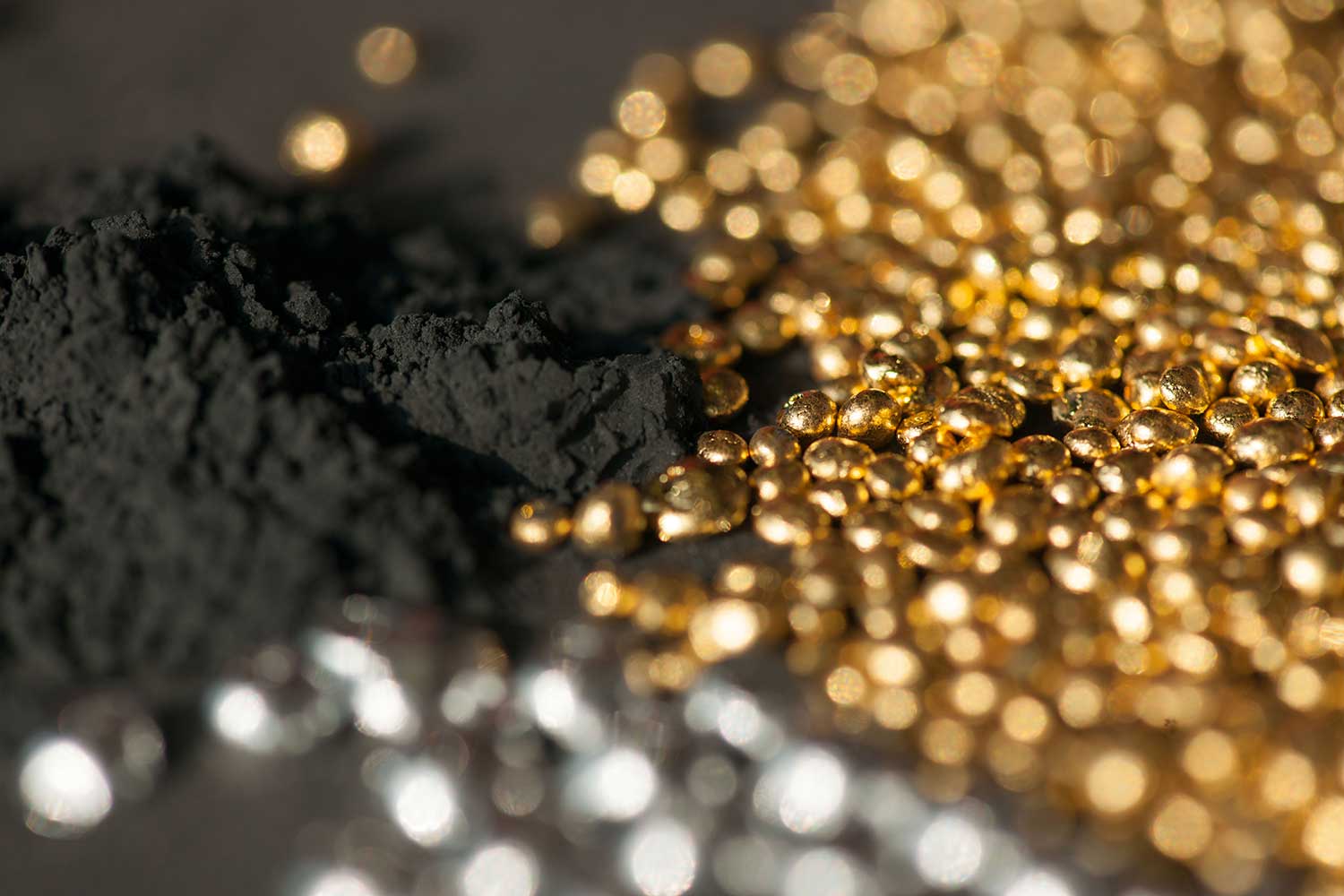
Magic Gold consists of 75 percent pure gold and 25 percent high-tech ceramic
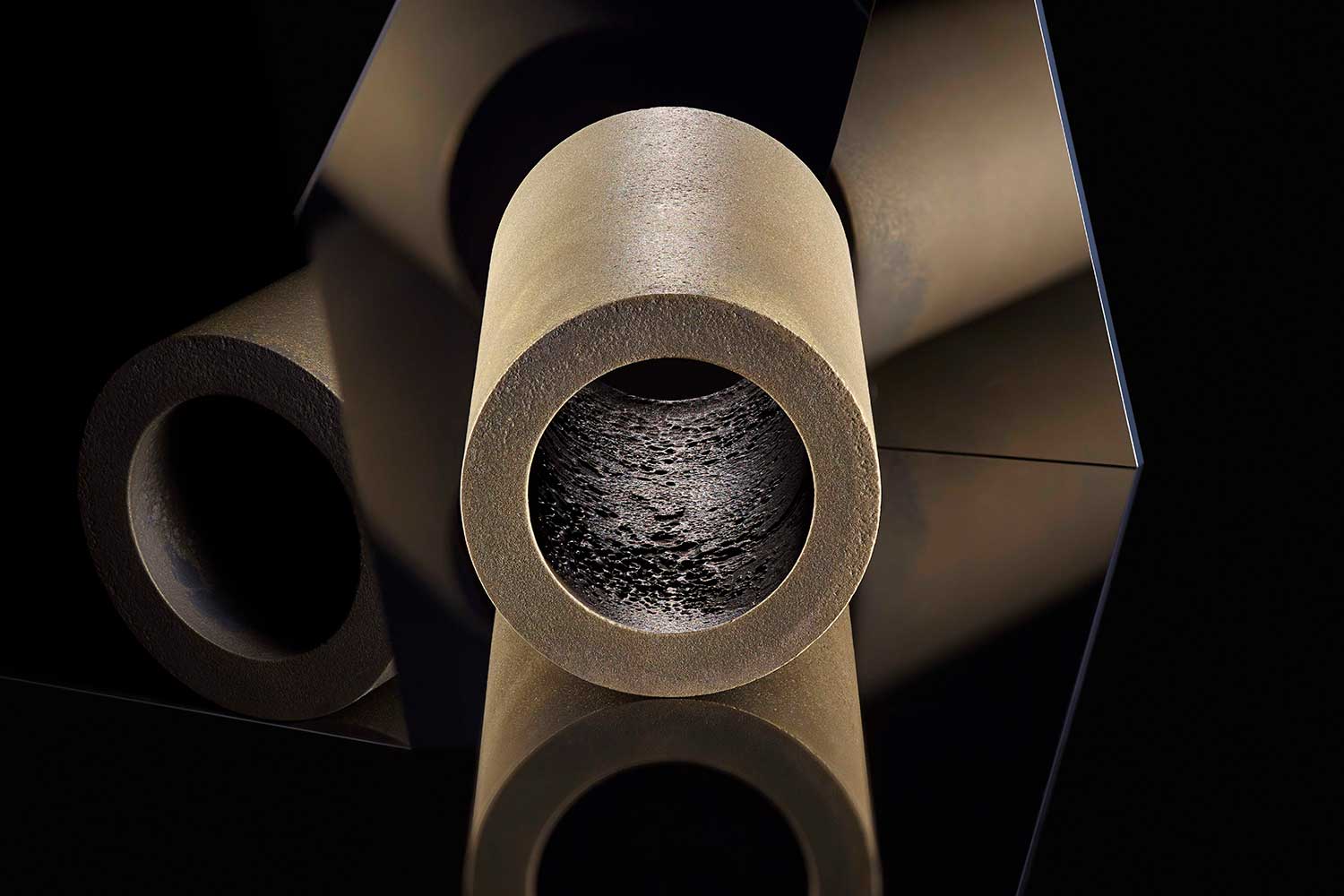
Magic Gold
Magic Gold consists of 75 percent pure gold and 25 percent high-tech ceramic, specifically boron carbide, both of which were put through a sintering process at extreme pressure and temperature, such that the molted gold is completely infused into the ceramic matrix. Consequently, Magic Gold has a hardness level of approximately 1,000 Vickers, versus standard 18K gold which is at 400 Vickers and hardened steel at 600 Vickers. Watches cased in this groundbreaking material include the Big Bang Ferrari Magic Gold (2012), as well as current production models like the Big Bang Unico and Spirit of Big Bang.
-
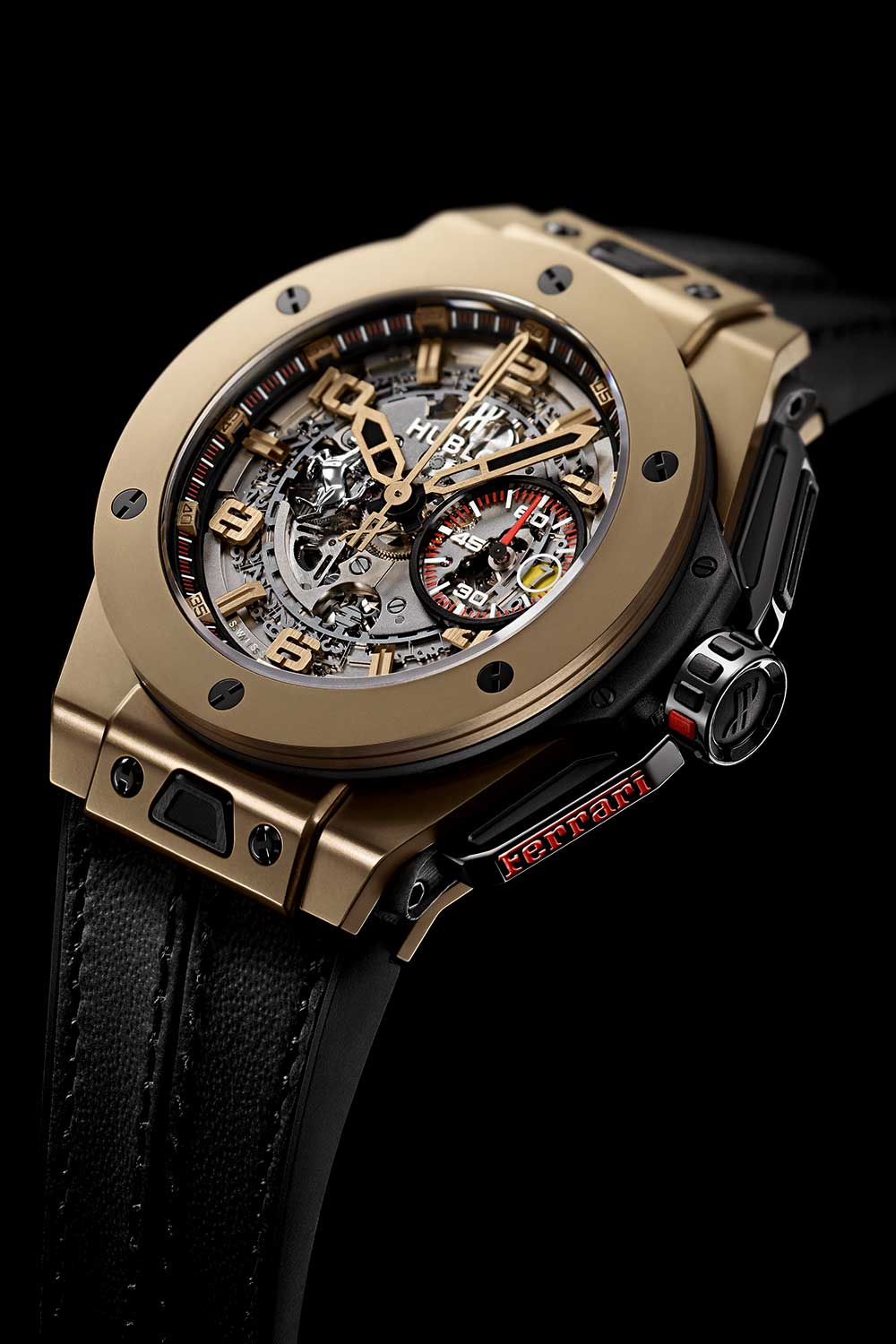
- Hublot Big Bang Ferrari Magic Gold Limited Edition, 2012
-
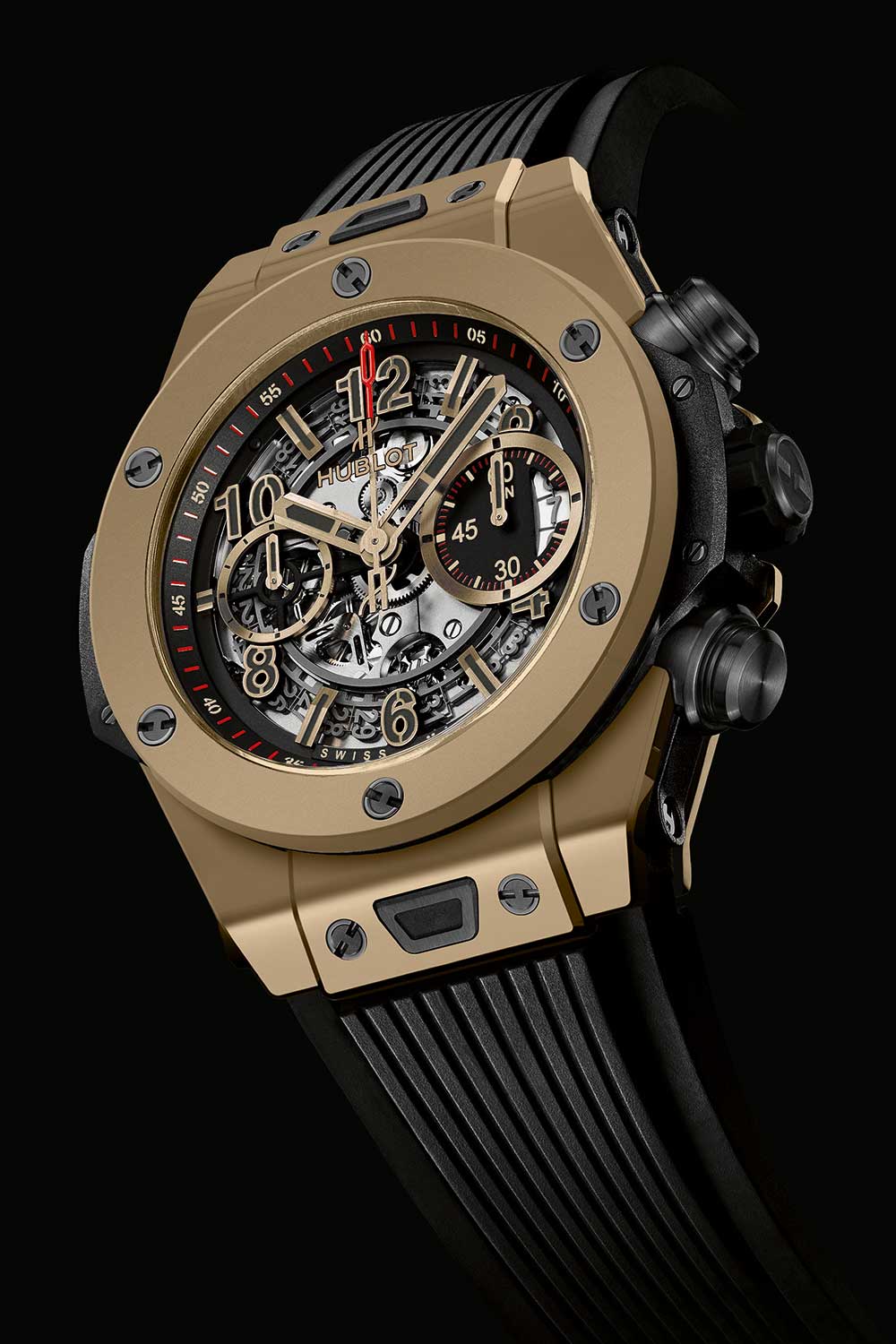
- Hublot Big Bang Unico Magic Gold, 2015
-
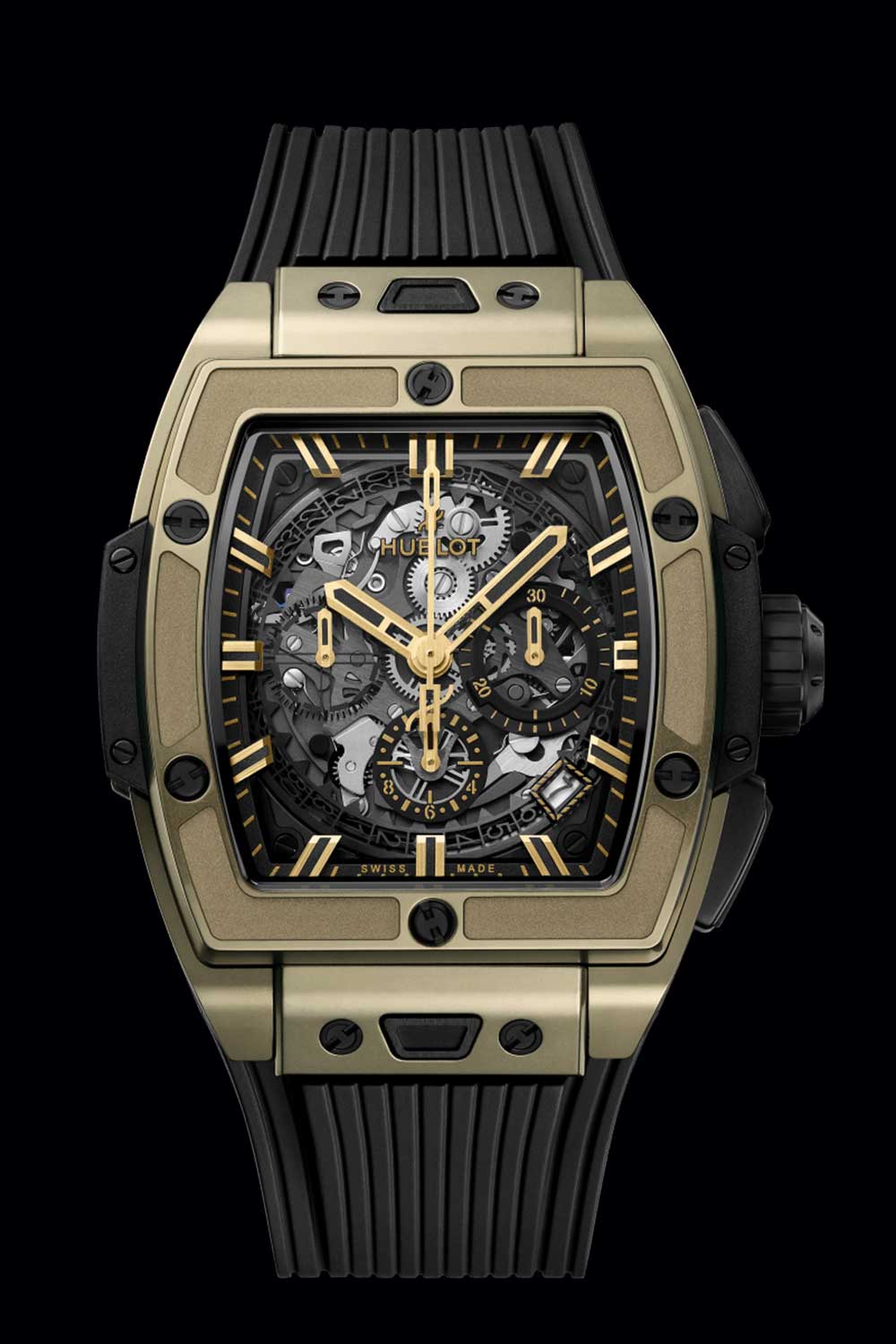
- Hublot Spirit of Big Bang Full Magic Gold
In addition to Magic Gold, Hublot has also created its own patented red gold alloy called King Gold which offers a richer, redder tone compared to traditional pink or rose gold, as well as increased resistance to oxidation. Perfectly suited for traditional polishing and satin finishing, King Gold is a blend of 75 percent 18K gold, along with 24 percent copper and 0.4 percent platinum, and pairs beautifully with other performance-oriented materials such as high-tech ceramic, carbon and, of course, rubber.
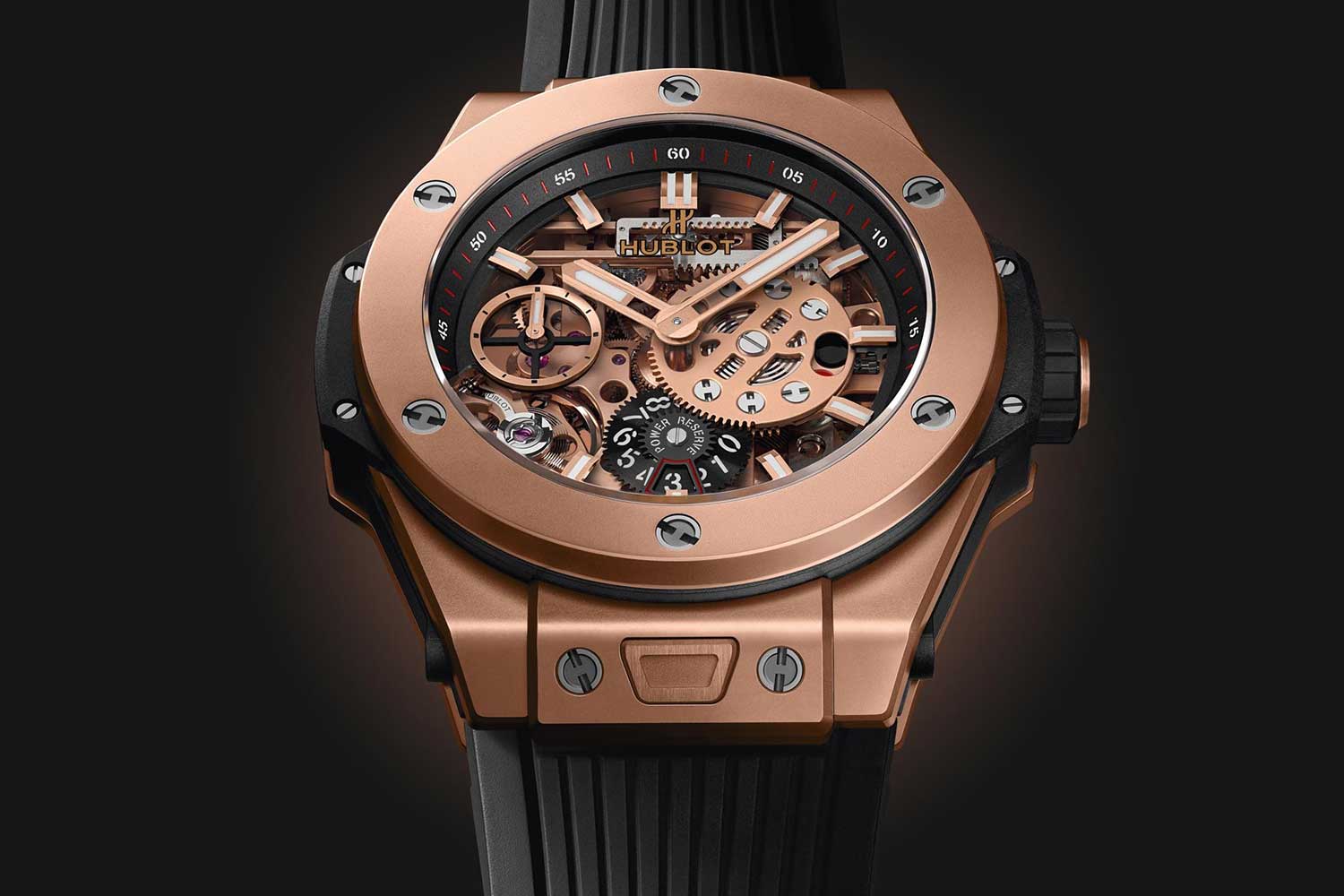
Hublot Big Bang Meca-10 King Gold
-
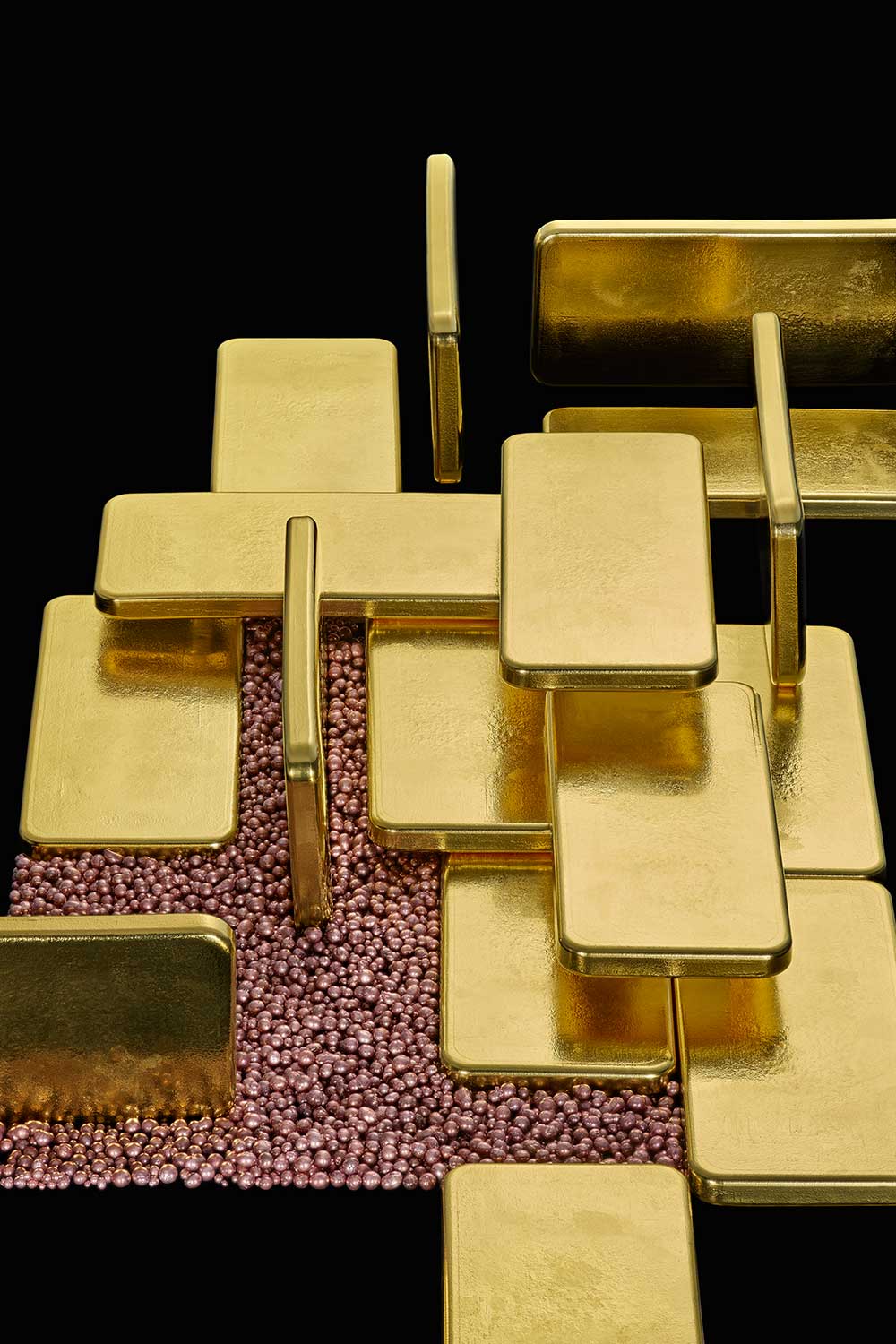
- King Gold is a blend of 75 percent 18K gold, along with 24 percent copper and 0.4 percent platinum
-
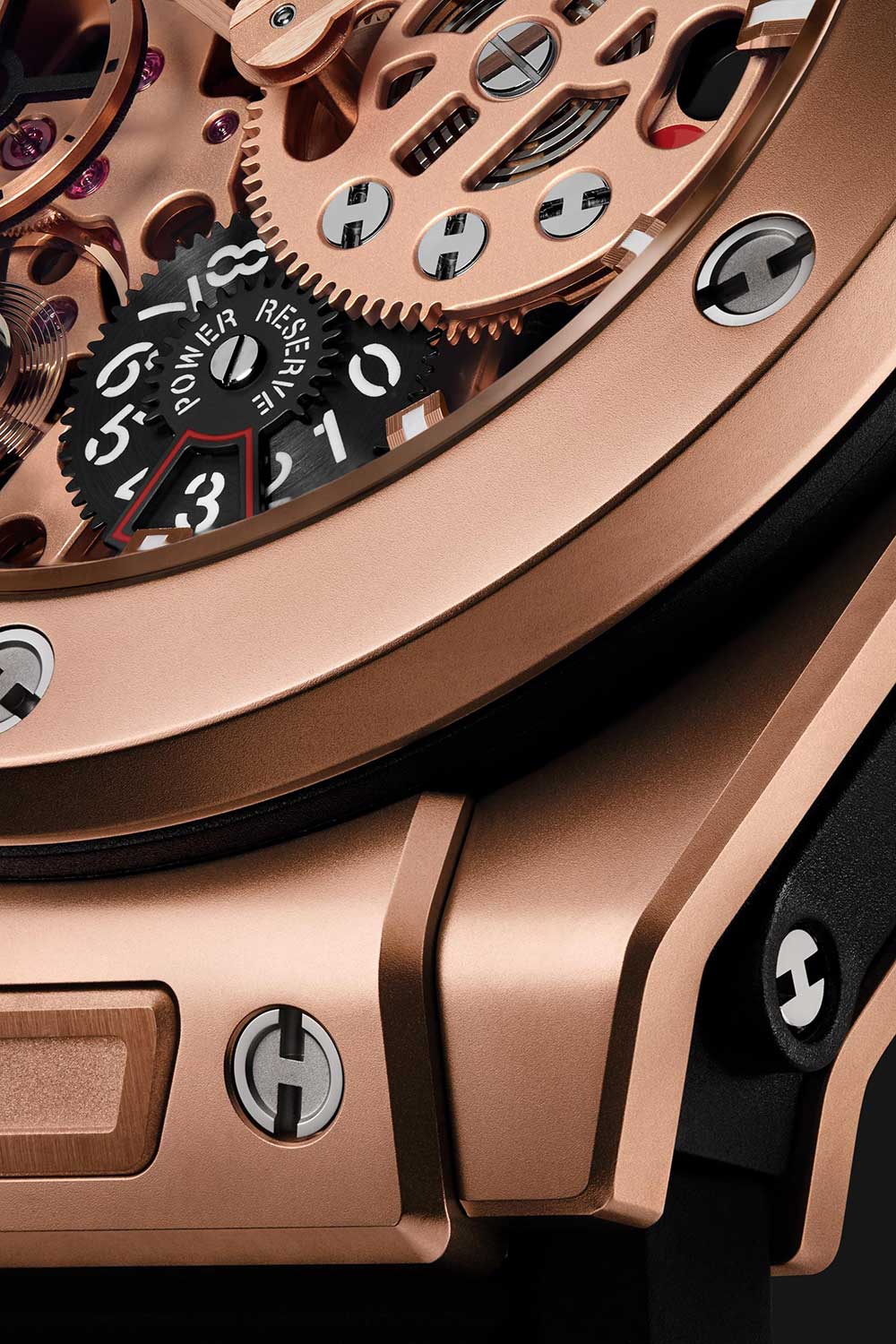
- Close up on a King Gold case
With Magic Gold and King Gold, Hublot demonstrates its visionary approach to material innovation, where performance, quality and desirability are the top three priorities — although the manufacture’s expertise in this respect certainly extends far beyond metals.
Groundbreaking Ceramics
Ultra tough, lightweight and completely scratch resistant, ceramic is one of the most popular materials in contemporary high watchmaking today. This avant-garde material has come a long way since its introduction to horology in the 1980s thanks to a very small group of brands including Hublot, which had been one of the most significant driving forces in this field. Among the earliest adopters of this material in its watches, Hublot very quickly saw the true potential of ceramic, embracing its performance-driven qualities but also appreciating the beauty of its unique sheen and texture.
-
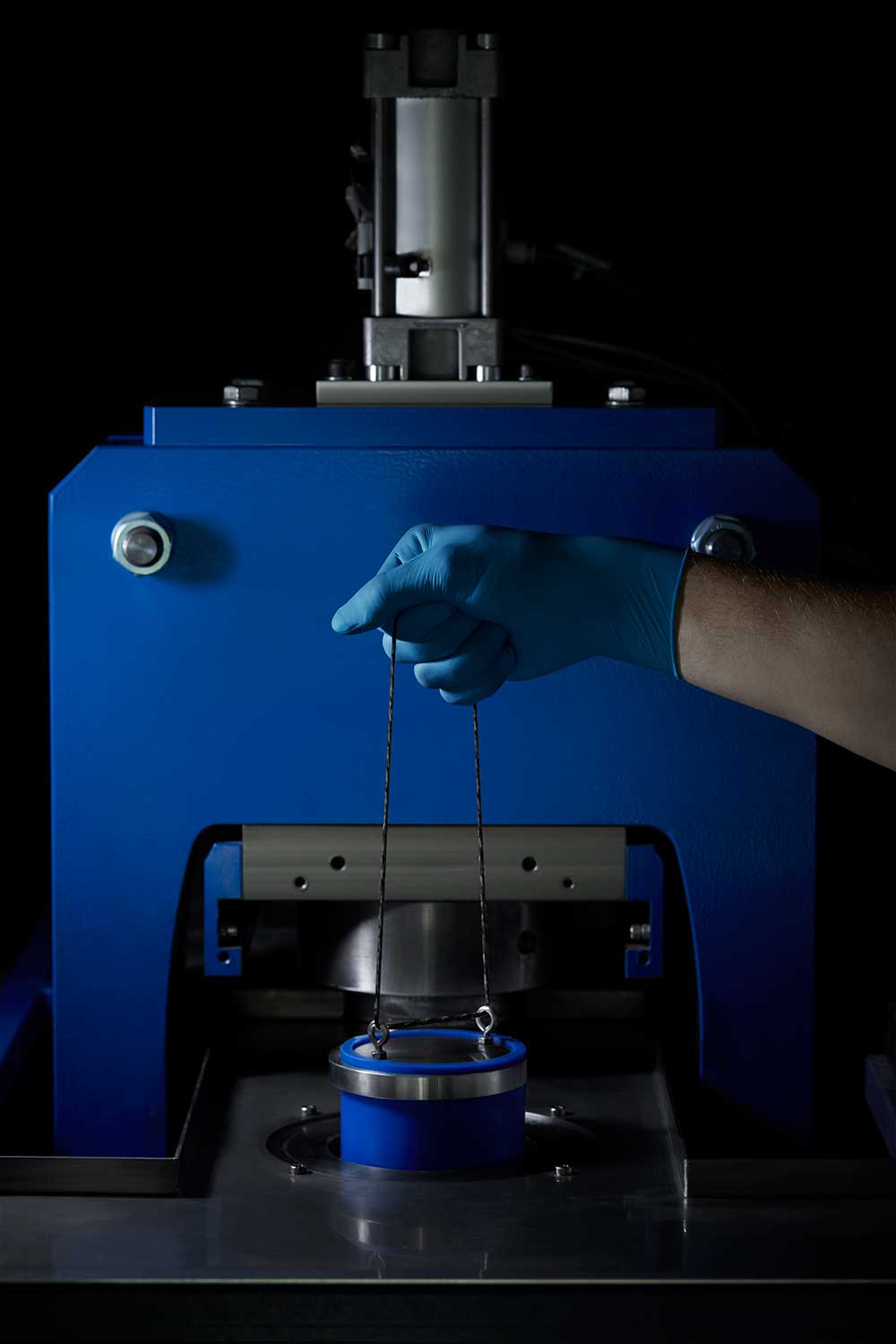
- Compressing the ceramic powder
-
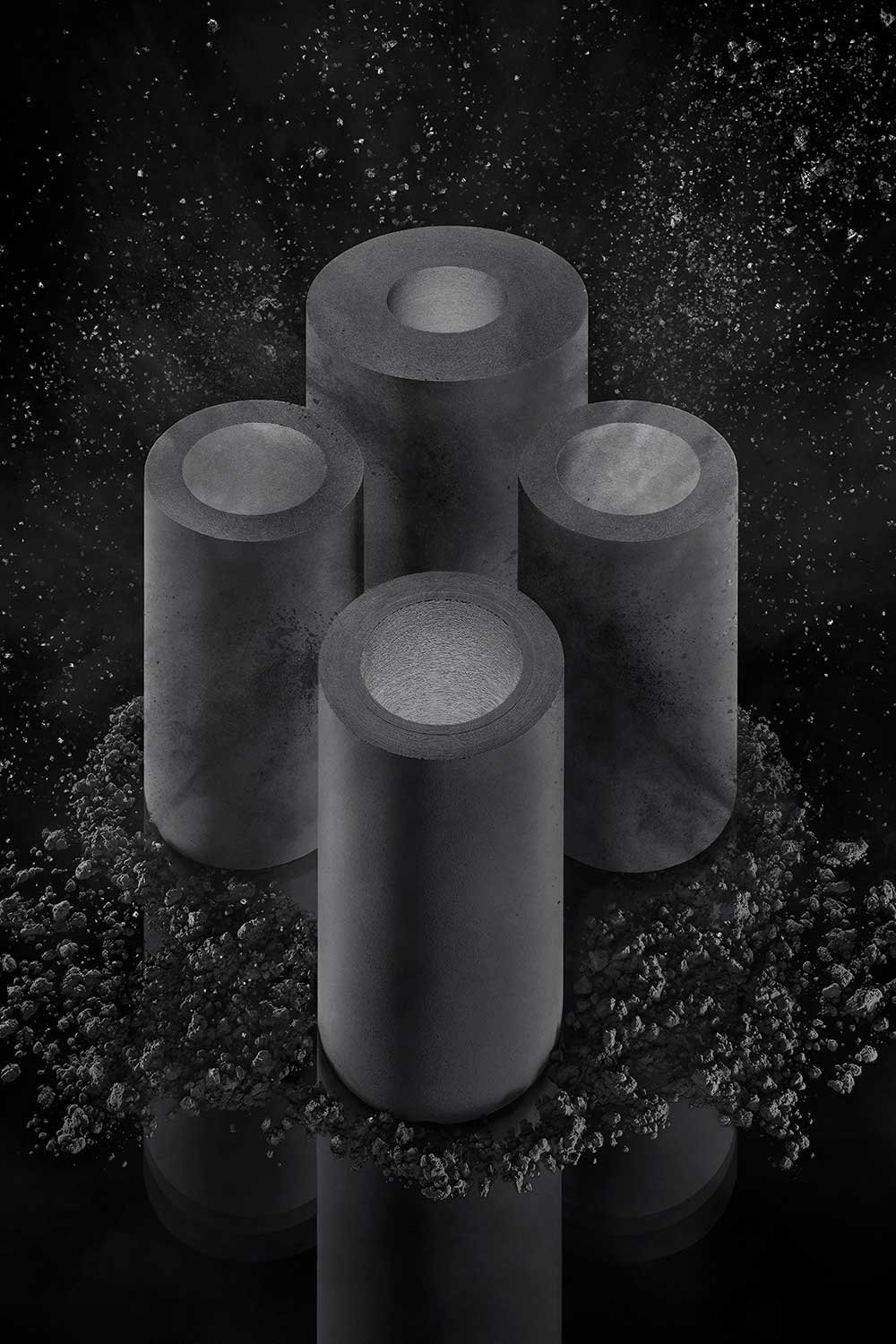
- Ceramic
Notably, the Big Bang Black Magic utilized the unique qualities of ceramic while emphasizing its sleek, modern aesthetic. The problem, however, was that ceramic technology during the mid-2000s limited all available options to either black or white, delivered with either matte or polished finishes only. This led the manufacture to contemplate its next phase of material innovation: colored ceramic. In the process, Hublot dramatically expanded the possibilities of ceramic technology in watchmaking, transforming it from a niche material into a cornerstone of luxury timepieces.
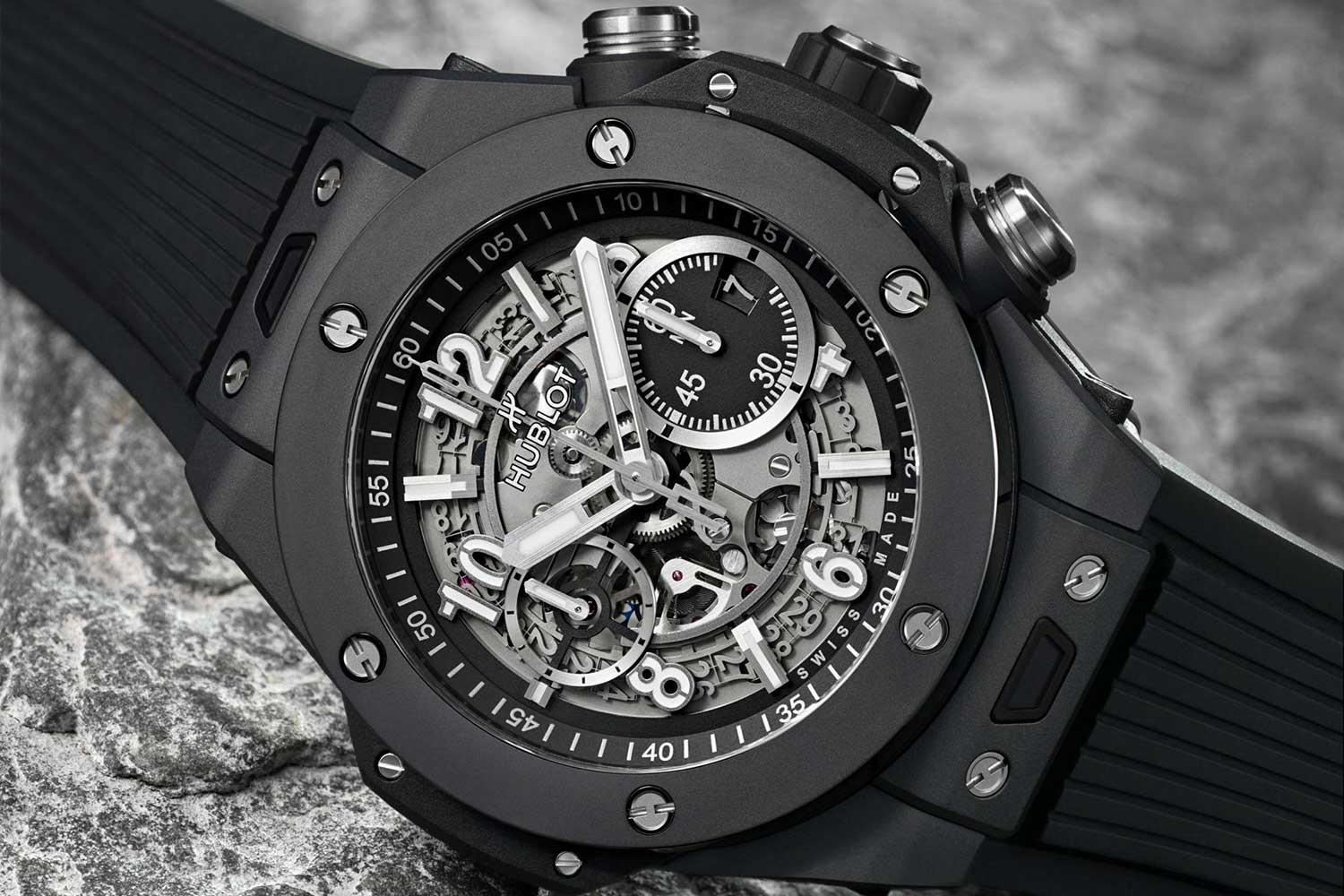
Hublot Big Bang Unico Black Magic
It wasn’t an easy path, but Hublot did it, and the results were nothing short of mind-blowing. There is a very practical reason why ceramic mainly existed in just black or white tones. High-tech ceramic cases and components are fabricated through a sintering process at high temperatures, which essentially bakes the material in order to harden and stabilize it, resulting in dull colors. To overcome this fundamental issue, Hublot created a patented process that prevents pigment degradation during the sintering process, thereby allowing for rich and stable colors. Once this was achieved, there was no limit as to what the manufacture could do with this material.
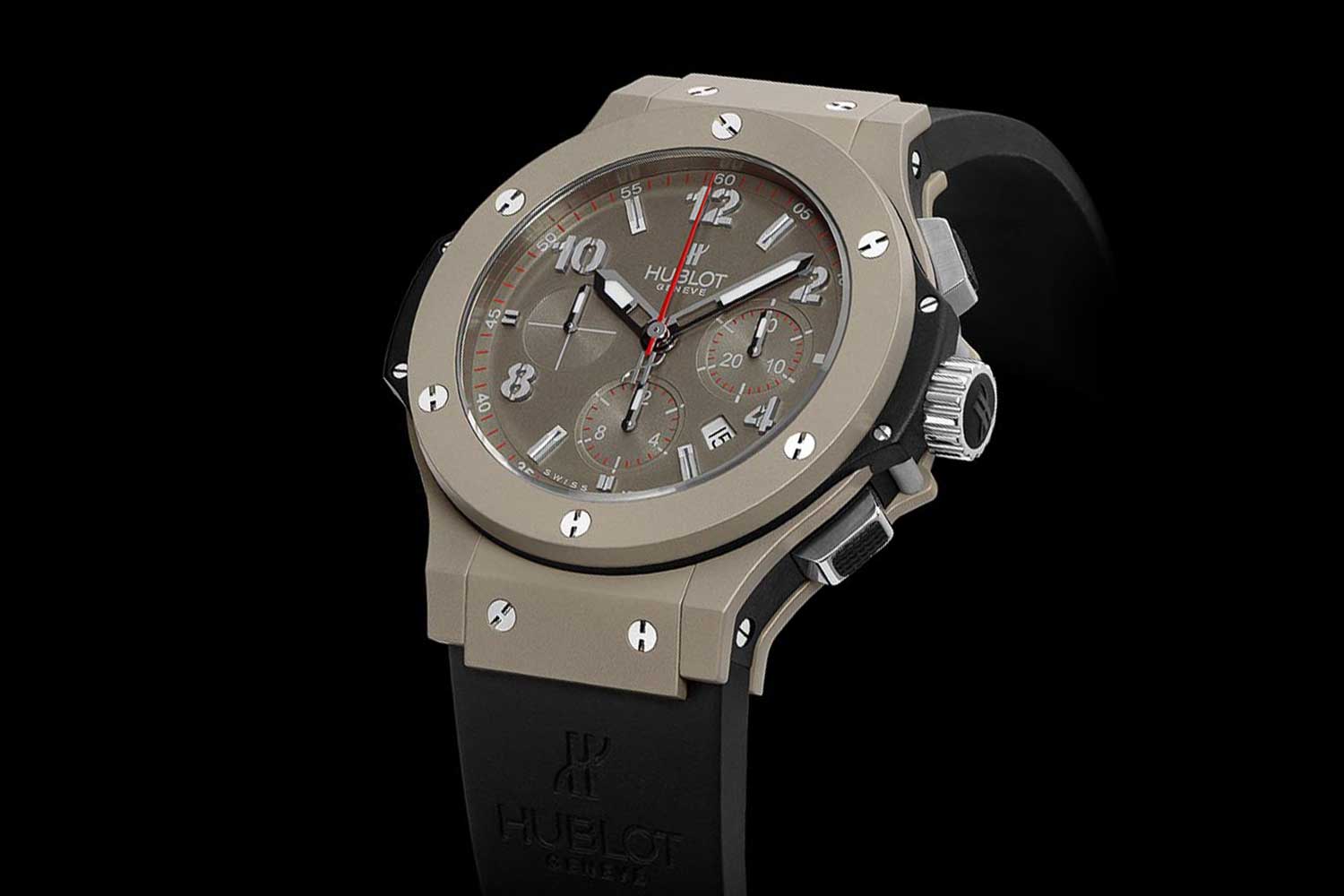
The first results came in 2018. Enter the Big Bang Unico Red Magic, a state-of-the-art timepiece with a vivid red ceramic case rated to a hardness of 1,500HV, surpassing the 1,200HV of conventional ceramics. This was a major breakthrough in the realm of haute horlogerie, for even among the known ceramic specialists of the time, no other manufacture had been able to achieve this degree of color brightness for red ceramic or indeed any other color of ceramic. Needless to say, the rest is history and Hublot today offers a vast range of colored ceramic timepieces.
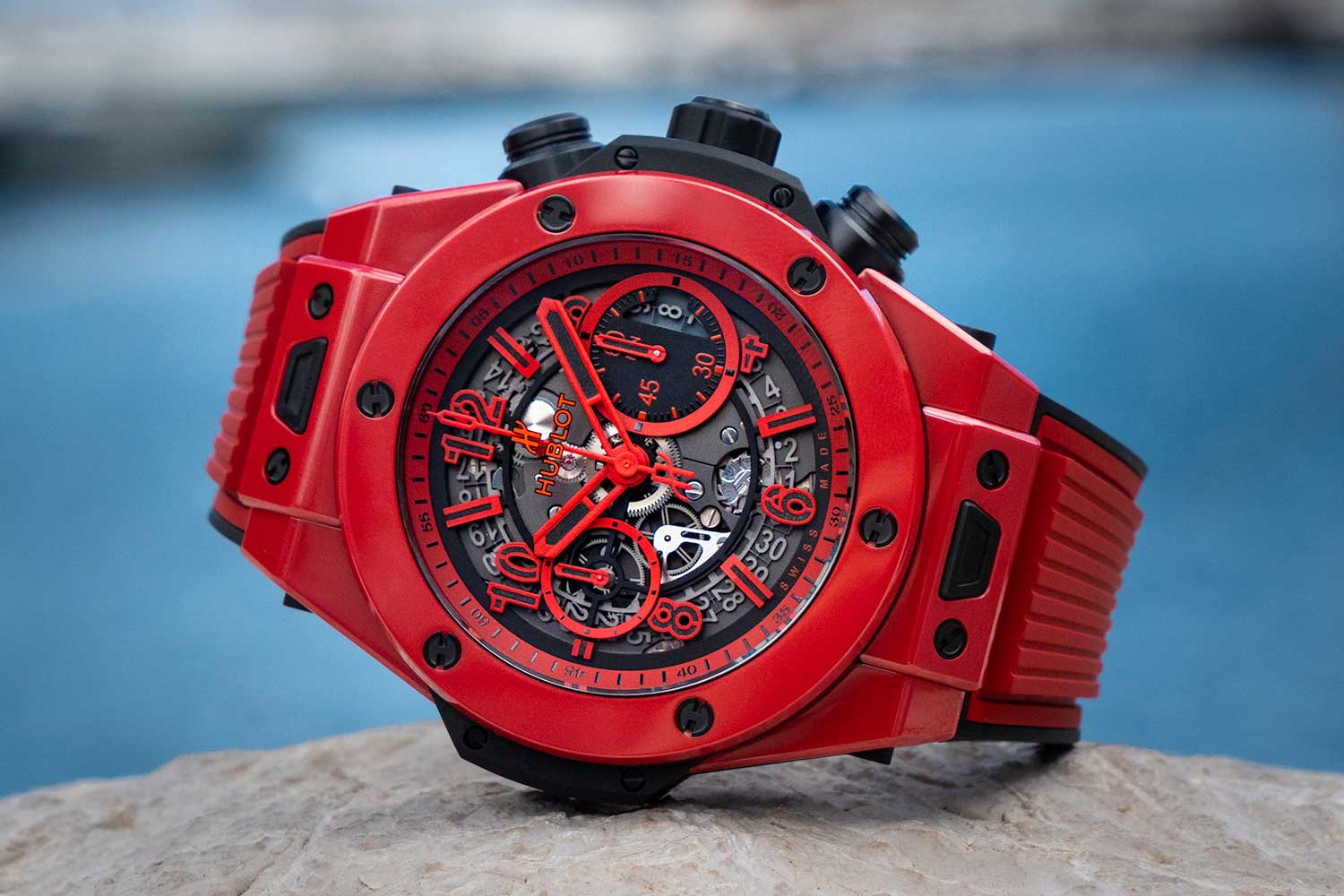
Hublot Big Bang Unico Red Magic, 2018
After red, the manufacture rapidly progressed onward to the other hot colors like yellow and orange, mastering multiple shades of blues, as well as greens, and also cool neutrals like beige, gray and khaki. Each specific color presents a unique set of challenges to the process, but clearly Hublot has them all in the pocket — and then some.
-
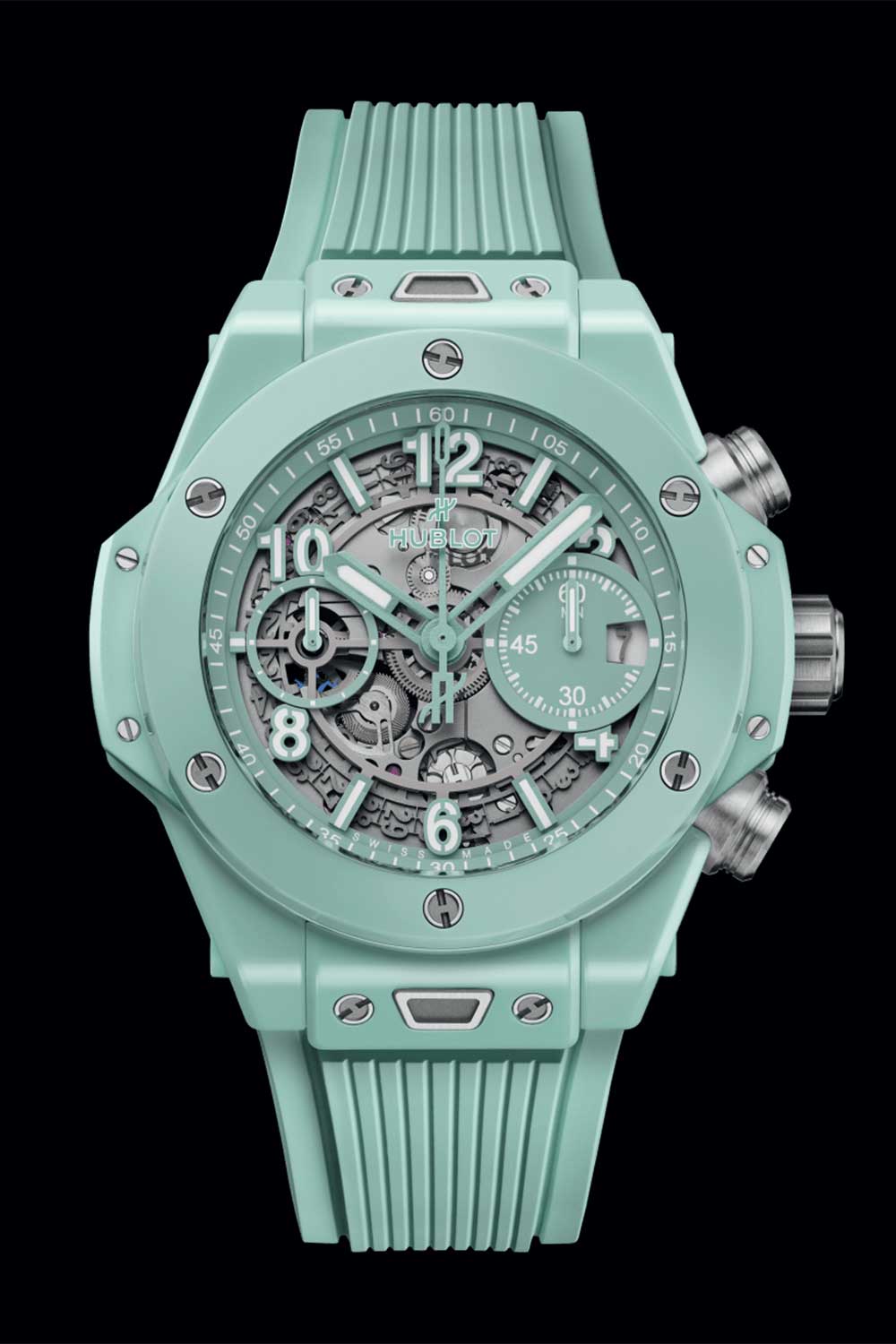
- Hublot Big Bang Unico Mint Green Ceramic
-
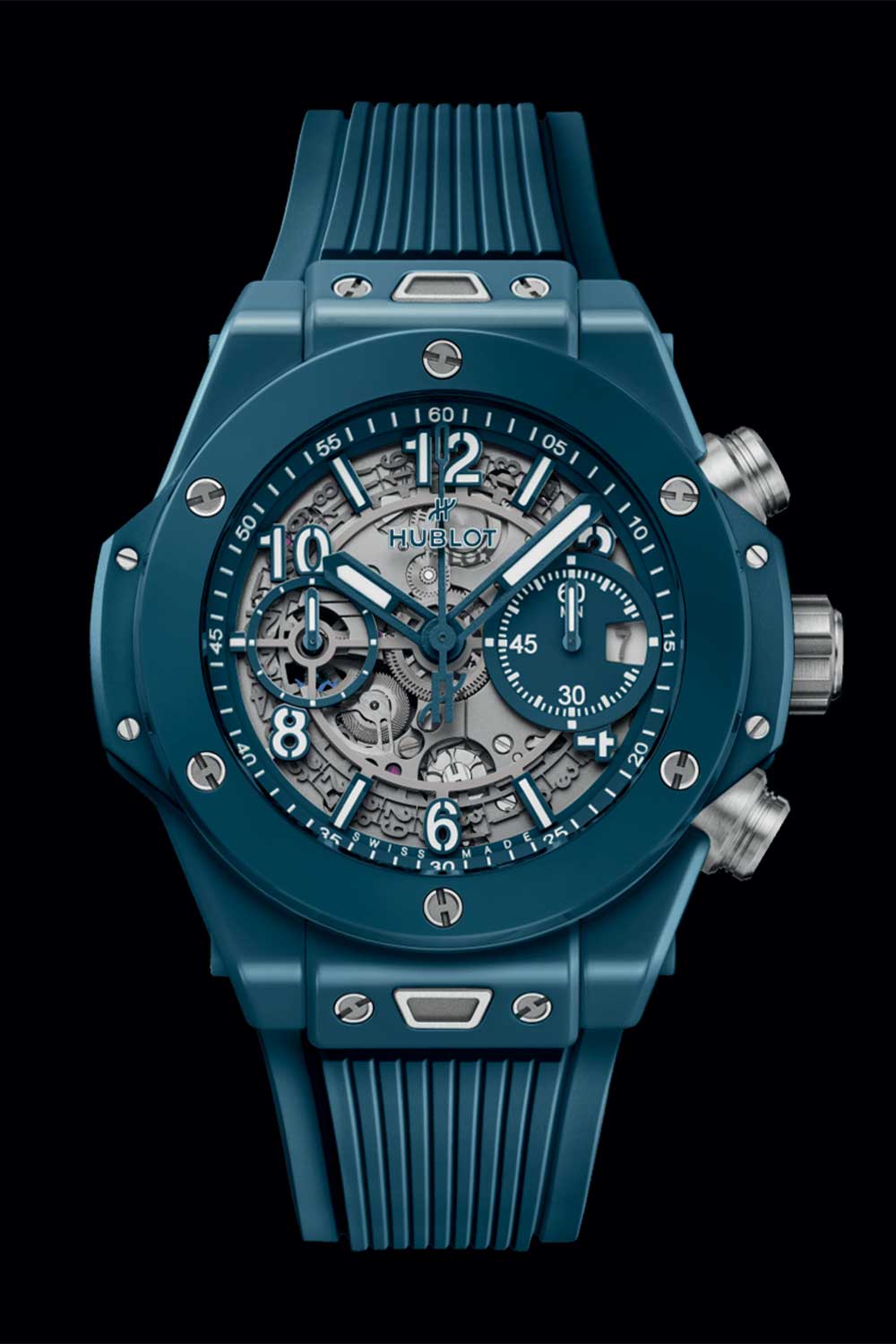
- Hublot Big Bang Unico Petrol Blue Ceramic
Among its latest exploits in ceramic innovation was the world’s first multicolored ceramic dubbed Magic Ceramic. This patent-pending material features a gray ceramic base with blue circles arranged in a seemingly random, organic pattern not unlike a work of modern art. Who else but Hublot could imagine that high-tech ceramic could ever manifest in this way? This is precisely the type of out-of-the-box thinking synonymous with Hublot and which the manufacture also applies to other material categories.
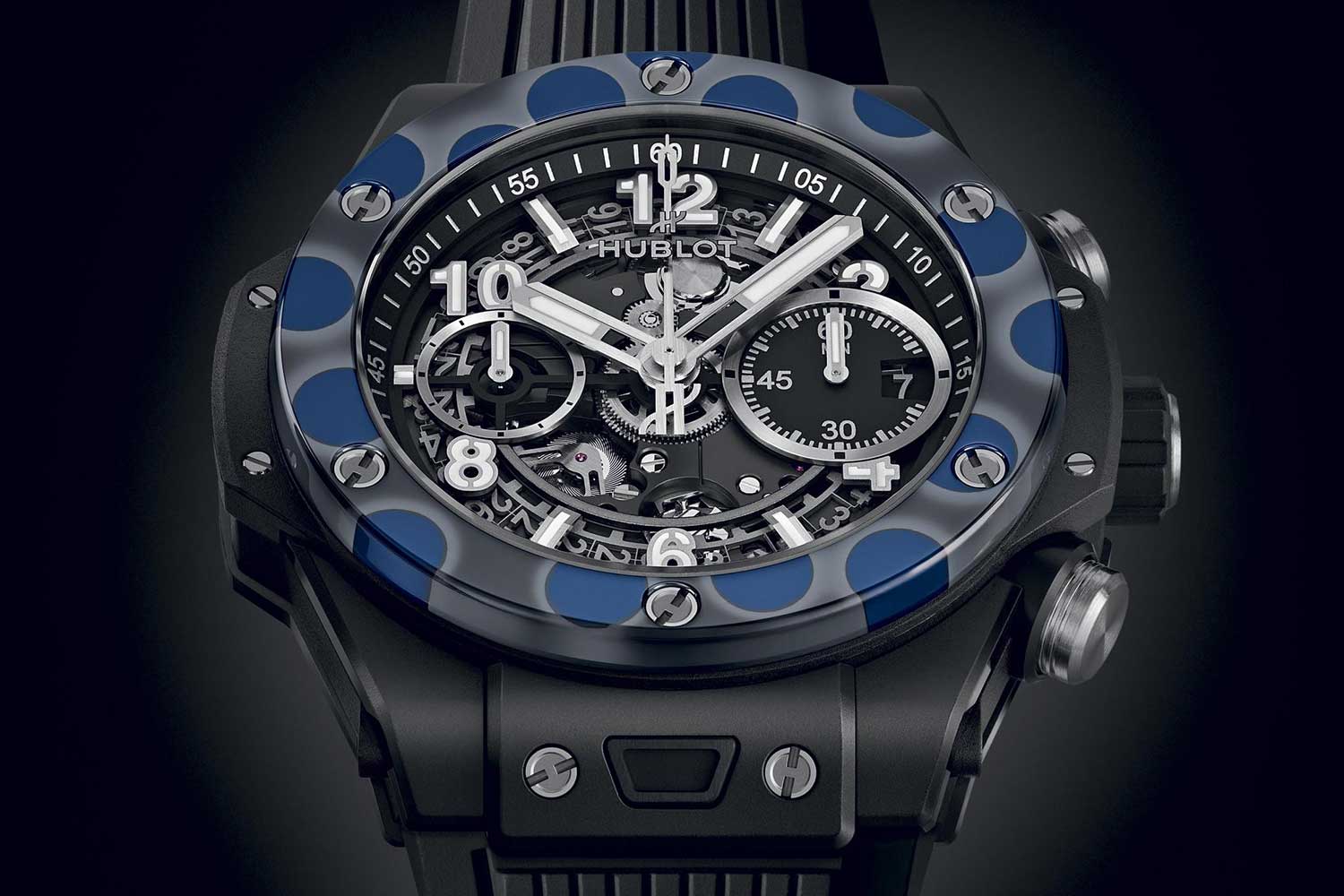
Hublot Big Bang Unico Magic Ceramic
Conquering Carbon
Due to their lightweight, strong and aesthetically unique qualities, carbon composites offer a significant advantage over traditional materials like stainless steel and are obviously highly appealing to avant-garde watchmakers like Hublot. Providing both functional and design advantages, carbon composites are predominantly black with striations or markings embedded throughout the material, visible as a result of the manufacturing process. Carbon fiber composites are made by combining sheets of carbon fiber with a polymer matrix, typically epoxy, resin or some form of thermoplastic.
These sheets are manually laid into molds in a specific orientation and then cured by applying heat and pressure. Once hardened, the carbon composite is allowed to cool before being trimmed, machined and finished. This is the point where aesthetic treatments like frosting, color infusion or gold inlays come in. Watchmakers achieve different designs in carbon composites by experimenting with the orientation of the carbon fiber sheets, type of weaves, size and shape of the sheets, as well as treatments and infusions applied to the end product.
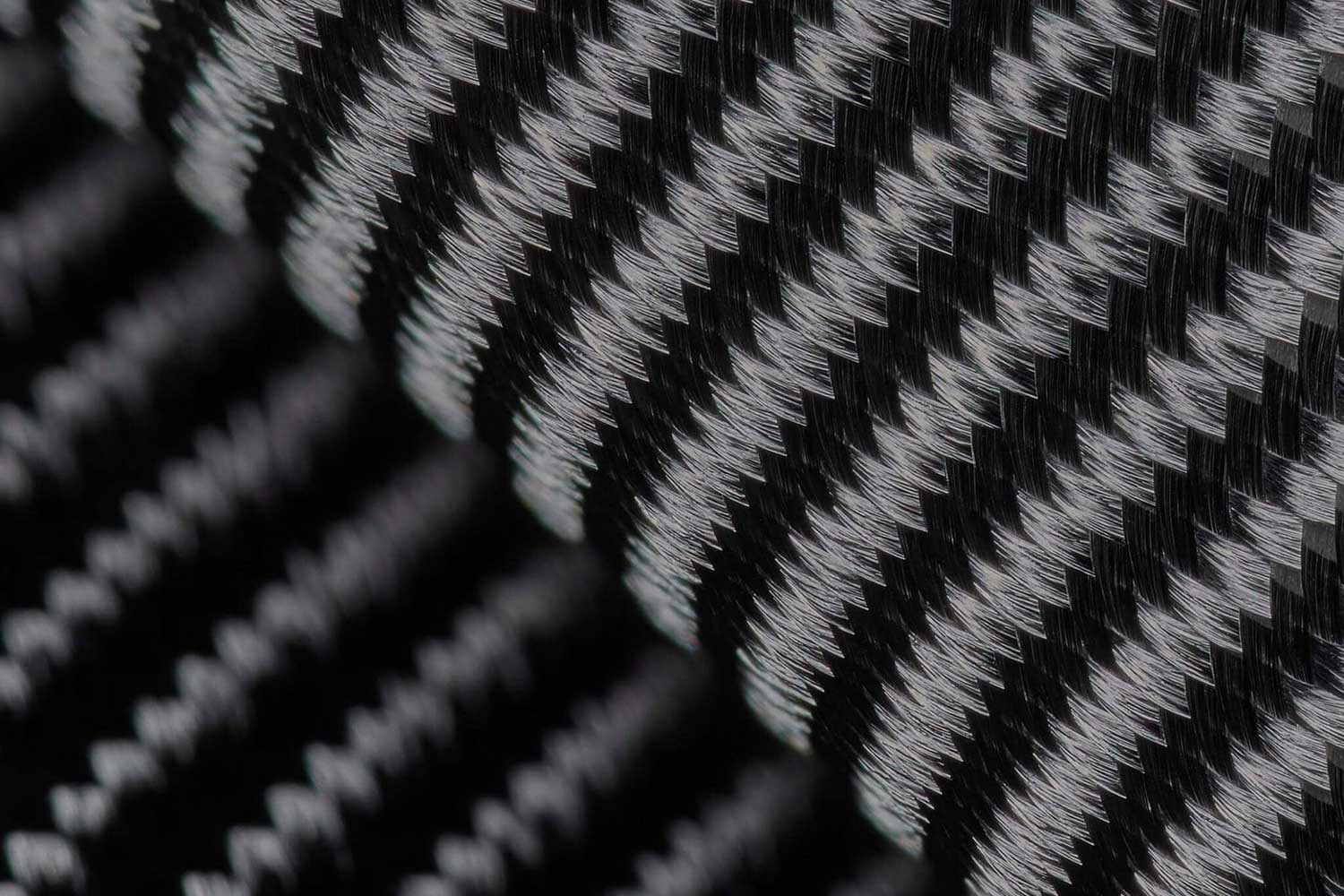
Carbon Fiber Sheets
Going far beyond the classic plain-woven carbon fiber case which appeared in Hublot’s watches as early as in 2005, the manufacture has amassed an impressive repertoire of carbon composite references throughout the years, several of which are completely unprecedented in luxury watchmaking. Utilizing colored carbon in a plethora of hues, styles and forms, Hublot’s deft hand in manipulating this material opened up a world of new possibilities.
Colored carbon stands the brand far apart from the competition, enabling it to produce watches cased in carbon but laced with bolts of bright colors. There are two main methods to achieve this distinctive effect. Colored resin may be used instead of clear epoxy as seen with watches cased in “frosted” carbon like the Big Bang Unico Carbon White, Big Bang Unico Carbon Sky Blue or Spirit of Big Bang Ceramic Carbon Beige Camo. After curing and trimming, the surfaces are micro-textured using processes like abrasive blasting, chemical etching or laser treatment, roughening those surfaces to give it a frosted or crystallized appearance. In watches like the Spirit of Big Bang Carbon Gold Tiger, gold dust is added to create a mineral-like glow.
-
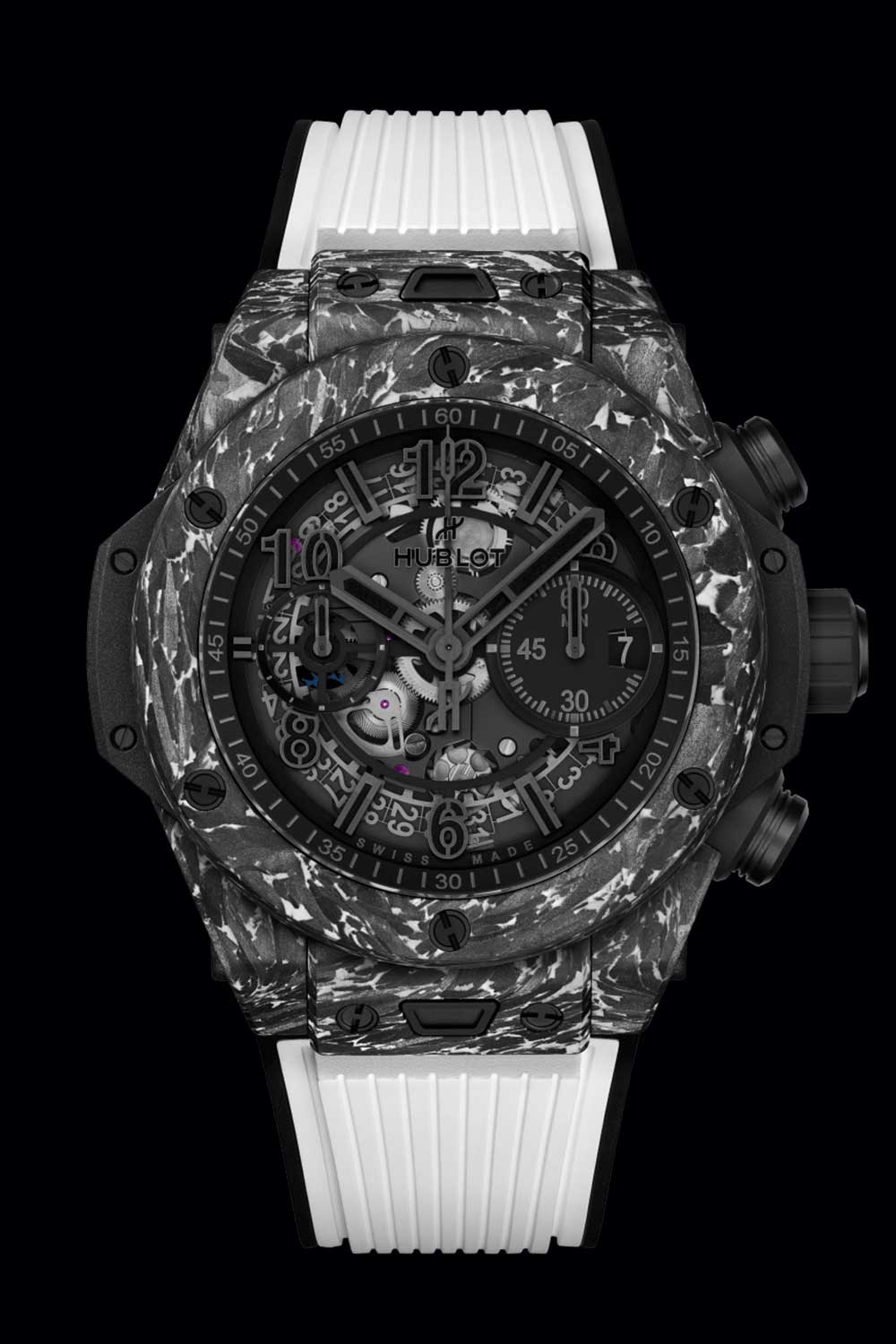
- Hublot Big Bang Unico Carbon White
-
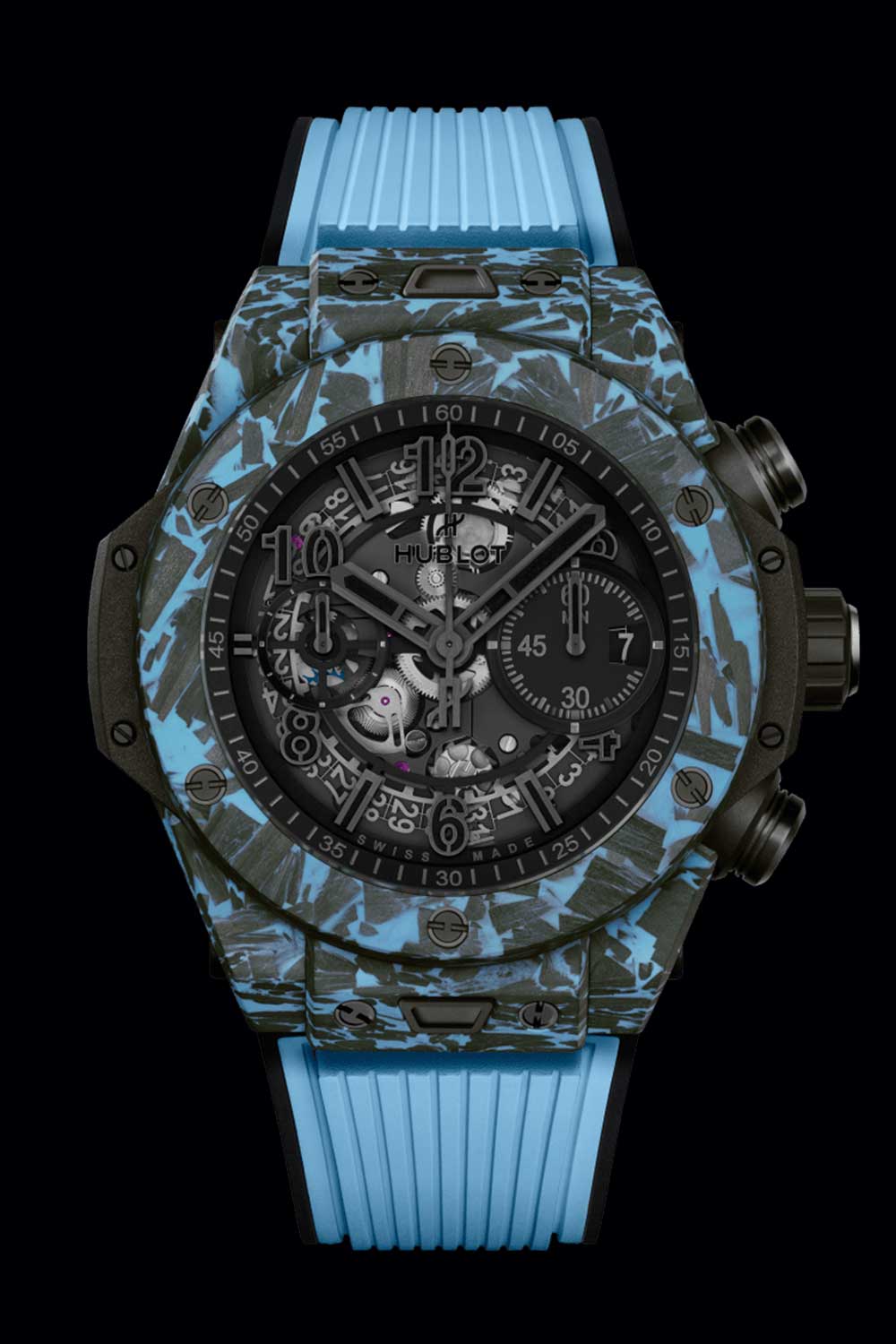
- Hublot Big Bang Unico Carbon Sky Blue
-
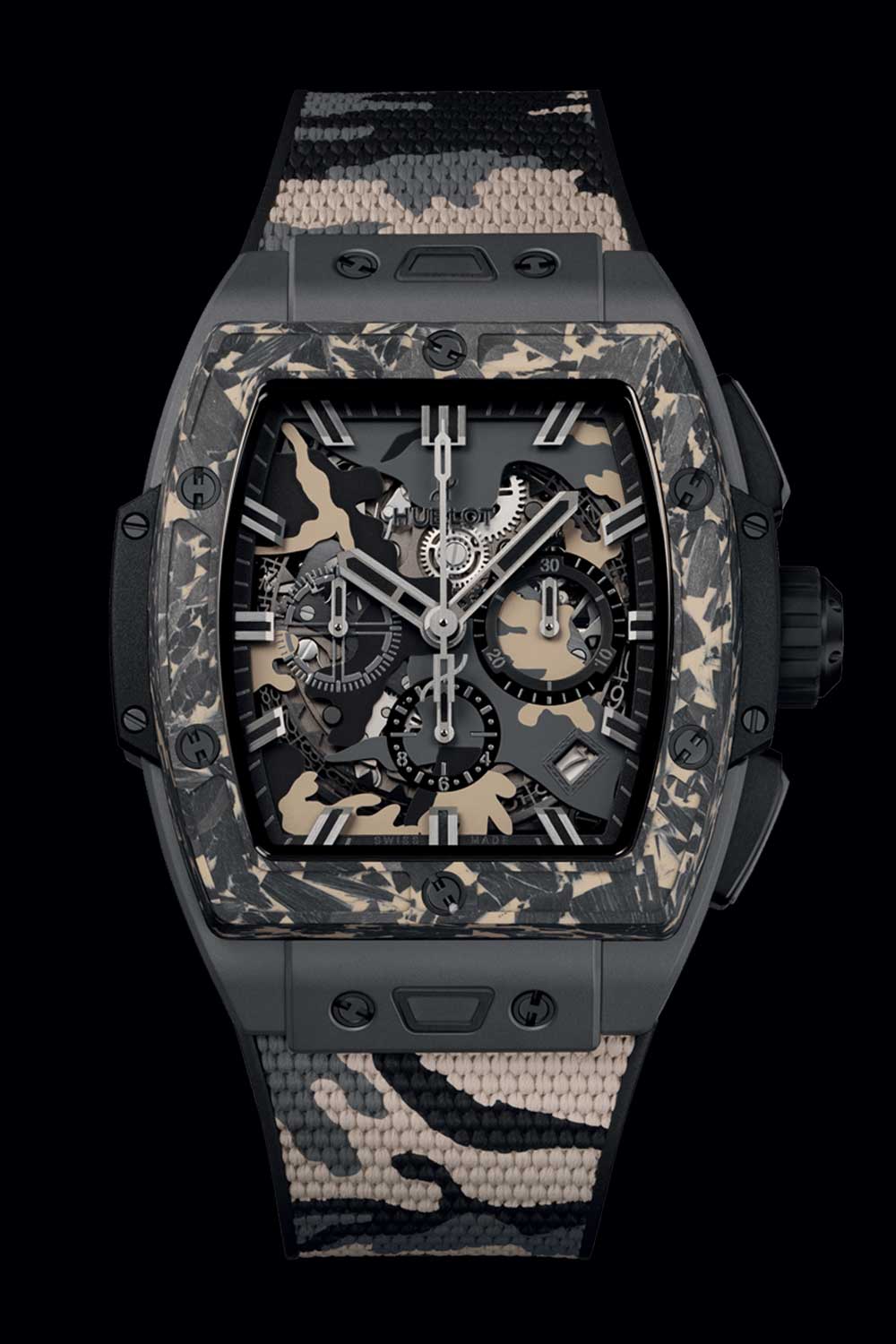
- Hublot Spirit of Big Bang Ceramic Carbon Beige Camo
-
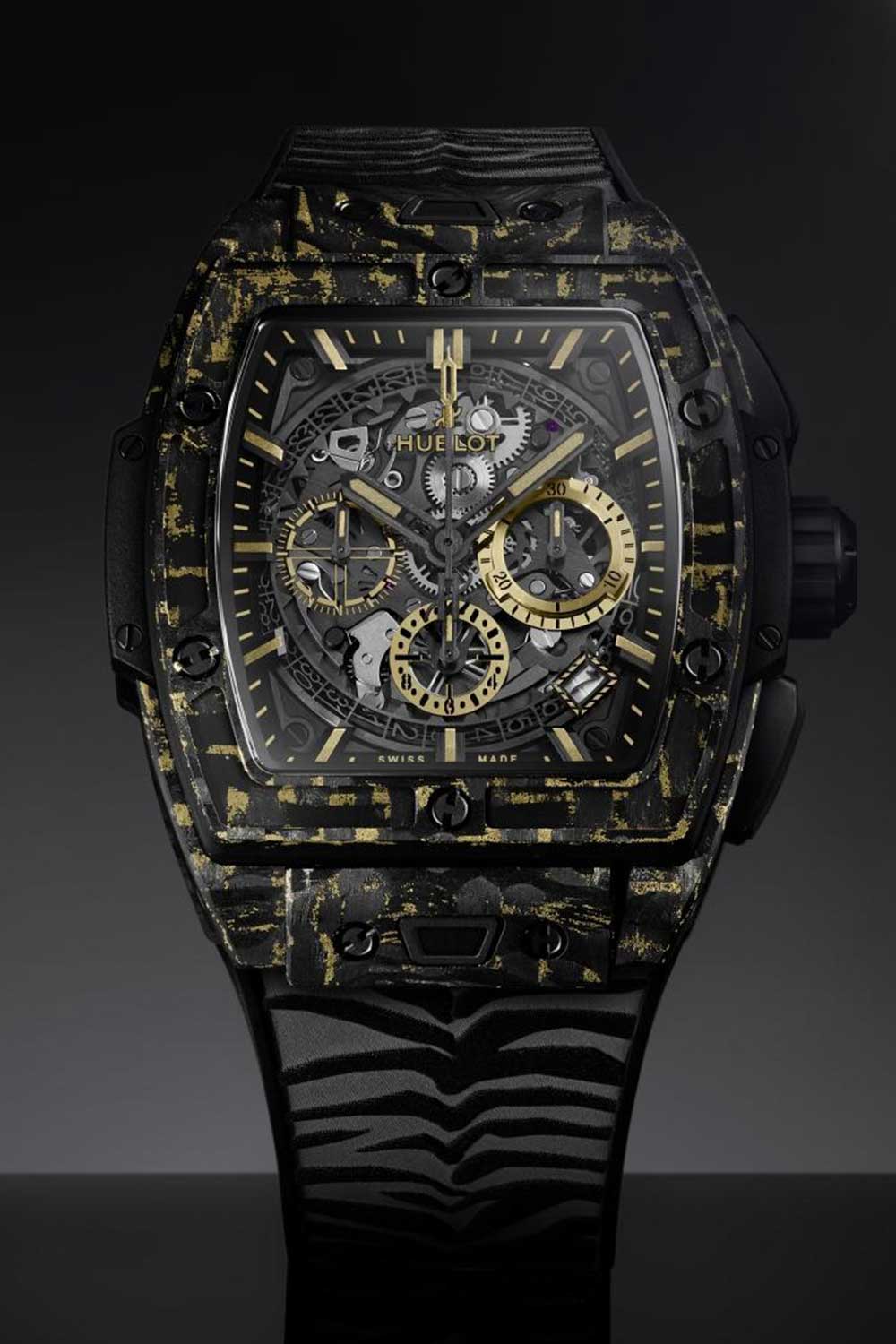
- Hublot Spirit of Big Bang Carbon Gold Tiger
Alternatively, the carbon fibers themselves may be infused with colors during manufacturing as seen with the MP-09 Tourbillon Bi-Axis in black 3D carbon in red, yellow, blue and green. Then there is Texalium, which looks similar to carbon fiber and yet is entirely different, deserving a special mention here for clearly demonstrating there are no limits with Hublot’s progressive approach to new material innovation.
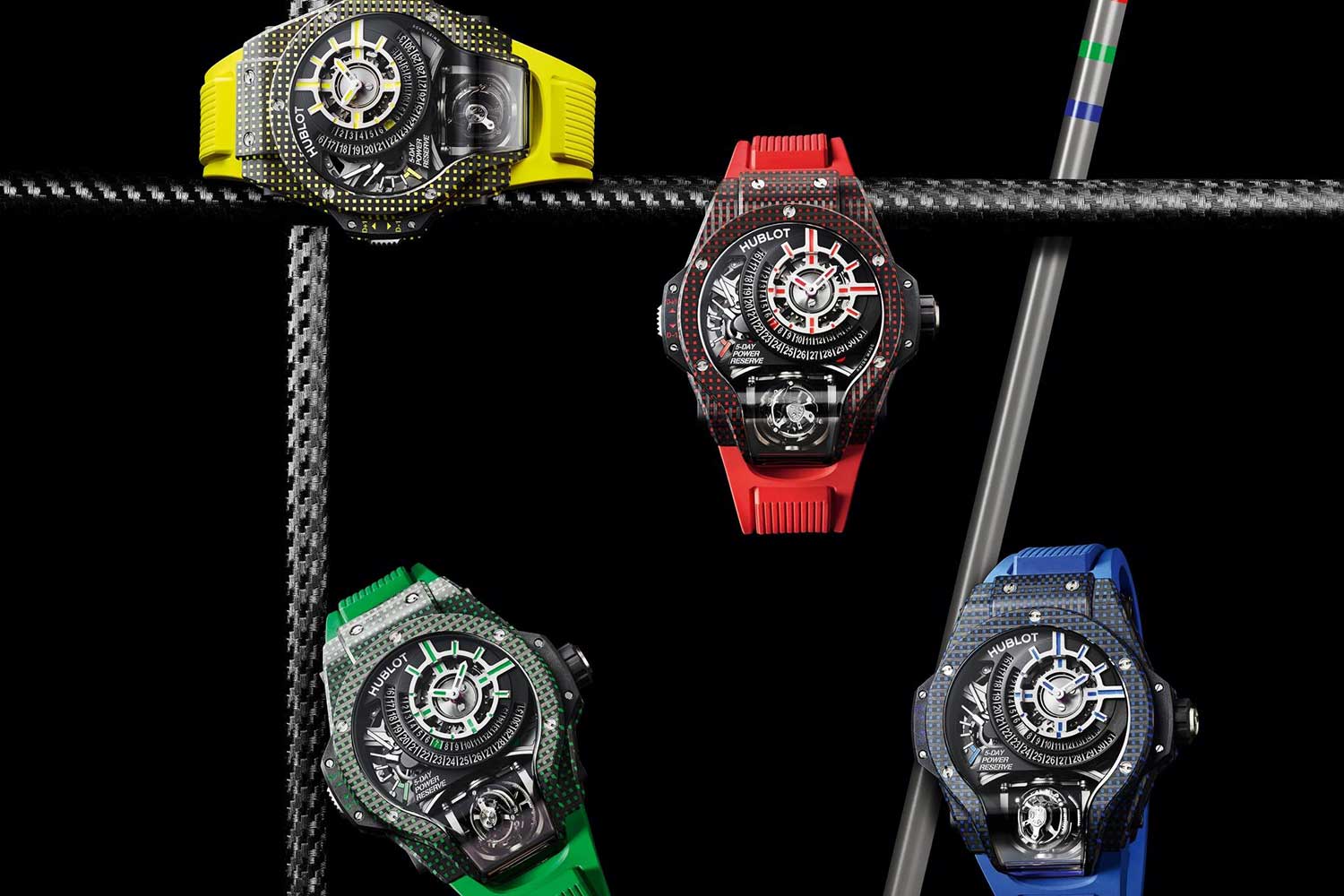
Hublot MP-09 Tourbillon Bi-Axis in black 3D carbon in Red, Yellow, Blue and Green
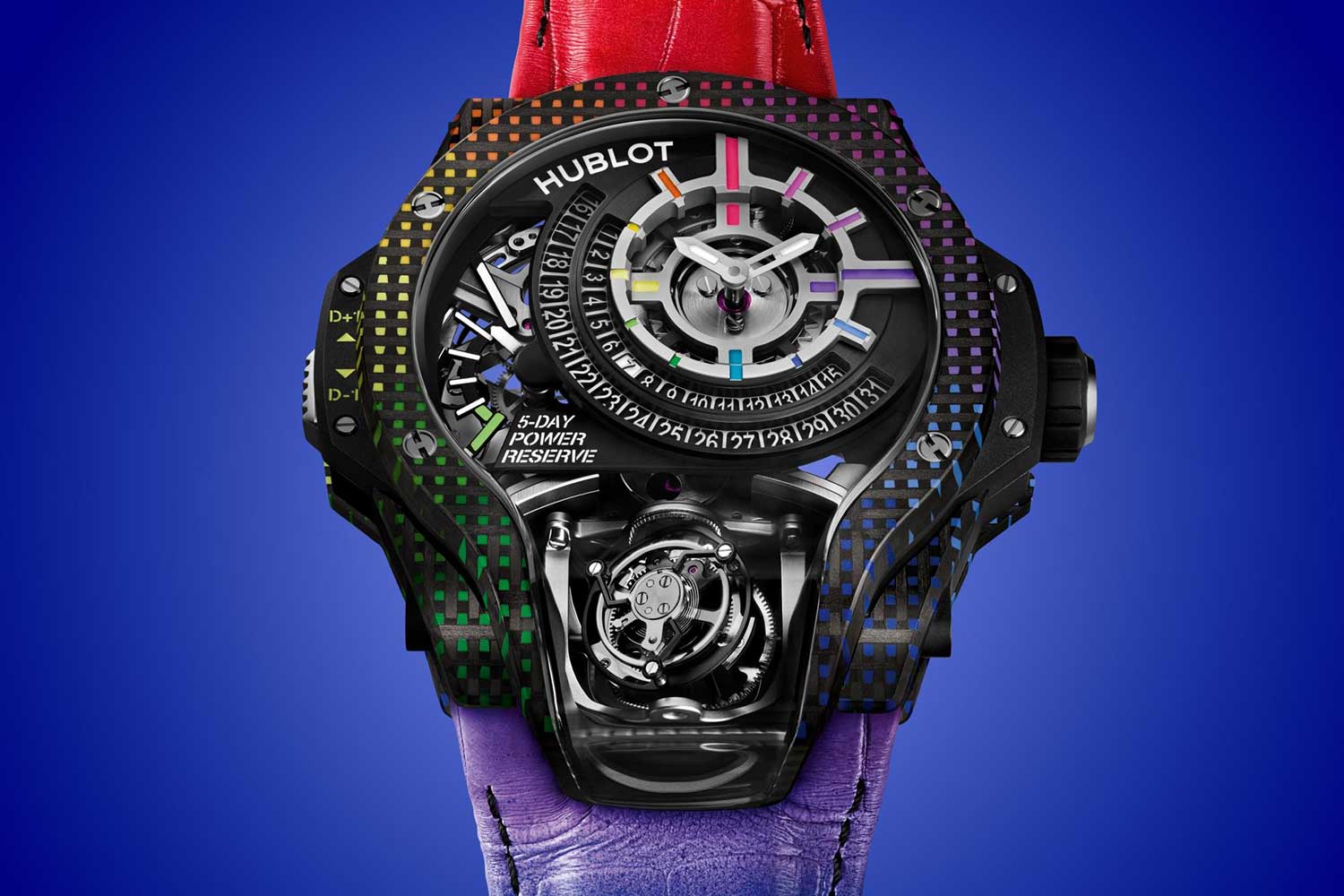
Hublot MP-09 Tourbillon Bi-Axis 5-Day Power Reserve
Sapphire Supremacy
For a humble material whose job is to protect the dial and yet remain complete unseen, sapphire crystal has remarkably become one of the most exciting case materials in 21st-century watchmaking. Once again, much of this credit should go to Hublot for adding its unique blend of color and character to this arena, which had remained predominantly flat and colorless for the better part of this century. Sensing immense potential in this material, the manufacture delved deep into the R&D processes, desiring to create sapphire crystal as none have ever imagined.
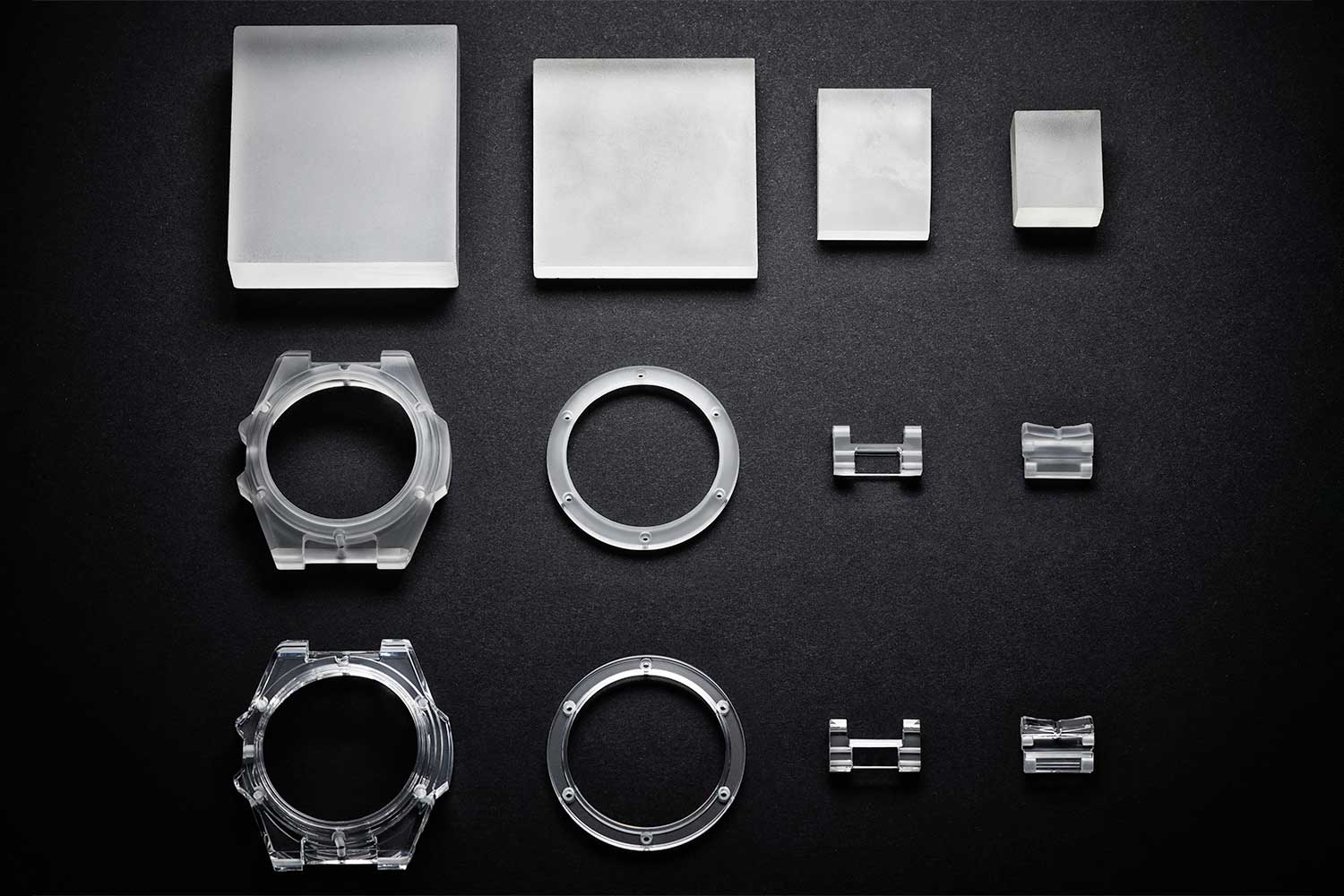
Hublot Sapphire Cases
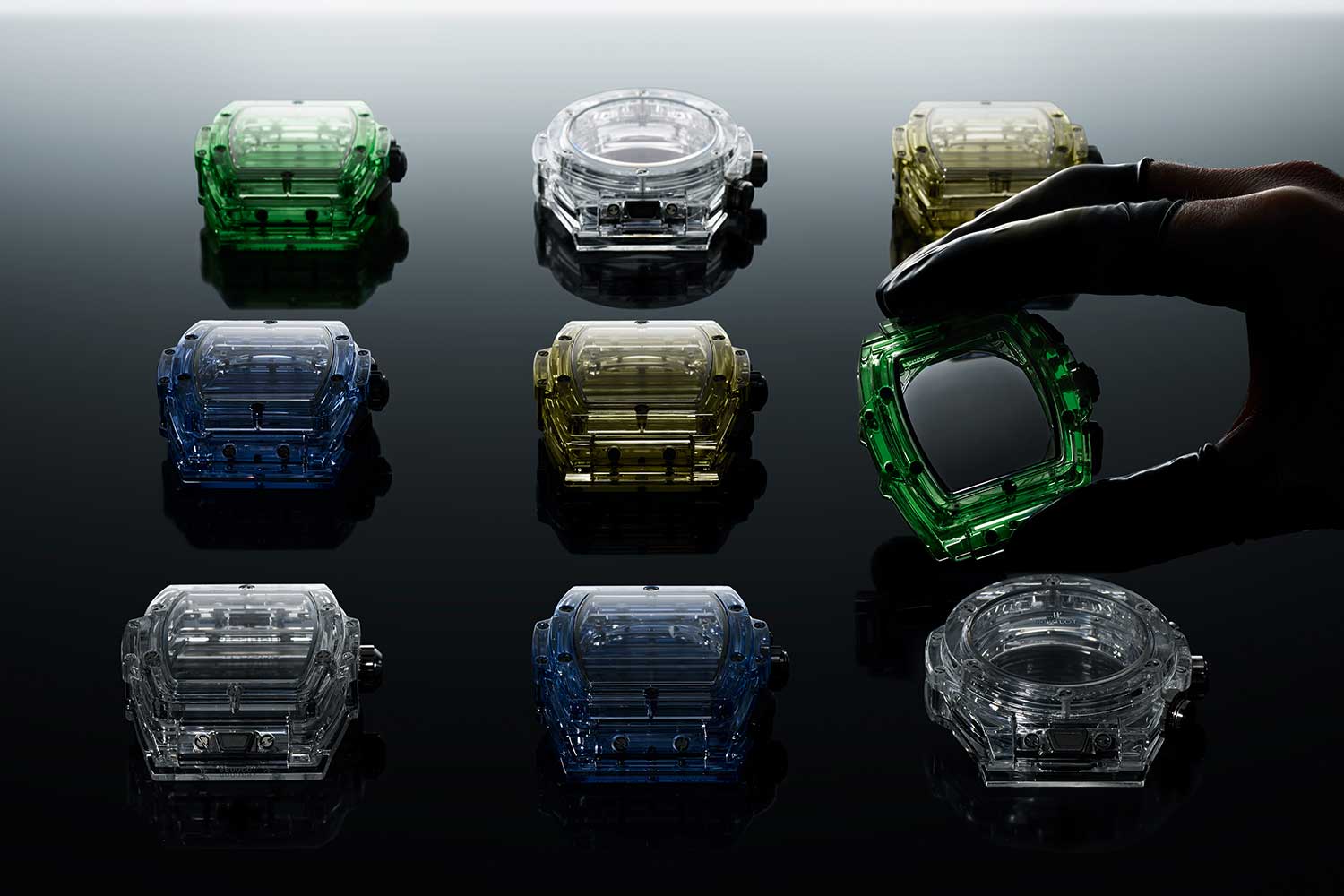
Hublot Sapphire Cases
Hublot manufactures its own sapphire crystal cases in partnership with a Swiss crystal specialist supplier. From the outset, the manufacture has gone all in, putting in all the necessary investment on techniques and technology to work with sapphire crystal, including the milling techniques. Without this level of commitment, it is unlikely that the brand could amass such an impressive portfolio of sapphire crystal references as it has right now. Since the first full sapphire crystal timepiece released in 2016, the Big Bang Unico Sapphire with case and bracelet made entirely in this material, Hublot counts more than 20 different references cased in sapphire crystal.
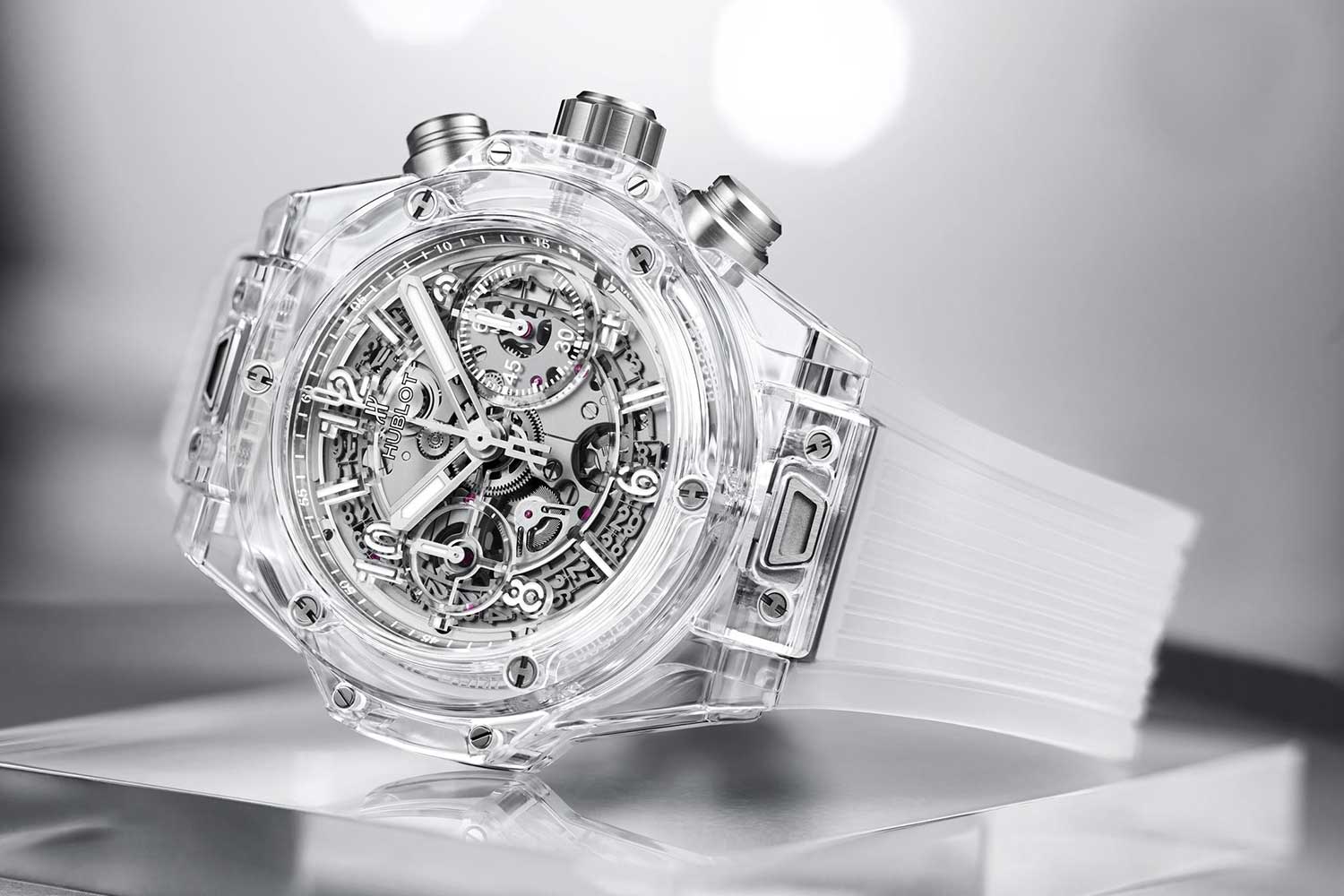
Hublot Big Bang Unico Sapphire
Hublot was the first manufacture to enable large-scale sapphire case production and, most notably, it was the most successful watch brand to vastly expand the color palette. After releasing the first colored sapphire crystal in 2017 in red and blue primary tones, Hublot never looked back. The first example was swiftly followed by sapphire crystals in all colors of the rainbow, even colors that were always thought impossible to achieve, such as purple, orange and green — all in bright candy-colored hues.
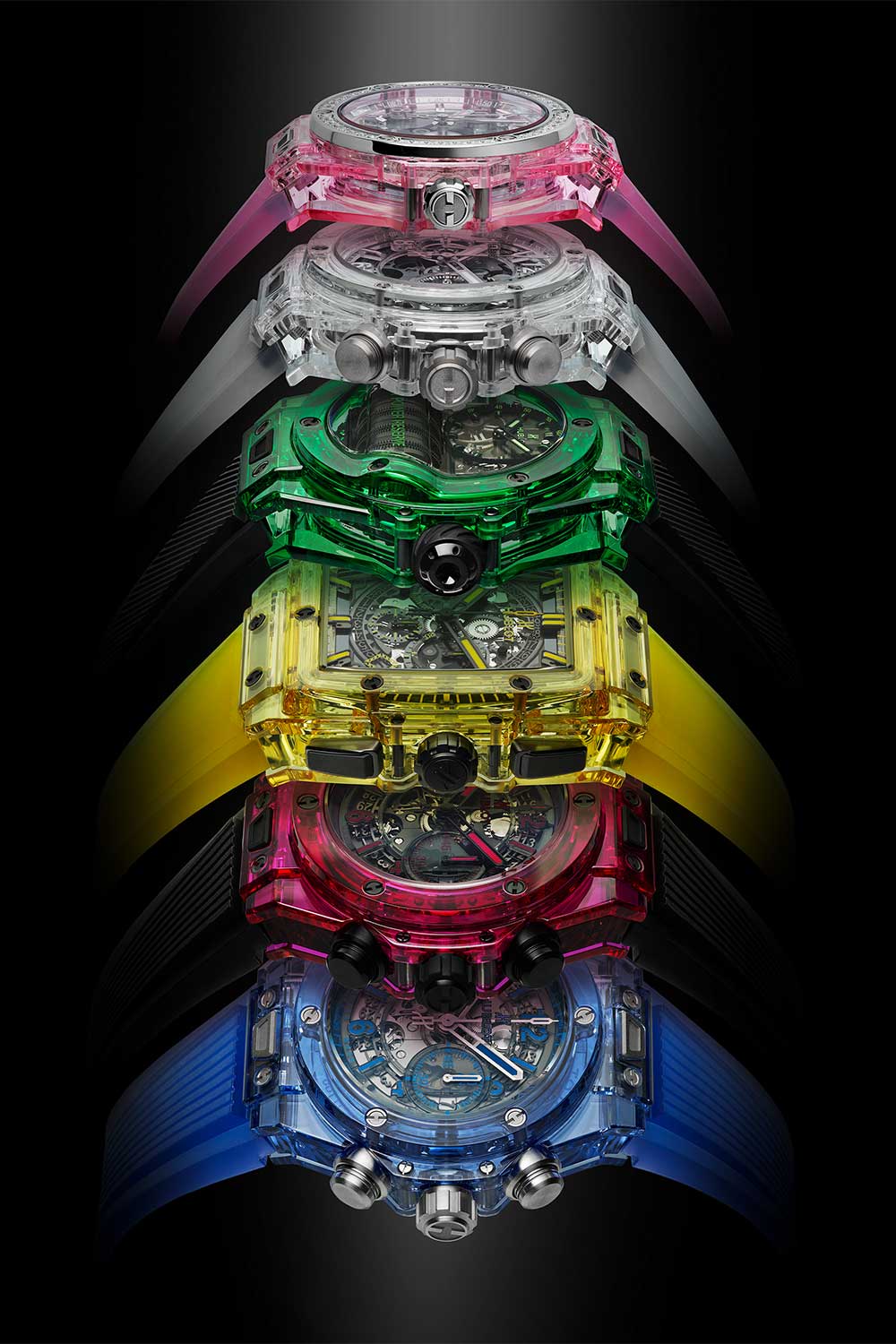
Hublot Sapphire Watches
Green sapphire, in particular, is a patented Hublot creation chemically different from classic sapphire crystal and known as SAXEM, where SAXEM stands for Sapphire Aluminum oXide and rare Earth Mineral. Hublot achieved this gorgeous radioactive green hue by combining aluminum oxide with rare earth elements like thulium, holmium and chromium. Indeed, Hublot is no stranger to bringing rare metals into watchmaking; in 2014 it created the Classic Fusion Tourbillon Firmament with an osmium crystal dial, marking the first instance this material has ever been used in a timepiece.
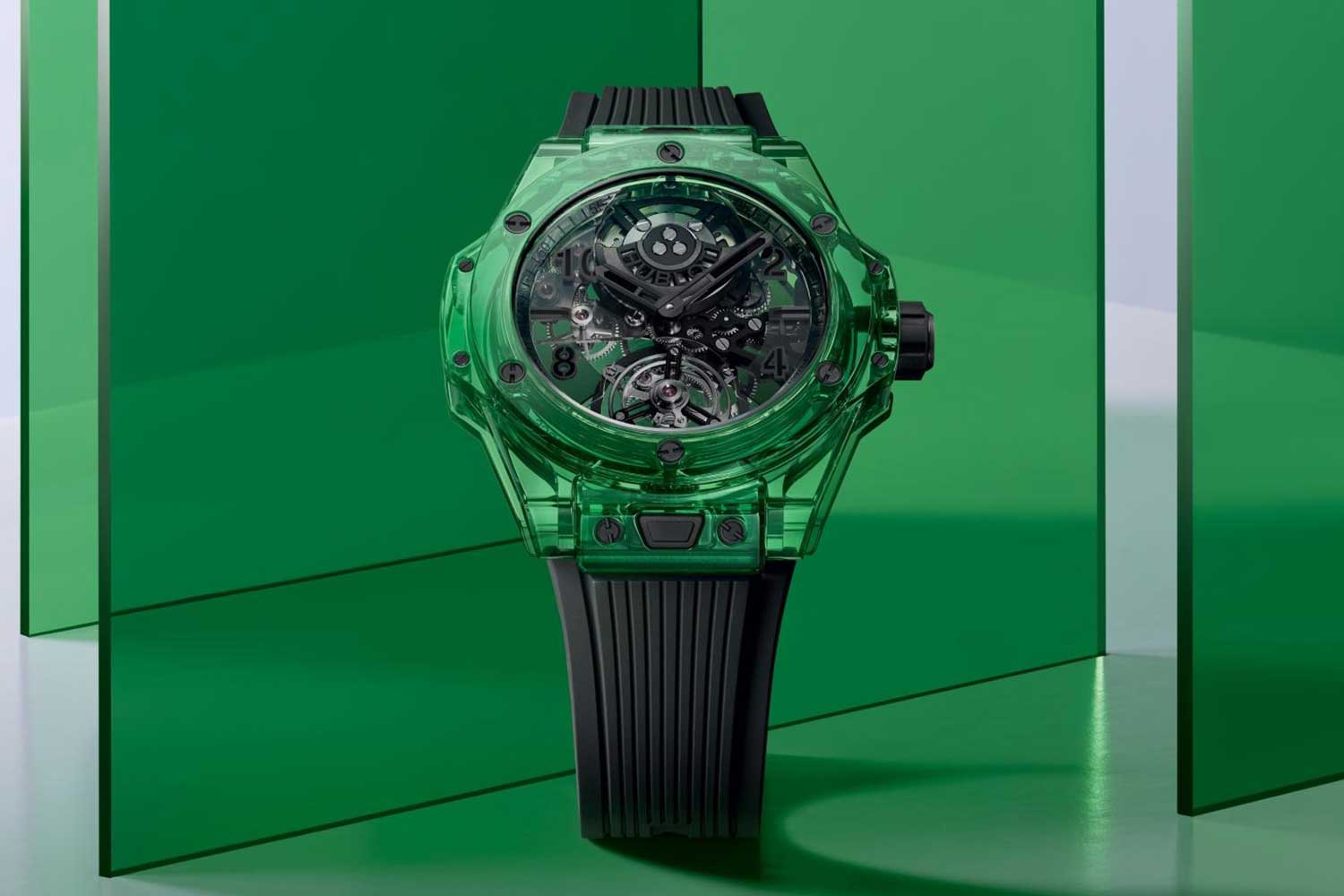
Hublot Big Bang Tourbillon Automatic Green SAXEM
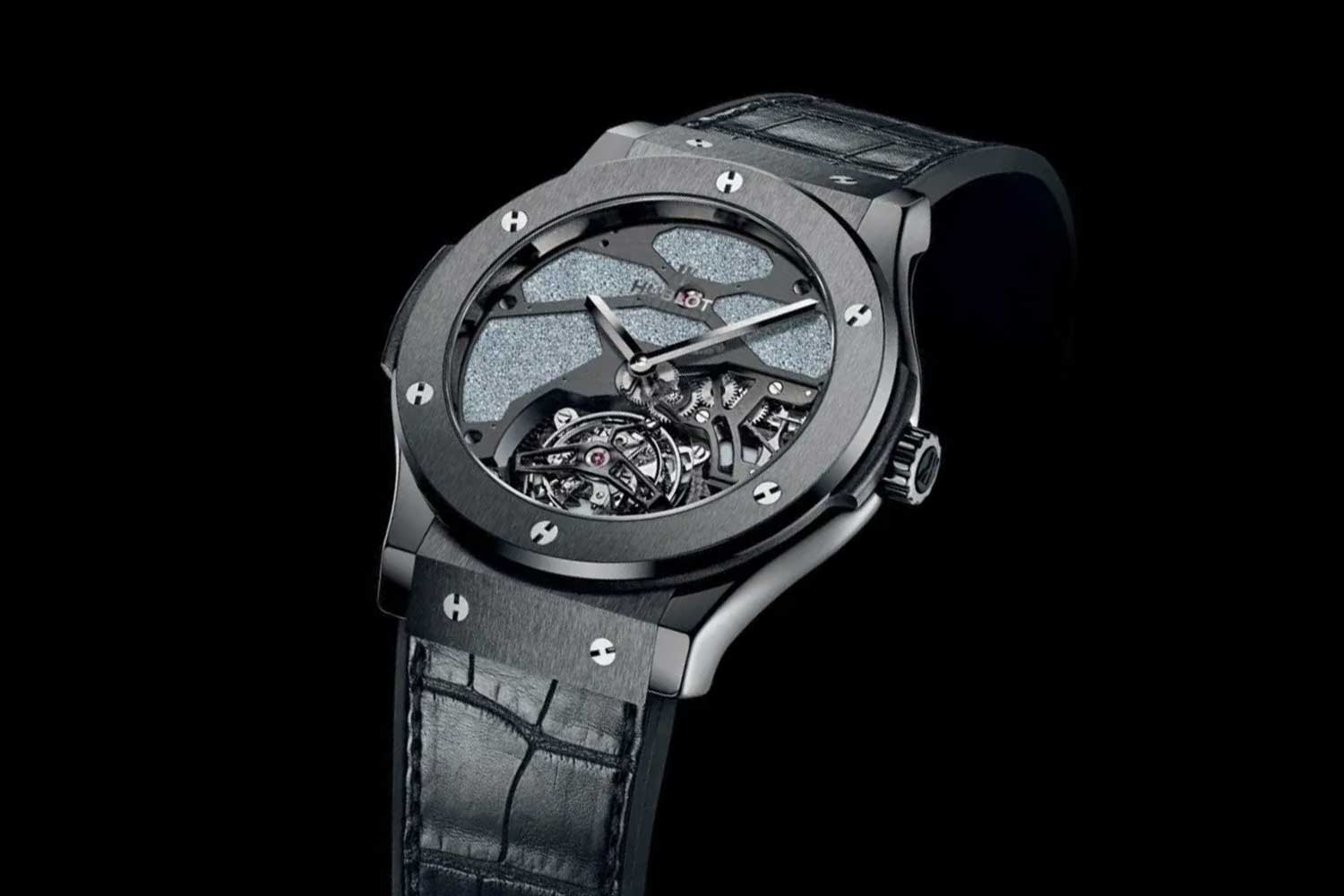
Hublot Classic Fusion Tourbillon Firmament, 2014
Future Frontiers
Whether precious or industrial, rare or quotidian, if a material could ever be fashioned into a timepiece, Hublot would be the one to master it. Among its most recent releases for 2025 is the latest Big Bang MECA-10 Concrete Jungle, a tribute to New York City encased entirely in matte concrete. It may not be the first in the Hublot Concrete Jungle series (the first and second versions were presented respectively in 2016 and 2020) but the idea remains as astonishing as ever. Its core material is a concrete composite made of 65 to 75 percent fine cement, 25 to 30 percent epoxy resin and 5 to 10 percent fiberglass. Accordingly, the resin used includes an anti-UV additive to prevent color change, allowing the concrete composite to resist graffiti and dirt through the years.
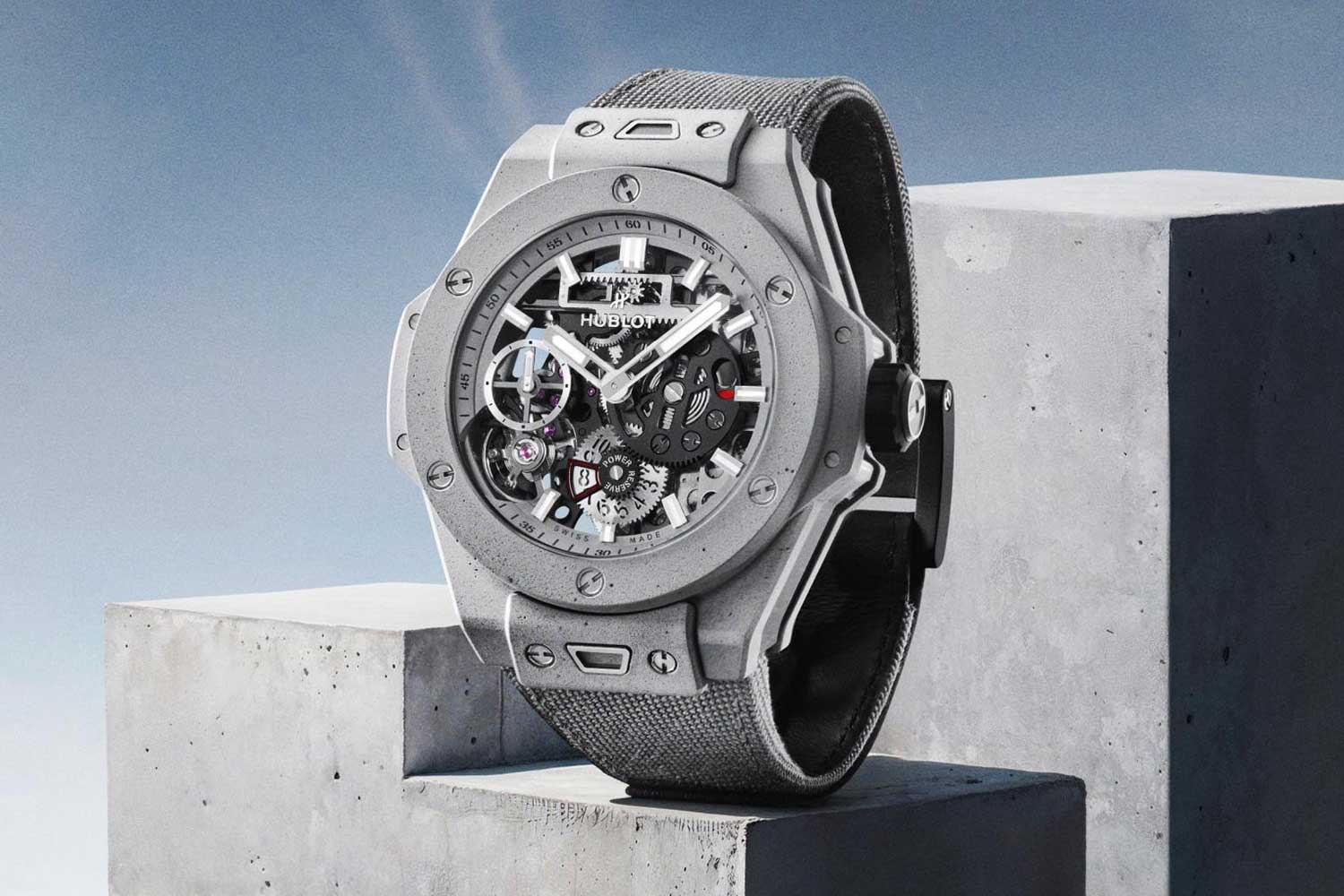
Hublot Big Bang MECA-10 Concrete Jungle
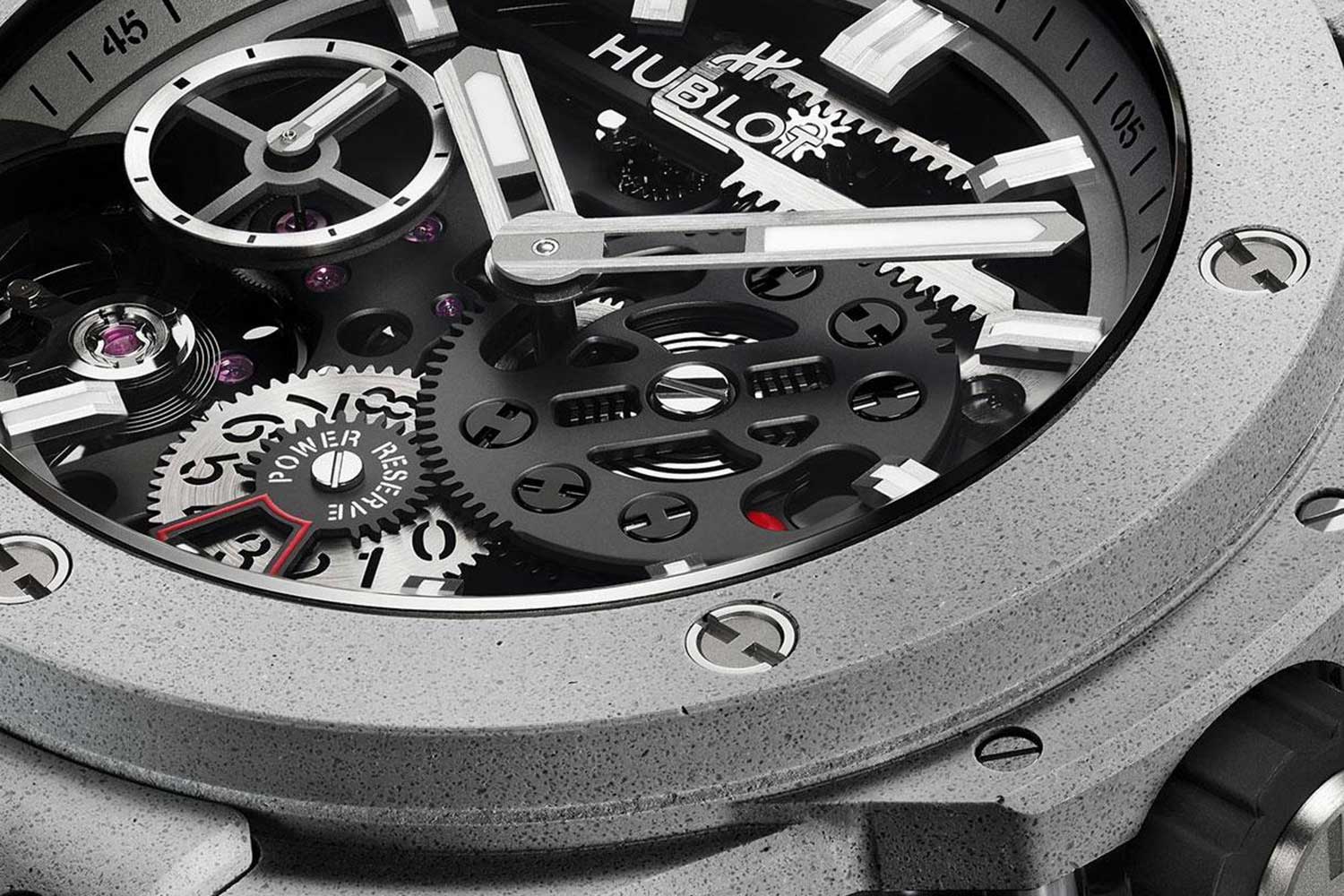
Close up on the concrete case
Urban culture has also inspired Hublot in other ways. In 2023, the brand collaborated with fellow Swiss company Nespresso to take the conversation of innovation and sustainability further. The result was an unprecedented timepiece, Big Bang Unico Nespresso Origin, which made the most out of used Nespresso capsules and coffee grounds. Its vibrant green case, bezel, crown and pushers were made from recycled aluminum, 28 percent of which derived from Nespresso Peru Organic capsules. Meanwhile, the fabric strap was made in collaboration with a third partner, Singtex, which specializes in using recycled coffee grounds for textiles. A second strap in rubber also contains 4.1 percent coffee grounds and 8.2 percent recycled rubber, in addition to Hublot’s standard formula for rubber.
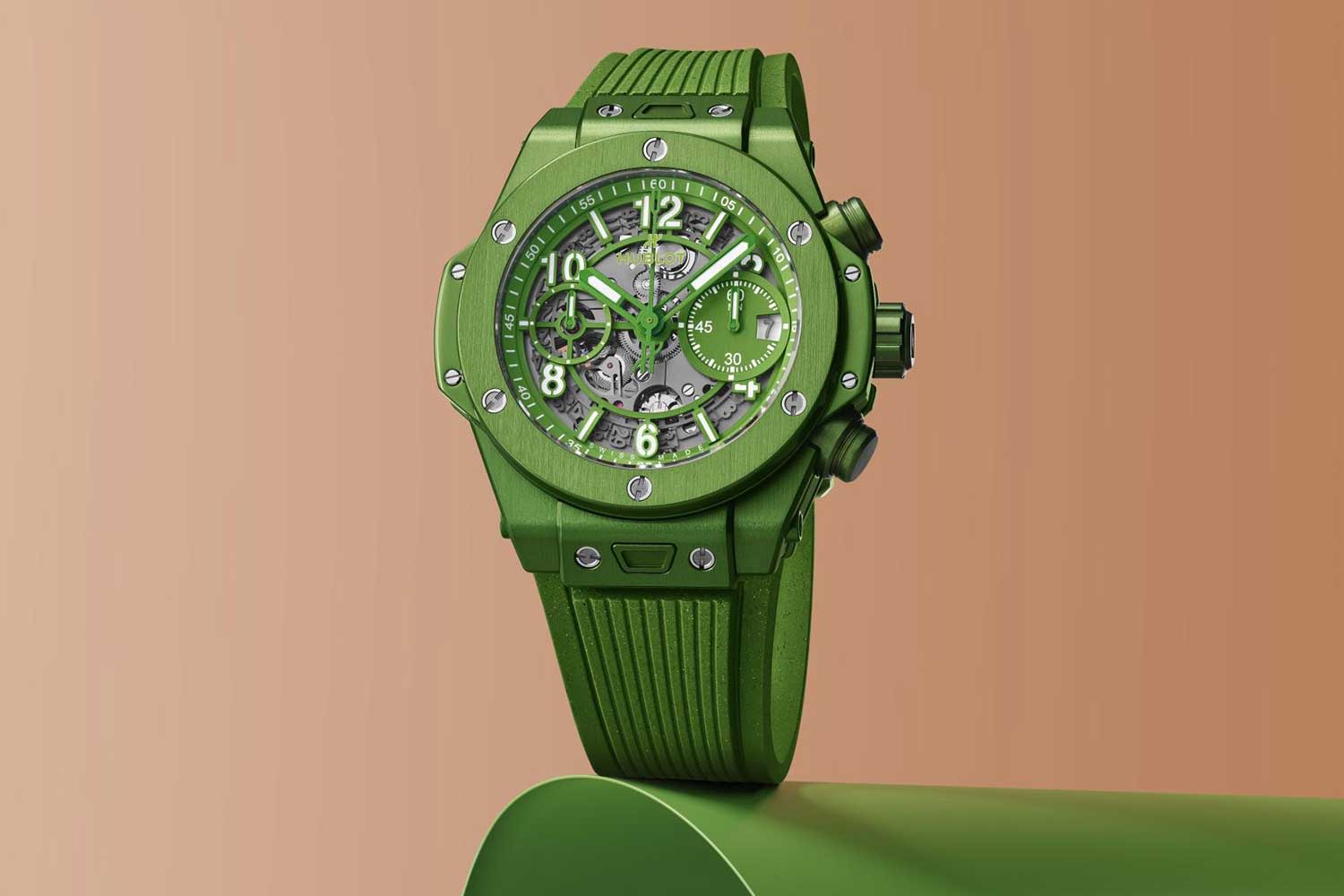
Hublot Big Bang Unico Nespresso Origin
-

- The Vibrant green case
-

- The Nespresso logo on the crown
This fascinating route eventually led to one of Hublot’s most magnificent material triumphs of all time, one that was jointly achieved with the GOAT of tennis, Novak Djokovic. Unveiled in November 2024, the Hublot Big Bang Unico Novak Djokovic commemorated Djokovic’s 24 Grand Slam singles titles by incorporating materials from his personal on-court equipment and attire. Recycled HEAD tennis racquets and Lacoste polo shirts went into a composite material for the case and bezel, yielding a unique camo-like texture on a matte blue base, much of which was skeletonized for maximum lightness.
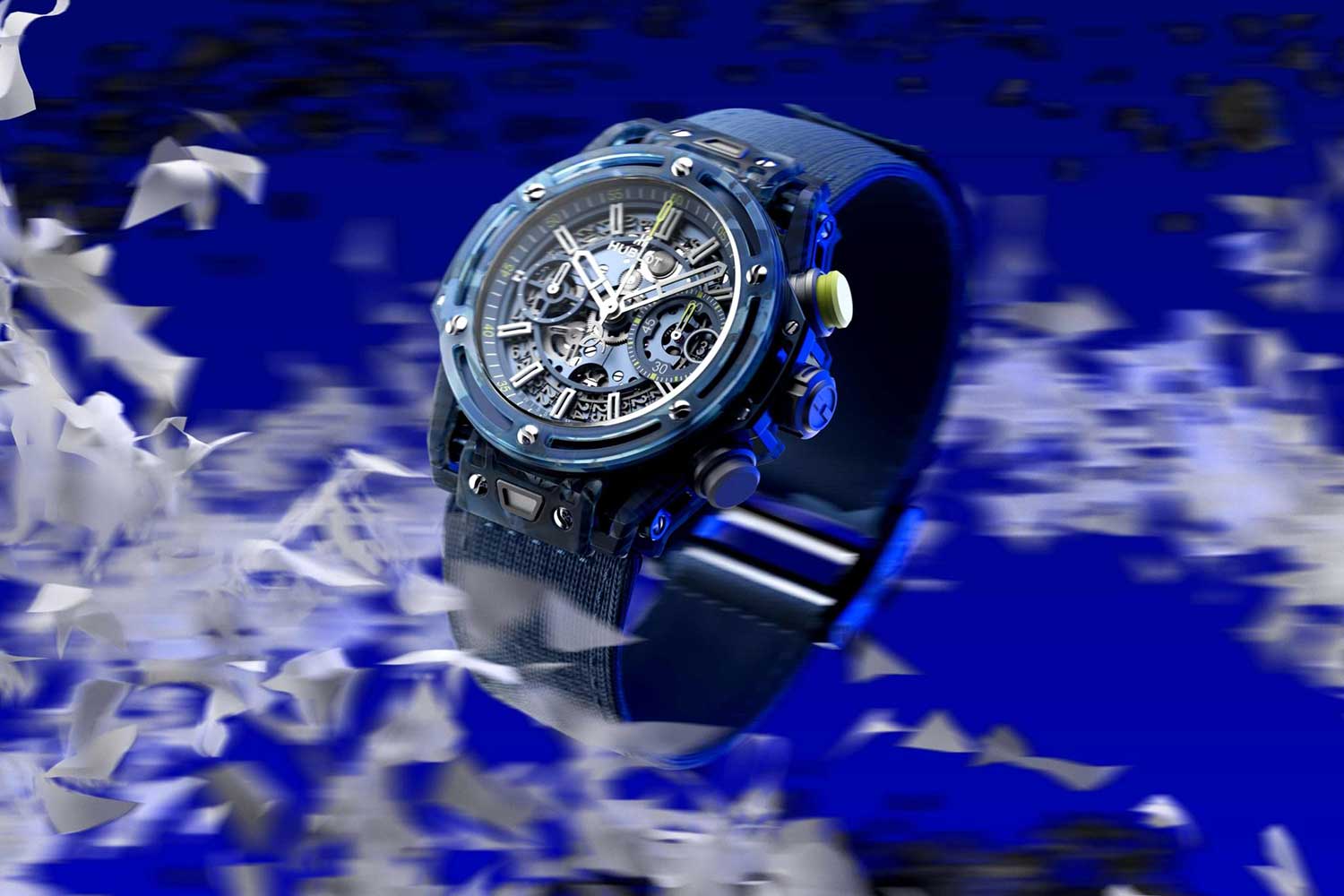
Hublot Big Bang Unico Novak Djokovic
The manufacture also eschewed conventional sapphire crystal for tempered Gorilla Glass which is twice as light. The movement, made of aluminum, weighs 6.1 grams less than the same Unico caliber in steel. Everything about the watch was completely thought through, including the container made in ultra strong, ultra light PEEK carbon and four straps: an elastic sweatband attached with Hublot’s One Click system, a Velcro strap with a blue aluminum sports buckle, a white rubber strap and a Lacoste strap. Delivered with a matching Lacoste polo shirt, the Big Bang Unico Novak Djokovic perfectly sums up a decades-long journey by Hublot that began with a simple vision to create its own definition of luxury horology.
-
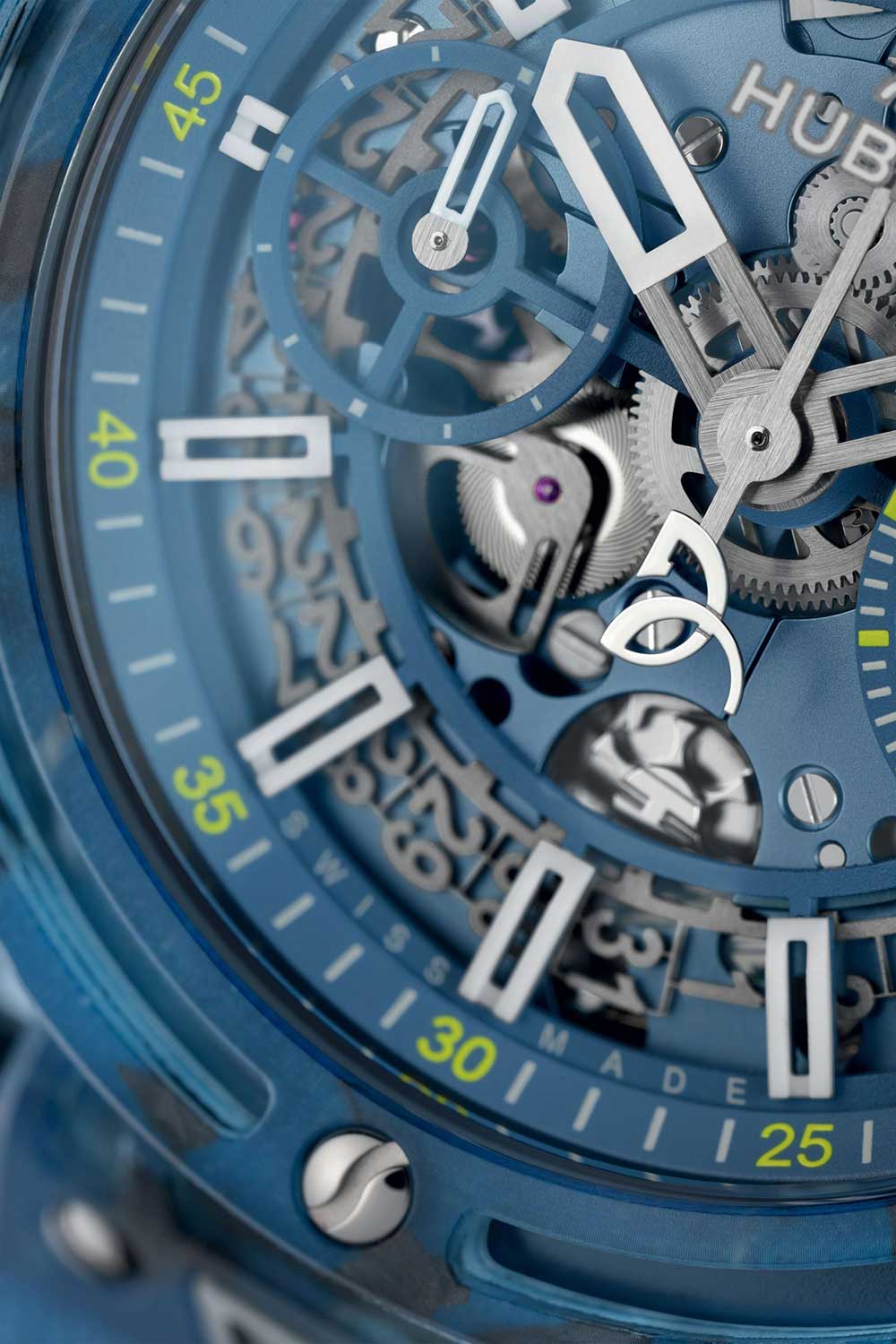
- The conventional sapphire crystal for tempered Gorilla Glass
-
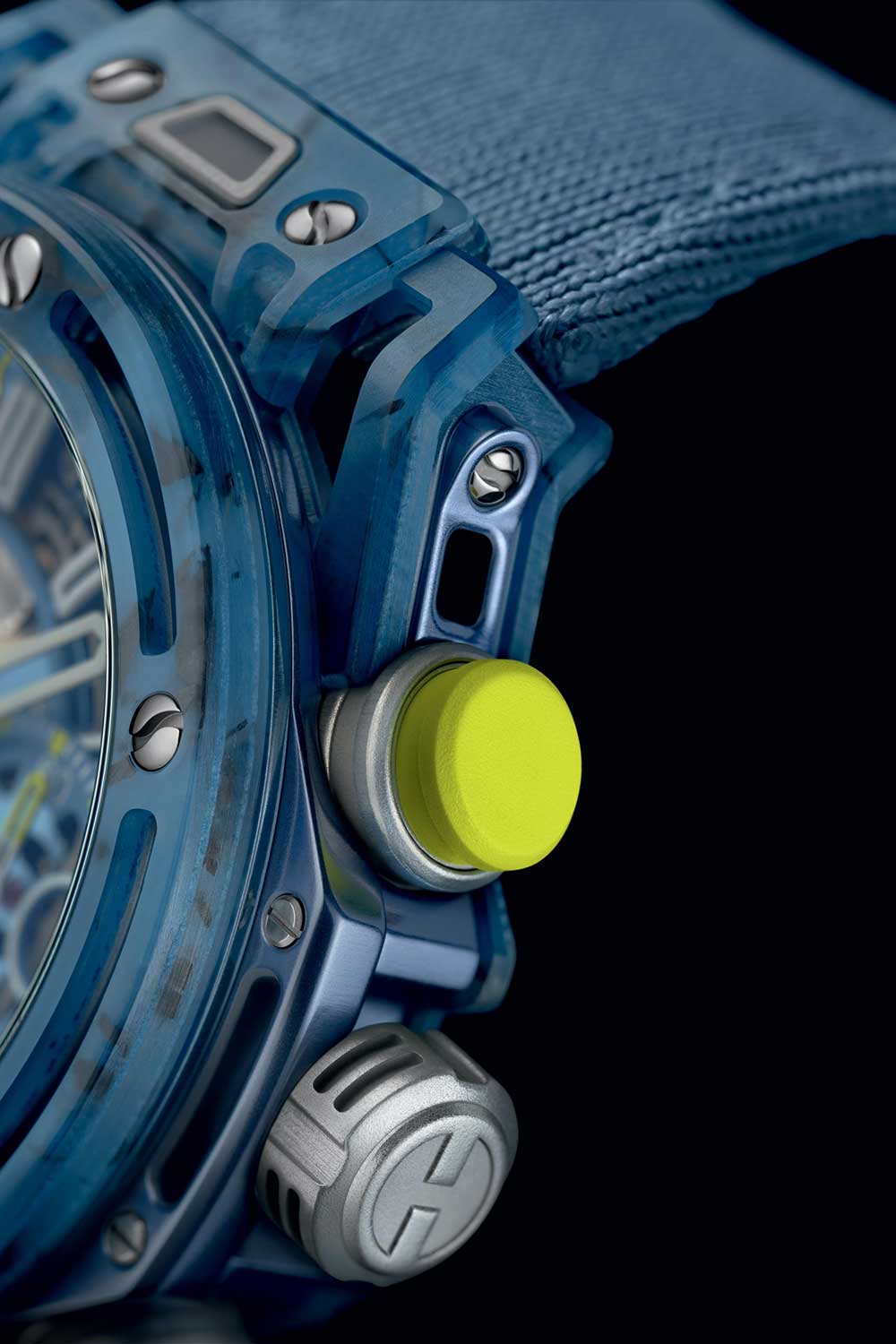
- Sharp yellow pusher on the side
Tech Specs: Hublot Big Bang Unico Novak Djokovic
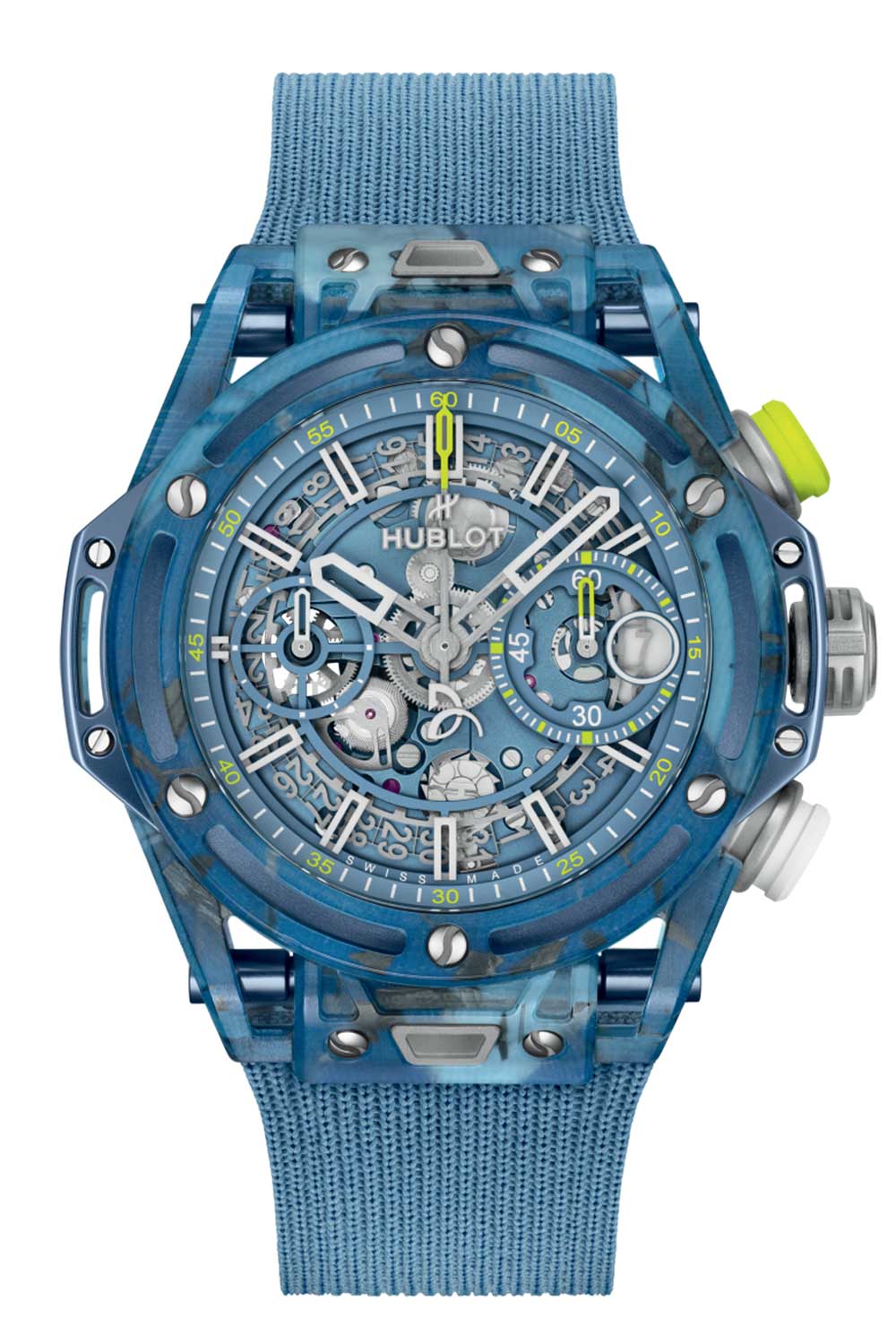
Reference: 441.QKB.5120.NR.DJO24
Movement: Self-winding Unico Manufacture Caliber HUB1280 in sky blue PVD aluminum; 72-hour power reserve
Functions: Hours, minutes, small seconds and chronograph
Case: 42mm; matte blue recycled composite with Djokovic’s shirts and rackets; water resistant to 100m
Dial: Matte sky blue; applied hour markers with luminescent coating
Strap: Blue Velcro fastener fabric with blue aluminum sports buckle; additional white rubber with titanium folding clasp, along with two other options in blue elastic and Lacoste fabric
Price: USD 52,700 (excl. VAT)
Availability: Limited edition of 100 pieces
Tech Specs: HublotBig Bang MECA-10 Concrete Jungle
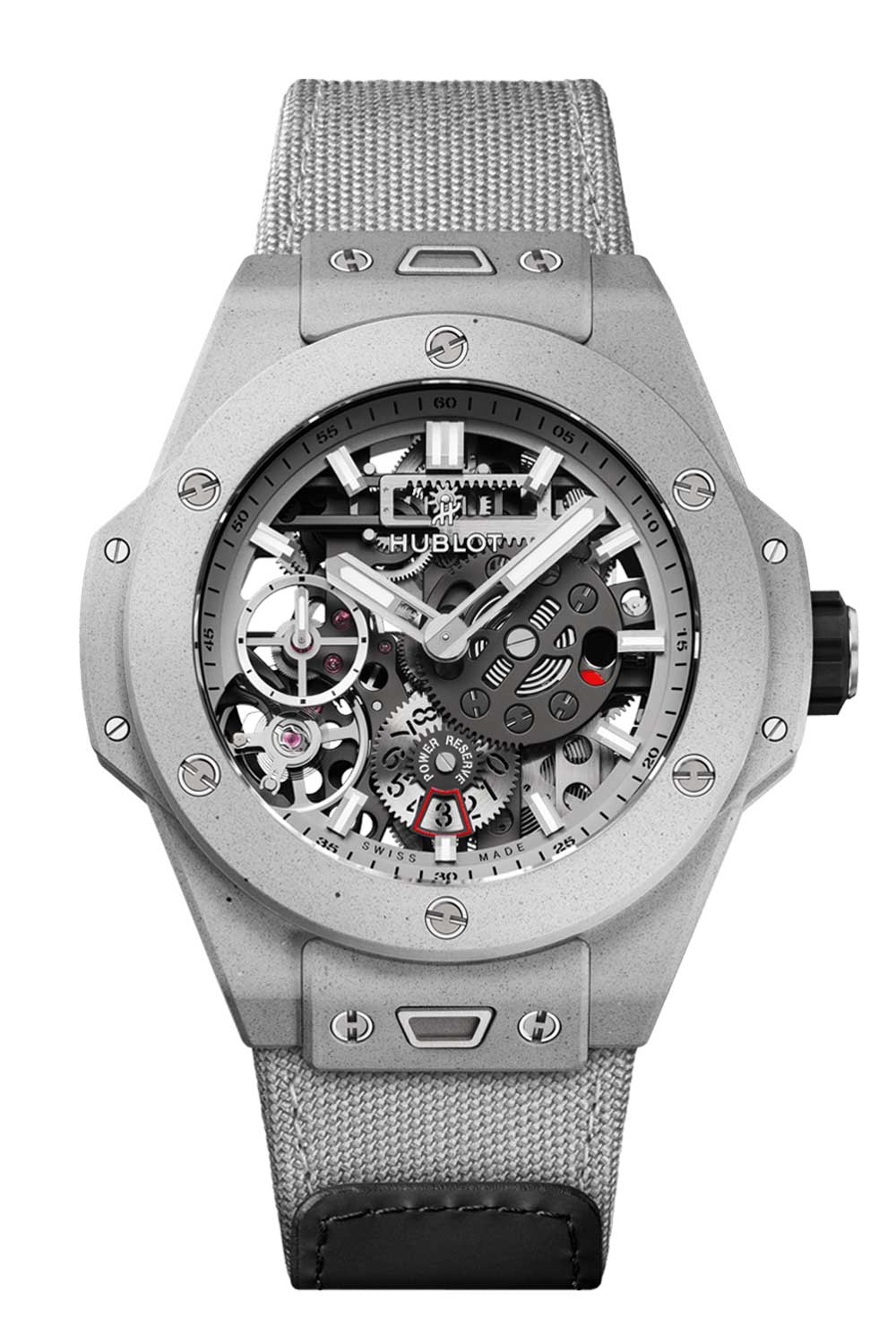
Reference: 424.XC.5510.NR.NYC25
Movement: Manual winding Manufacture Skeleton Caliber HUB1201; 240-hour power reserve
Functions: Hours, minutes and small seconds
Case: 44mm; matte concrete; water resistant to 50m
Dial: Gray openworked; applied hour markers with luminescent coating
Strap: Gray Velcro fastener fabric with microblasted black ceramic sports buckle; additional black lined rubber with black-plated titanium folding clasp
Price: USD 34,100
Availability: Exclusive to USA
Hublot
You may also like
Editorial
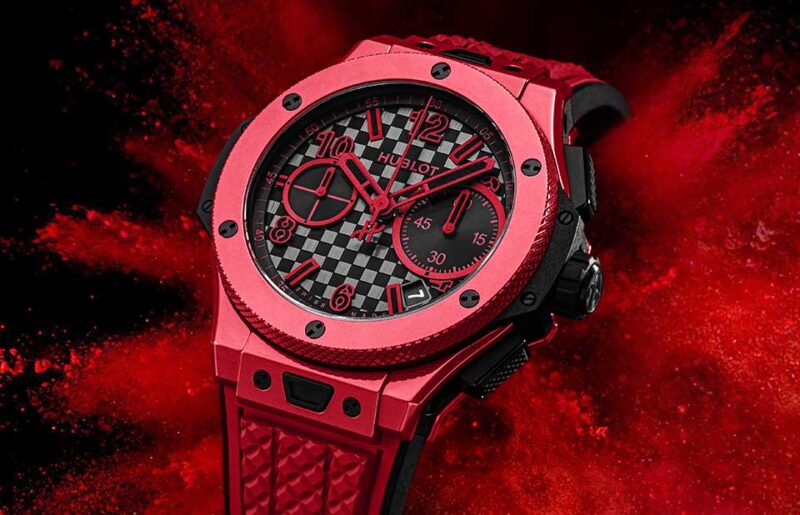
Hublot’s Red Hot 20th Anniversary Big Bang Proves That Watchmaking Can Be Louder, Brighter and Braver
Oct 24, 2025
Editorial
Hublot’s Red Hot 20th Anniversary Big Bang Proves That Watchmaking Can Be Louder, Brighter and Braver
Oct 24, 2025
News
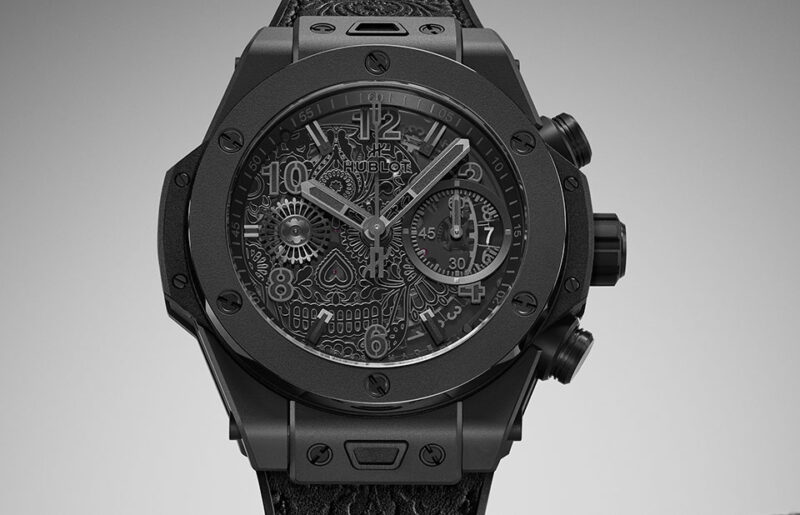
Hublot Unveils Big Bang Unico Calavera All Black For Day Of The Dead At SIAR Mexico 2025
Oct 14, 2025
News
Hublot Unveils Big Bang Unico Calavera All Black For Day Of The Dead At SIAR Mexico 2025
Oct 14, 2025
Interviews
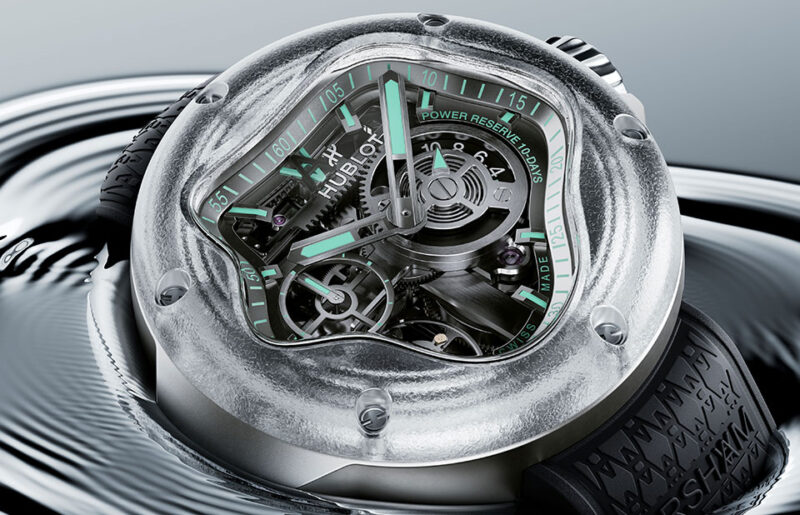
Daniel Arsham Debuts His First Wristwatch Design For Hublot In The MP-17 Meca-10 Arsham Splash Titanium Sapphire
Oct 9, 2025
Interviews
Daniel Arsham Debuts His First Wristwatch Design For Hublot In The MP-17 Meca-10 Arsham Splash Titanium Sapphire
Oct 9, 2025