

Schwarz Etienne Returns to Simplicity with 1902 Petite Seconde
News
Schwarz Etienne Returns to Simplicity with 1902 Petite Seconde

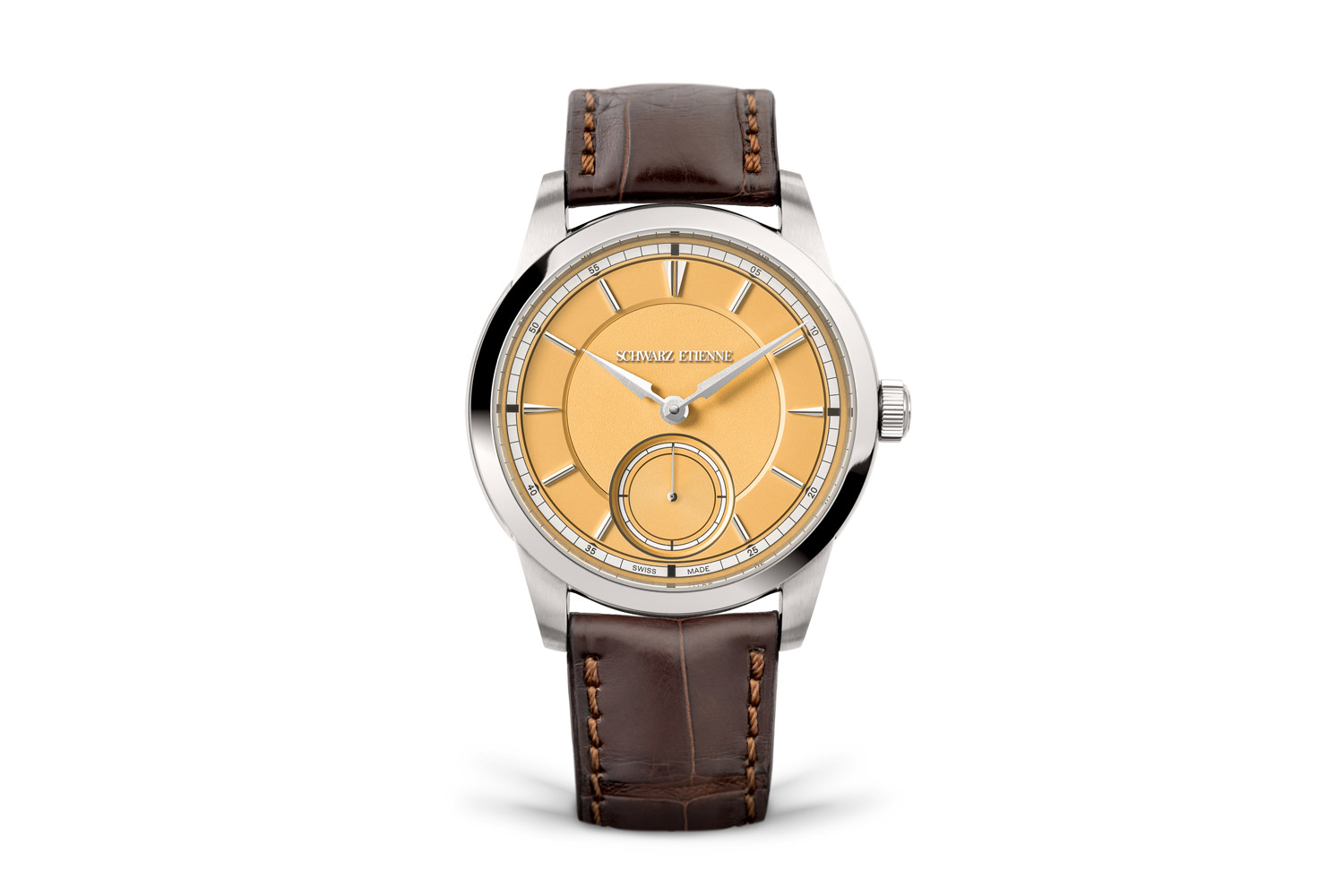
Once a workshop known for supplying micro-rotor movements to other brands, Schwarz Etienne has since established itself as a maker in its own right, with a broad portfolio of watches developed over the years. Its latest release, the 1902 Petite Seconde, brings the focus back to simplicity. The three-hand, time-only watch looks clean and composed on the front, yet belies the elaborate micro-rotor movement within.
A return to simplicity
One of the first watches that Schwarz Etienne produced was a simple time-only model with a small seconds. Over the years, that concept has evolved into numerous variations, including a top-of-the-line version with guilloché dials and movements finished with the help of Kari Voutilainen (Revolution also designed one such variant of that model for the Middle Eastern market).
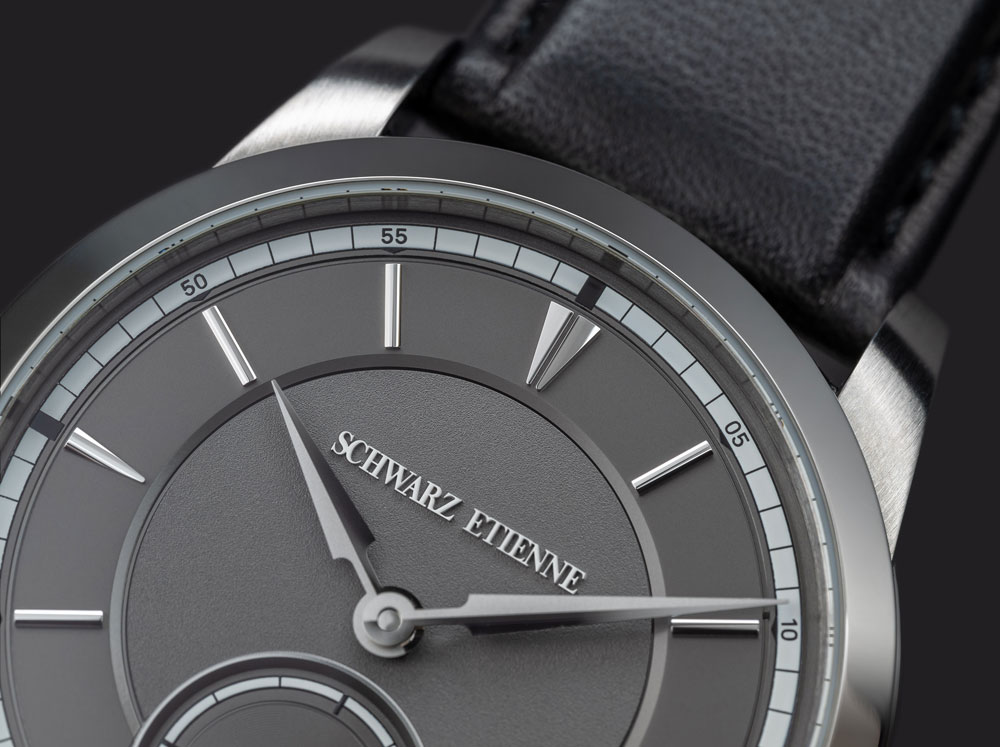
Now the brand has decided to return to simplicity, stripping away the decorative elements to let the design speak for itself. The result is the 1902 Petite Seconde, a watch with a sector-style dial that appears almost plain at first glance.
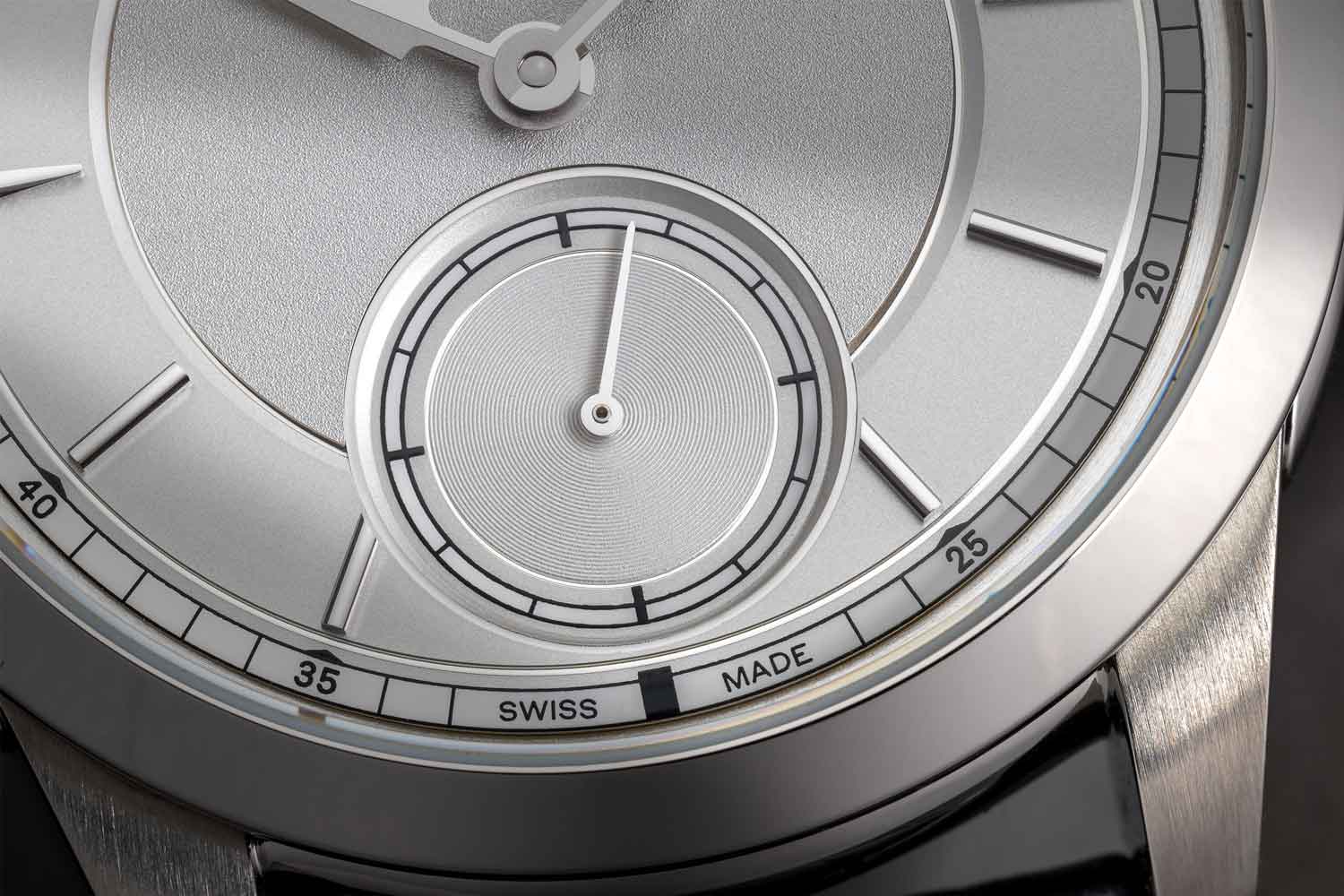
But is it really? A closer look reveals that, while the layout is simple, the surface textures are carefully varied to create nuance and depth. The central portion has a fine grained texture, while the surrounding ring is smooth. The two are divided by a polished ring and a gentle slope, together giving the dial a sense of dimensionality. Meanwhile, the small seconds register features circular guilloché, also known as azurage, as one would expect from a classical timepiece.
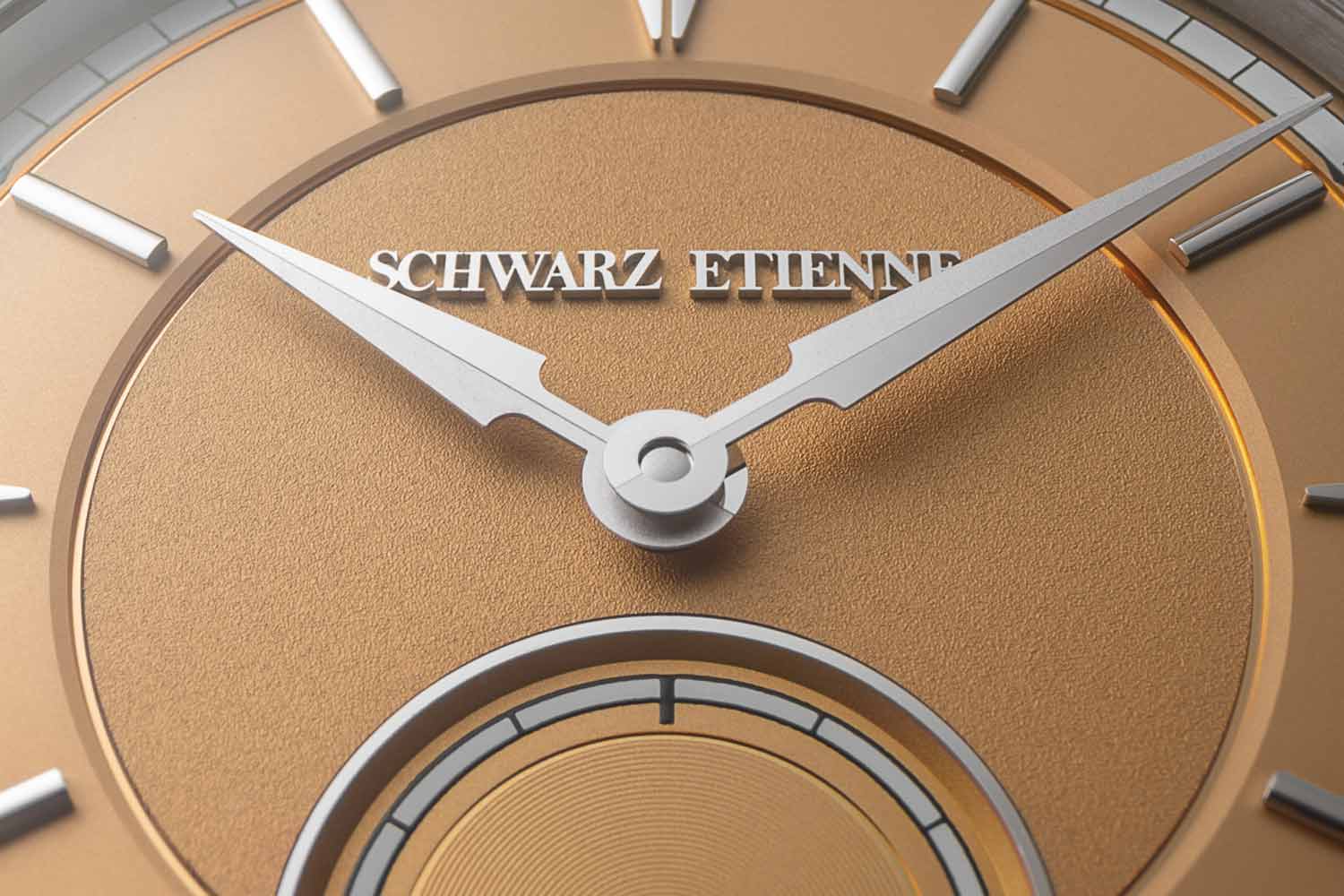
As for the markers and hands, the hour markers are applied, solid batons that have been polished and neatly attached to the dial. The hands are more distinctive, finished half in polish and half in sandblasted texture for better legibility.
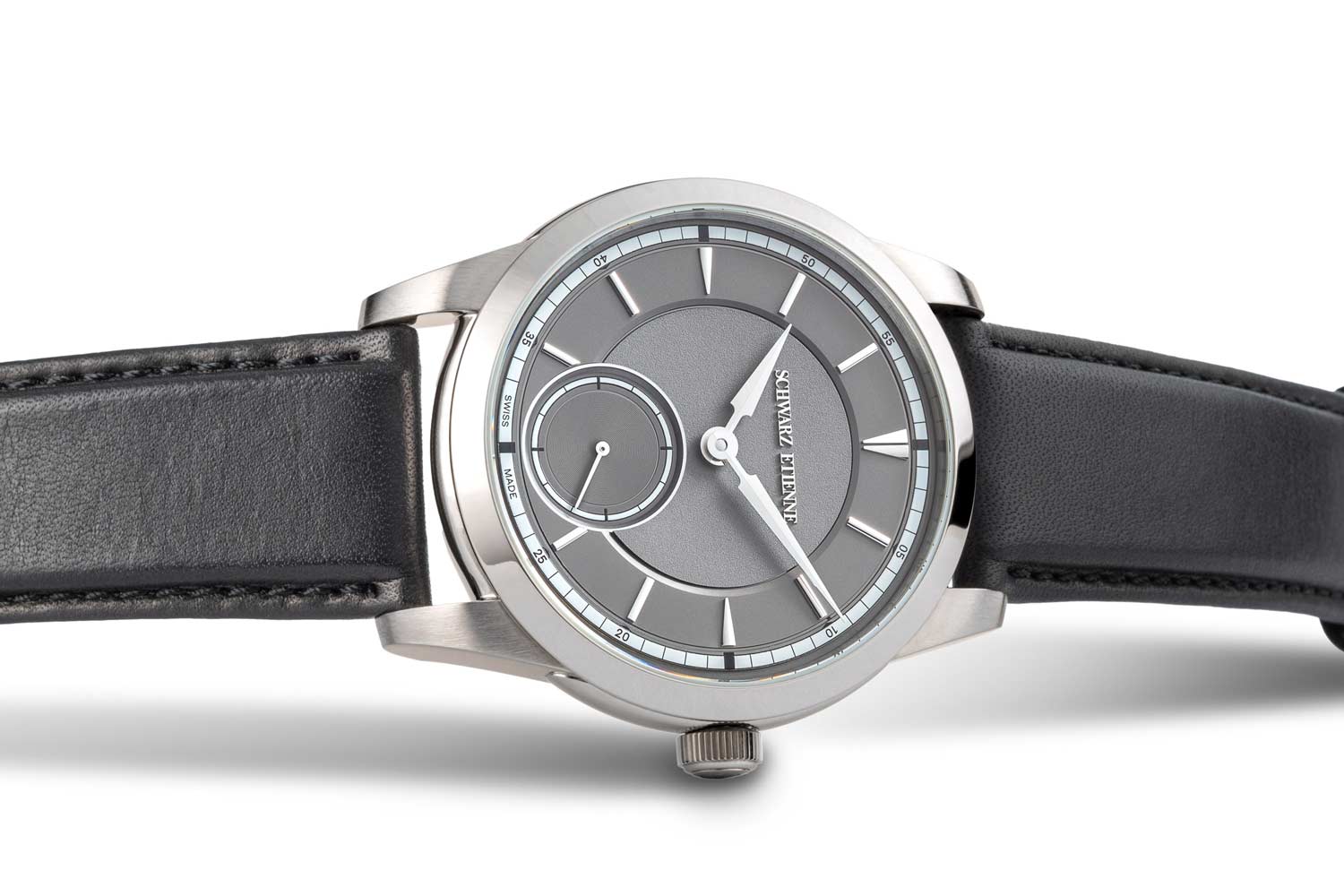
And since the layout of the dial is traditional, it is only fitting that the colours follow suit. The brand offers the watch in classic silver and gold, along with a more unusual option in slate grey.
The case, like the dial, is simple and effective. Most importantly, it is compact at 39 mm in diameter and 10.9 mm thick, proportions that feel even smaller on the wrist thanks to the use of lightweight titanium, a first for the brand.
Micro rotor and finger bridges
In the earlier AS 200 micro-rotor calibre, the bridges were more modern in style, made up of large plates. In the new AS 300, however, the architecture is immediately more appealing. The gear train wheels now sit beneath individual finger bridges, much like those found in vintage pocket watches or mid-century wristwatches. It’s a welcome return to form, as such traditional layouts are uncommon in modern movements, though more brands have begun revisiting these design codes. Even Patek Philippe, for instance, has introduced similar designs, as seen in the Calatrava 8-Day ref. 5328G launched earlier this year.
Interestingly, the first movement Schwarz Etienne developed back in 2012 was a hand-wound calibre with twin barrels that already featured finger bridges. When the design was later converted into an automatic movement with a micro-rotor replacing one of the barrels, the bridges were simplified. Now the brand has come full circle by bringing back the original finger-bridge layout.
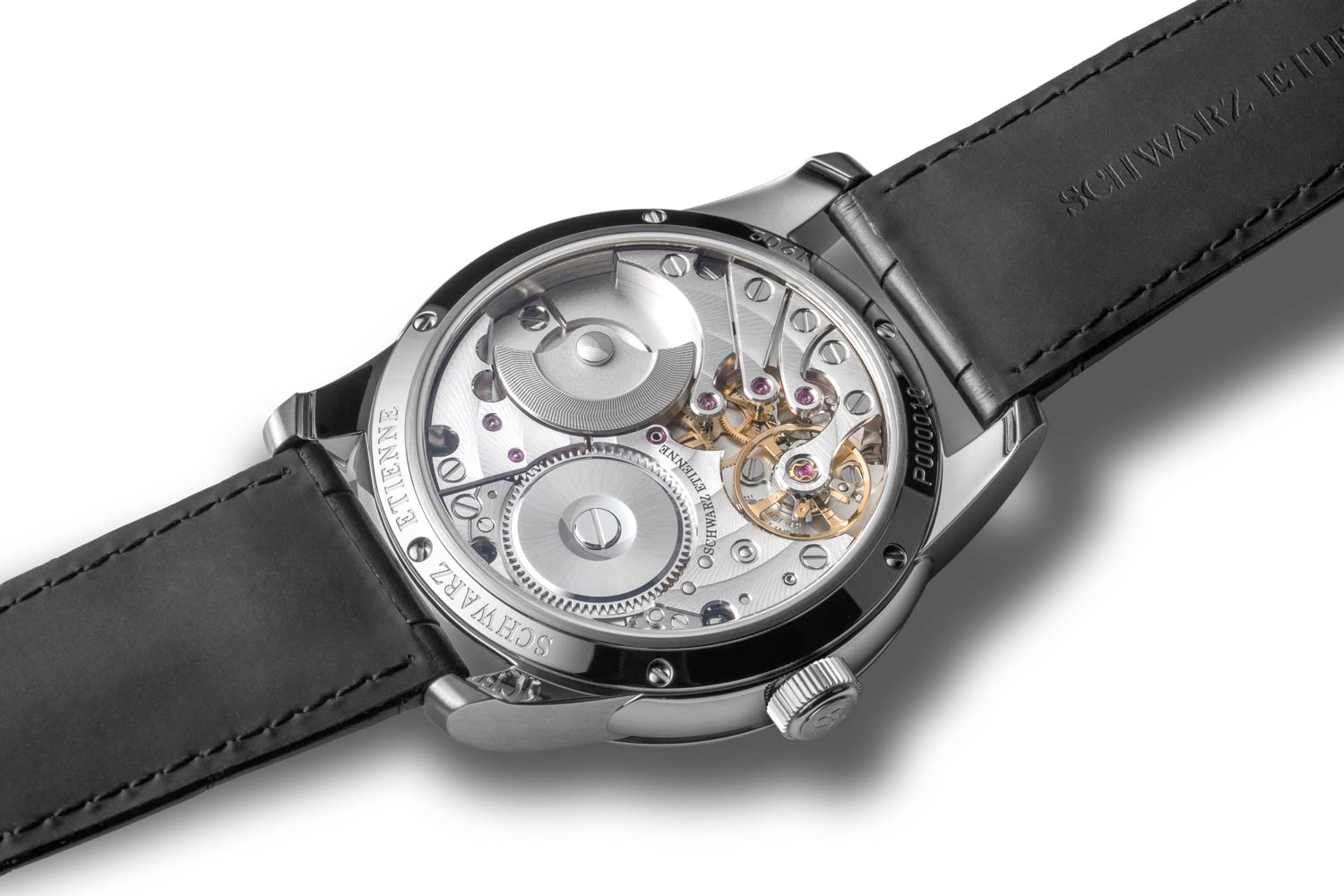
The movement isn’t just visually satisfying but also meets modern expectations. It offers a robust 86-hour power reserve, equivalent to more than three and a half days, which is particularly convenient for those who rotate between several watches.
Tech Specs: Schwarz Etienne 1902 Petite Seconde
Movement: ASE300.00; automatic; 86 hours power reserve
Functions: Hours, minutes, and seconds
Case: 39 mm x 10.9 mm; titanium; water resistant to 50 m
Strap: Alligator or calfskin with pin buckle
Availability: Directly from Schwarz Etienne
Limited edition: No
Schwartz Etienne