

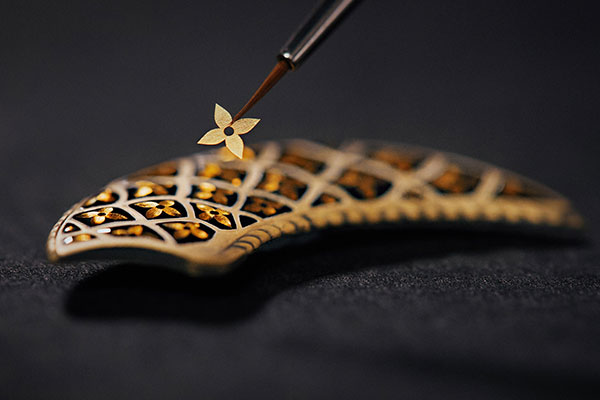
The Power of Consolidation: LVMH Watch Division
Business
The Power of Consolidation: LVMH Watch Division

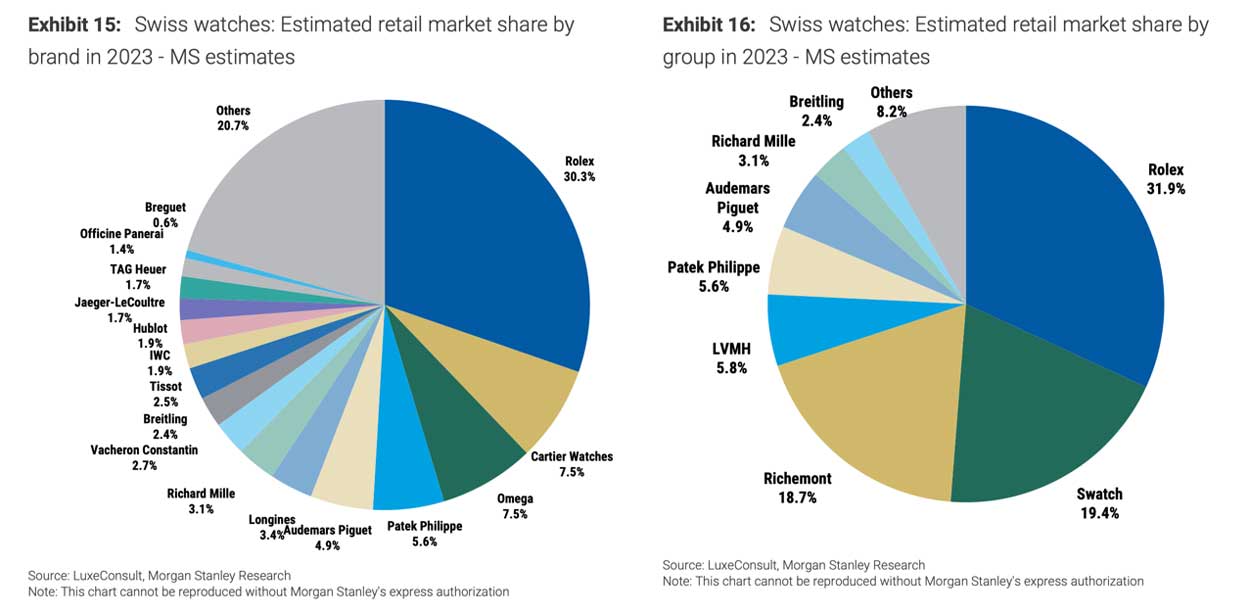
In the dynamic landscape of luxury watches, the challenges faced by LVMH — a conglomerate that reigns supreme in the luxury goods market with 75 brands across all luxury sectors — are as compelling as they are intricate. Despite its ownership of prestigious names like TAG Heuer, Hublot, Zenith, Bvlgari and Louis Vuitton, LVMH continues to grapple with its position in the watch industry. The Morgan Stanley × LuxeConsult 2024 report cites that LVMH commands a mere 5.8 percent share of the total watch market, far overshadowed by Rolex’s commanding slice of over 30 percent. So, what stands in the way of LVMH’s ascent to greater watch industry prominence?
The Legacy of Brands and Diverse Standards
The acquisition of TAG Heuer and Zenith in 1999 was expected to propel LVMH to the forefront of horological excellence. You can read my story on Louis Vuitton’s construction of a dedicated watch manufactory here: Louis Vuitton Watchmaking.
Yet, more than two decades later, the group’s watch division appears fragmented, struggling to unify its diverse brand ethos and marketing imperatives. With TAG Heuer catering to the mass luxury market through more accessible offerings that often depend on third-party movements, and niche brands like gérald genta and Daniel Roth — integrated into Louis Vuitton’s La Fabrique du Temps — focusing on haute horlogerie, bridging these vastly different business models presents a formidable challenge.
At first glance, it might seem that consolidation could be the answer. The pooling of research and development resources alongside manufacturing capacities could streamline production, minimize redundancies and potentially foster innovations that resonate across the division’s variably positioned brands. However, this proposition isn’t without its complexities.
The Conundrum of Coalescence
Aligning brands rooted in different philosophies and price segments poses a significant risk of brand dilution. TAG Heuer’s youthful, sporty image contrasts sharply with the elegant sophistication embodied by Zenith and the intricate artistry of genta and Roth. Efforts to consolidate R&D — potentially favoring one brand’s approach over another — may inadvertently alienate loyal customers or erode the unique identities that distinguish these brands. Therefore, a question arises: should LVMH be striving for a more focused brand portfolio, or is it more prudent to seek out disparate brands that can ultimately round out its luxury watch offerings?
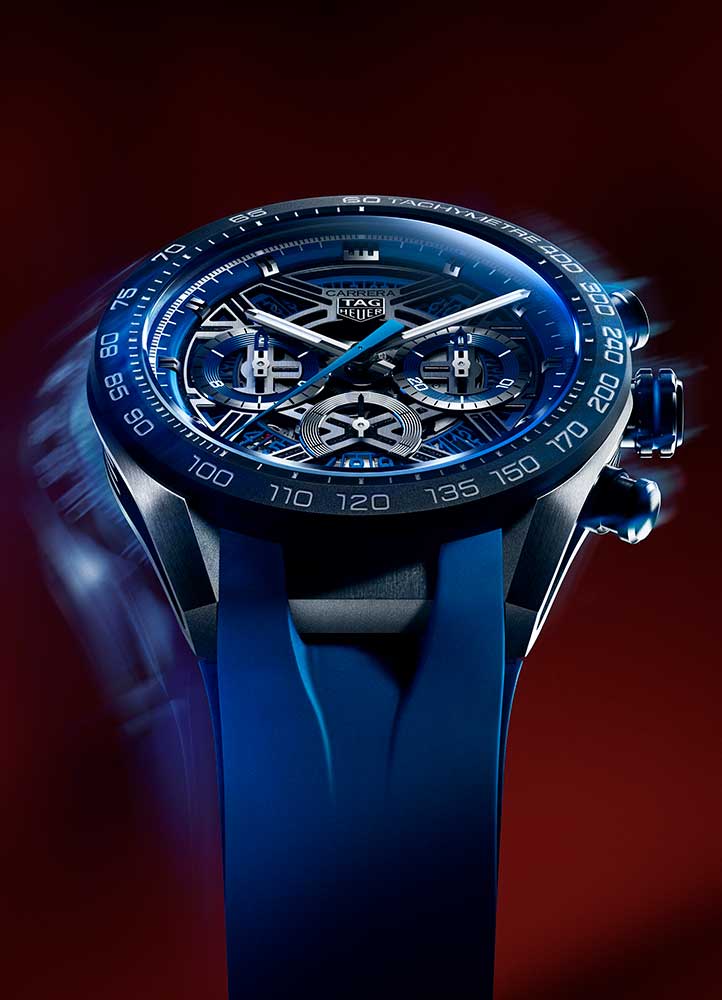
TAG Heuer Carrera Chronograph Tourbillon Extreme Sport
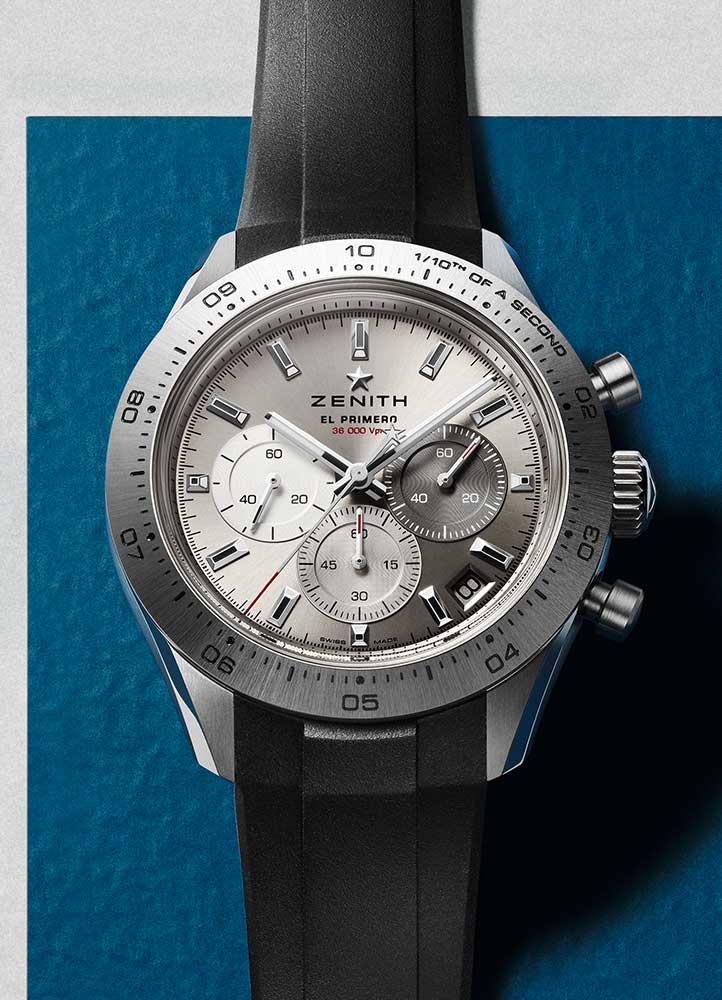
Zenith Chronomaster Sport Titanium
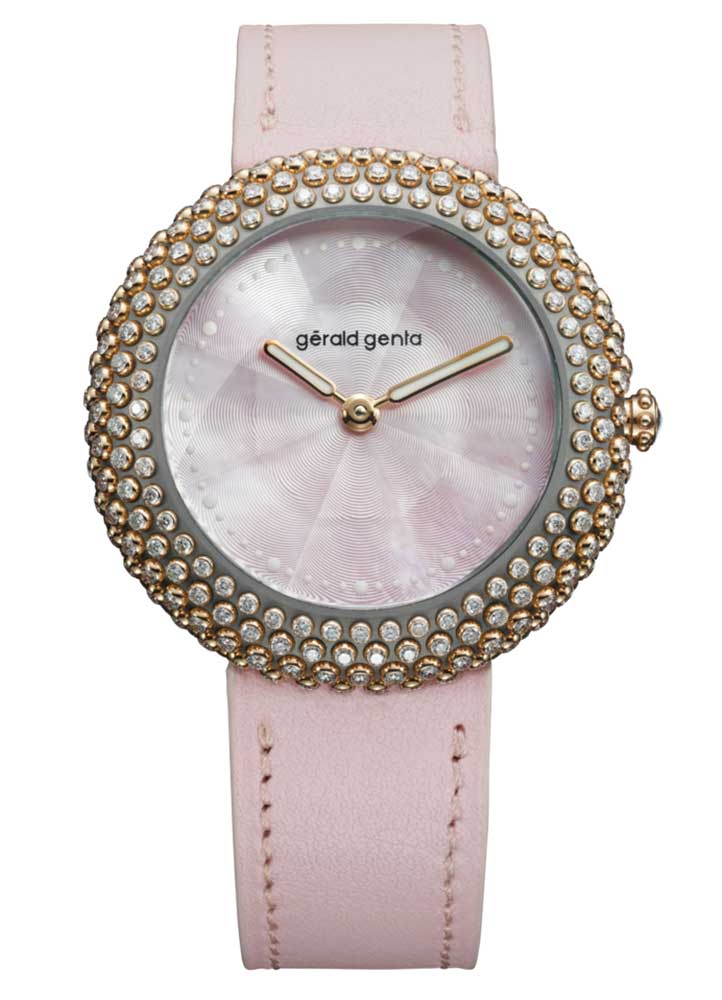
gérald genta Gentissima Oursin
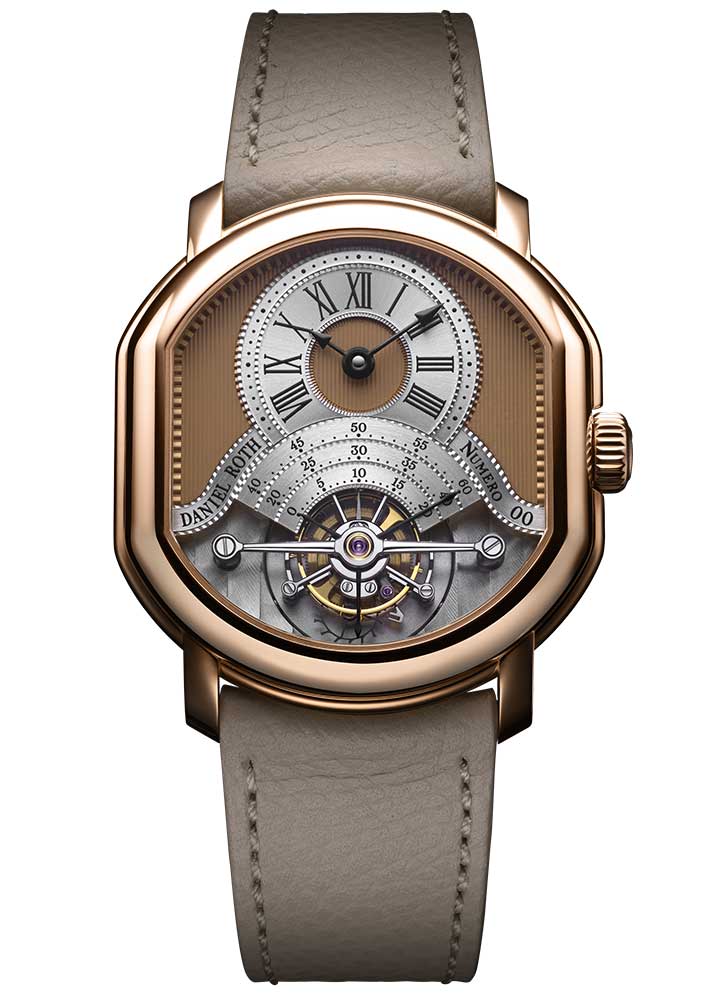
Daniel Roth Tourbillon Rose Gold
A focused portfolio could indeed enhance coherence and elevate the perception of LVMH’s watch division. Enhancing the technological prowess of TAG Heuer while maintaining its accessible luxury ethos could set a benchmark that enhances all brands involved. On the other hand, pursuing acquisitions of brands positioned outside LVMH’s traditional luxury framework might introduce fresh narratives and innovations steeped in disruptive creativity. This approach might allow LVMH to explore segments of the market that remain untapped, leveraging its existing strengths while expanding into new territories.
The Pursuit of Balance
In luxury, balance is key. The story of LVMH in the watch industry illuminates the complexities inherent in managing a multi-brand empire, while striving for growth in the face of relentless competition from giants such as Rolex, which effortlessly commands consumer loyalty and perceptions of quality. As LVMH charts its course ahead, it must critically assess whether it can embrace both a unified approach through strategic consolidation across its brands and the opportunity for diversification by exploring new brand acquisitions.
The question remains: can LVMH harmonize the disparate voices within its watch division and emerge as the preeminent force it aspires to be? Or will the pursuit of diversification lead to more chaos than clarity? As we navigate the luxury watch landscape, one thing is clear: understanding how to marry tradition with innovation will be paramount in transforming LVMH’s watch ambitions into a reality worthy of its esteemed status in the luxury realm.
The Dual Challenges of Louis Vuitton in Horology: Crafting Credibility and Navigating Volume
La Fabrique du Temps Louis Vuitton is the branch of the iconic French maison most rooted in horological legacy. It aspires to establish horological legitimacy through an exceptional blend of traditional craftsmanship and diverse métiers d’art, such as enameling and engraving. However, as we delve into the intricacies of this endeavor, we find that the road to recognition is fraught with unique challenges — especially when the watch category is not the brand’s primary revenue driver.
Cultivating Horological Credibility
Louis Vuitton watches boast a proud heritage dating back to 1988 when the brand first ventured into watchmaking with a quartz-powered watch called Monterey.
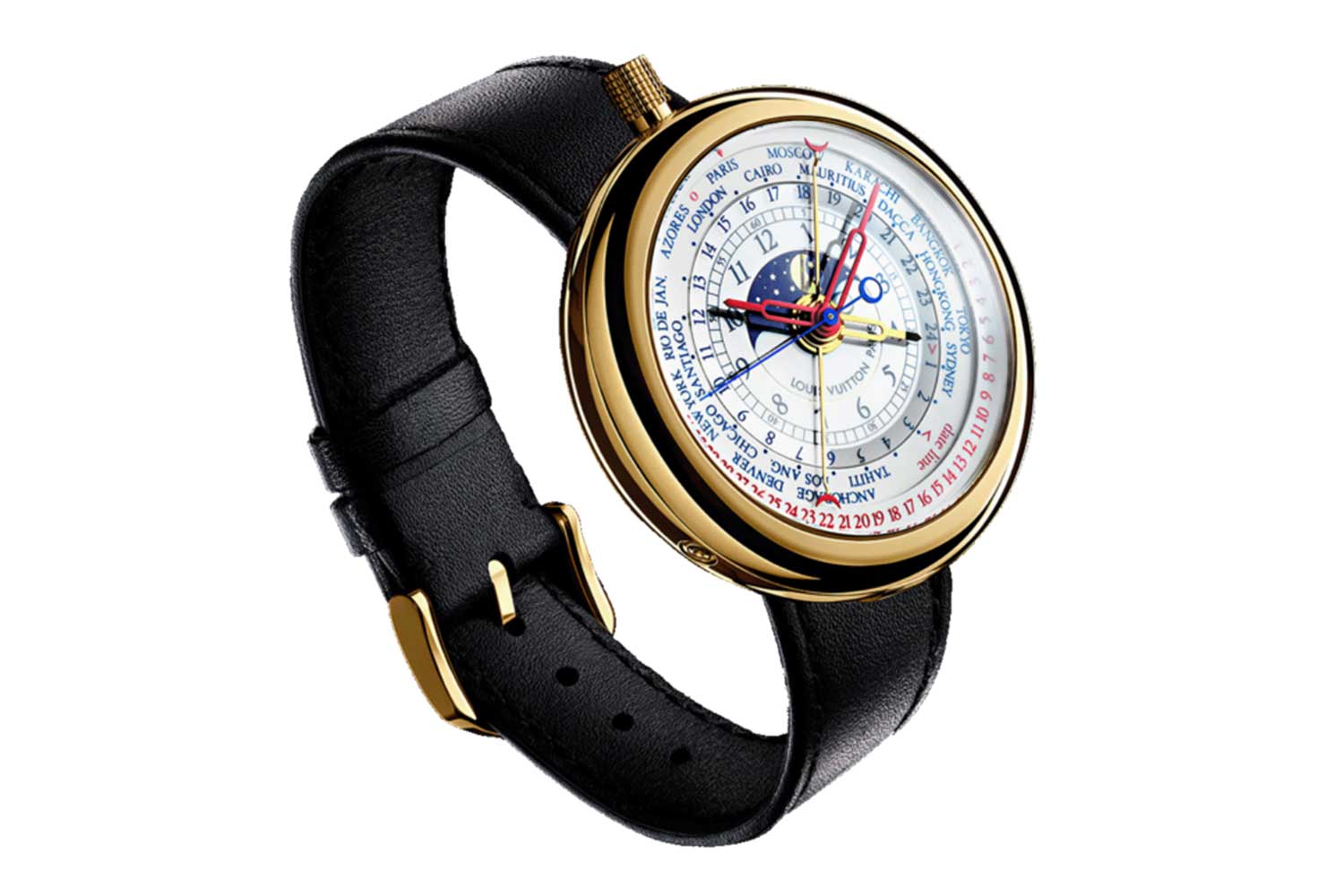
The Louis Vuitton Monterey, 1988
Yet, despite its illustrious background, the brand grapples with effectively imparting its horological narrative to both sales staff and customers. The challenge lies in unfamiliarity. Staff at Louis Vuitton boutiques are largely trained to sell leather goods, fashion items and accessories — categories in which the brand excels and thrives. Now they face the daunting task of selling a relatively niche product category that demands not only knowledge, but also a passion for watchmaking intricacies.
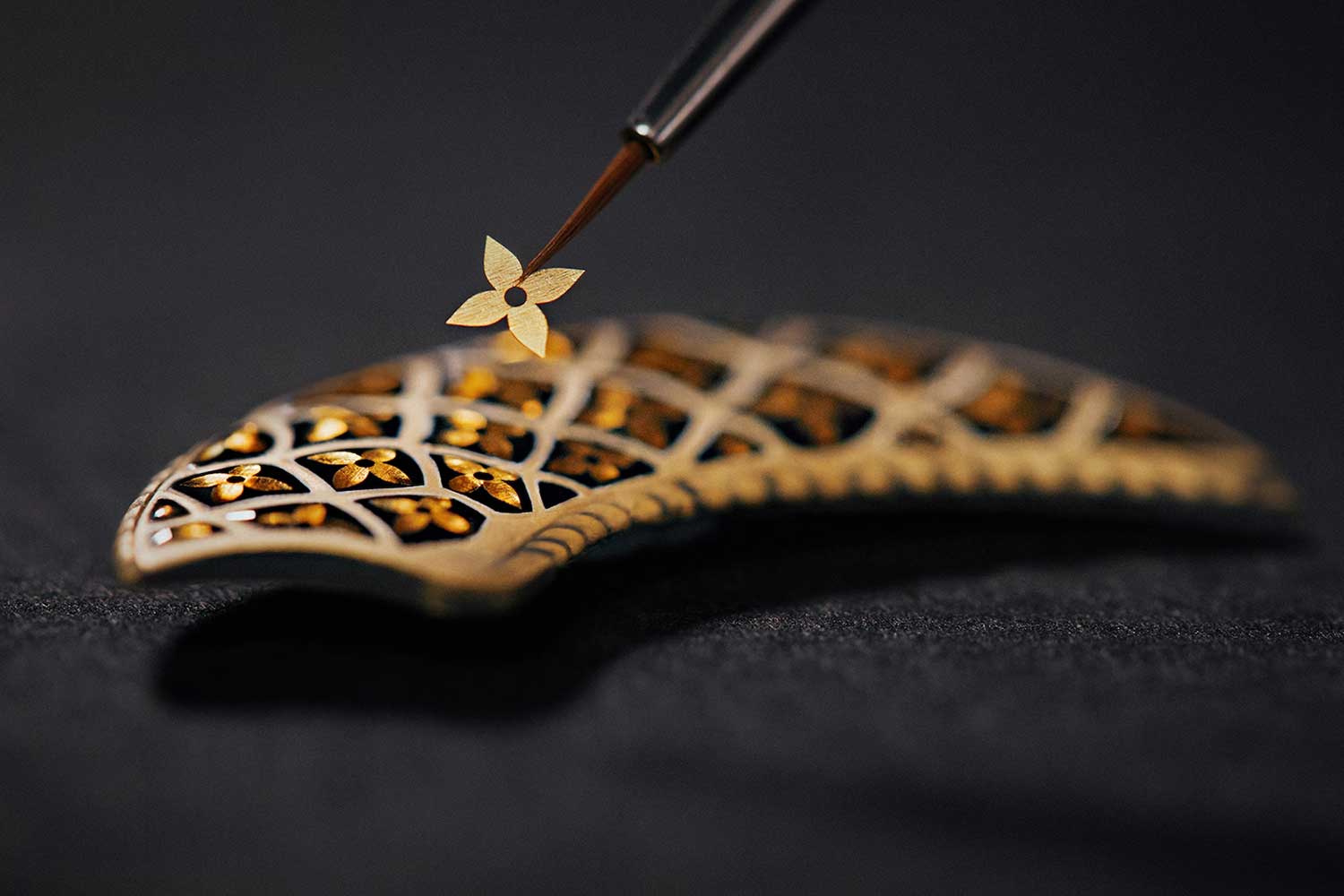
This hurdle becomes even more pronounced when you consider the sophisticated nature of the brand’s timepieces, which encompass the luxurious craftsmanship of gérald genta and Daniel Roth. The expectations tied to these specialized names in the watch industry require a depth of understanding that goes beyond the familiar realm of Louis Vuitton’s core offerings. The ambition of La Fabrique du Temps lies in infusing the artistry of traditional watchmaking into a contemporary context, yet it risks losing resonance if the sales representatives cannot articulate the beauty and craftsmanship behind each piece.
Competing with Hermès: A Long Road Ahead
As La Fabrique du Temps endeavors to elevate its position in horology, it finds itself on a path akin to that of its archrival, Hermès. Although Louis Vuitton has the potential to rival Hermès in sales and volume within the watch segment, achieving the same level of horological credibility requires time, commitment and an unwavering dedication to craftsmanship. Hermès has cultivated a revered reputation for quality and exclusivity over decades, and while Louis Vuitton’s illustrious brand equity offers a significant advantage, it still has a substantial climb to reach similar standing in the horological landscape.
To genuinely resonate with avid watch enthusiasts, Louis Vuitton must reinforce its commitment to traditional watchmaking skills while celebrating the artistry inherent in its designs. Investing in the education of sales staff, promoting immersive customer experiences in boutiques and fostering collaborations with celebrated horologists could bolster the narrative of La Fabrique du Temps, creating a more informed and engaged customer base.
A Diverging Challenge: TAG Heuer’s Identity Crisis
Contrastingly, TAG Heuer is facing an entirely different set of obstacles within the watchmaking realm. Once a vibrant name in the volume segment, TAG Heuer is now struggling to maintain its market position amid fierce competition from brands like Omega, Tudor and Breitling. The challenge for TAG Heuer goes beyond merely crafting watches; it must contend with an identity crisis. HEUER, the eponymous brand which Edouard Heuer founded in 1860 and based on horological legacy, and TAG, which bought the former in 1985, is strongly rooted in high-end technology and, more specifically, in Formula 1.
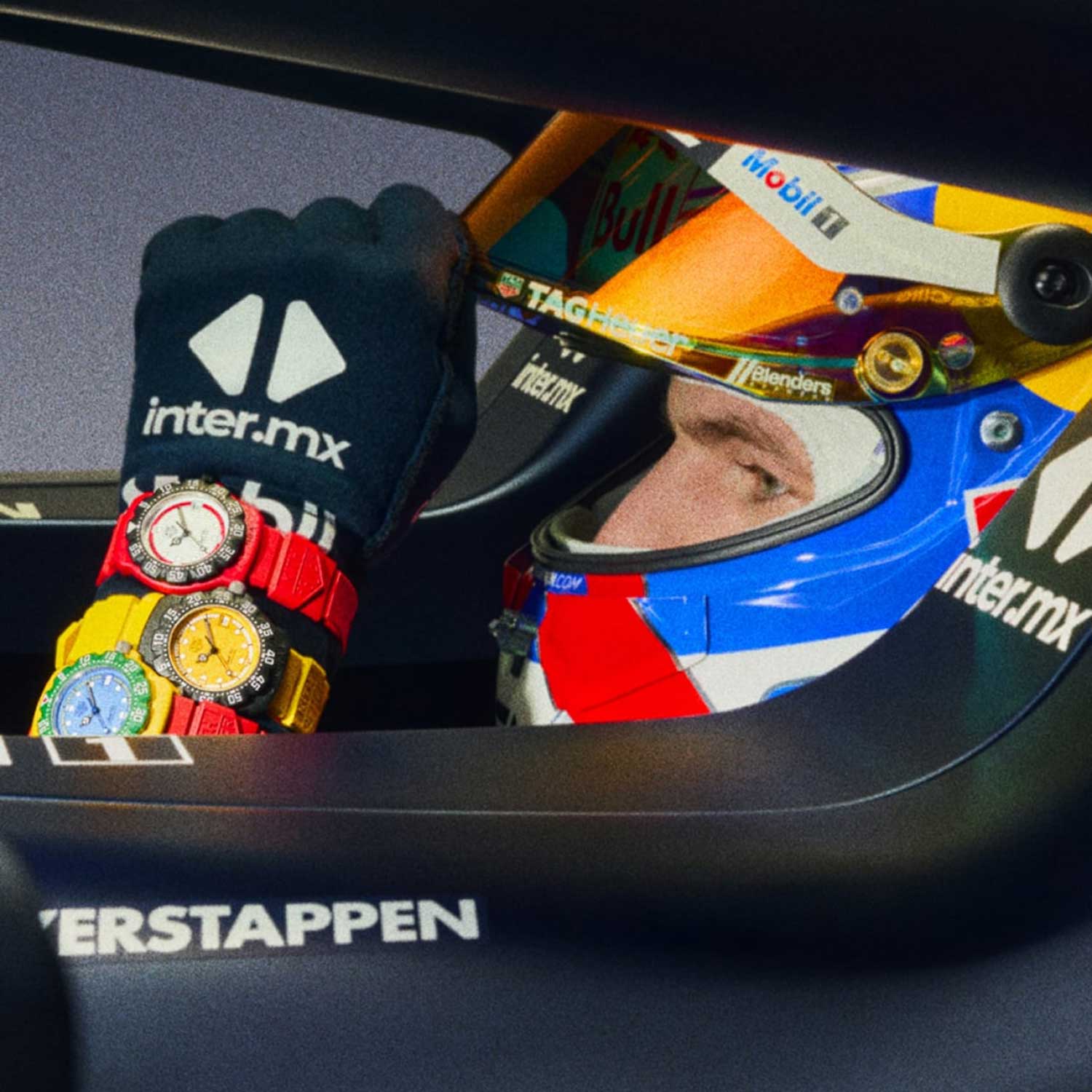
TAG Heuer and Kith revive the Original 1986 TAG Heuer Formula 1 Series 1
There are rumors that the brand will discontinue its Connected smartwatches, as they never became profitable and probably always will remain a niche player in a market where technological obsolescence is a key factor. Besides that, TAG Heuer can’t offer the same access to a data ecosystem such as Apple or Samsung can offer it. But the brand deserves all the credit having tried to enter the competition with the aforementioned giants of entertainment that are Apple, Samsung and Huawei, to name but a few.
TAG Heuer’s challenge is rooted in its ability to innovate while honoring its rich heritage. In a world increasingly influenced by nostalgia and brand storytelling, TAG Heuer must rekindle the fervor that once made it a darling of the watch community. This requires clear strategies to differentiate itself from competitors, while carving out a unique narrative that resonates with both collectors and casual buyers.
Navigating the Future of LVMH’s Watch Division
Both La Fabrique du Temps and TAG Heuer underscore the multifaceted nature of the luxury watch sector, where prestige is underpinned by a potent blend of storytelling, heritage and craftsmanship. As Louis Vuitton navigates the complexities of integrating its watchmaking ambitions with its broader luxury identity, its approach must be deliberate and informed by a deep understanding of the stakes involved.
Time will reveal whether La Fabrique du Temps can cultivate the horological credibility it seeks, while TAG Heuer redefines its market positioning amidst evolving consumer preferences. In an industry where every tick of the seconds hand symbolizes a moment of history, both brands must innovate and adapt to capture not only the hearts, but also the minds of discerning watch aficionados. Ultimately, the luxury watch landscape is a dance of legacy and modernity, one that both Louis Vuitton and TAG Heuer strive to navigate with their unique challenges and aspirations.
With all due respect, looking at LVMH’s efforts through my own lens into the world of watches, the group’s journey is one that requires adaptability, foresight and a delicate understanding of the complexities of brand identities. Whether it’s through consolidation or diversification, the path toward significant market share in the watch sector remains a tantalizing challenge awaiting resolution.
LVMH
You may also like
Editorial
After F1’s Luxury Boom, Are Cycling and Sailing Next?
Aug 12, 2025
Editorial
After F1’s Luxury Boom, Are Cycling and Sailing Next?
Aug 12, 2025
News
BREAKING: Jean-Christophe Babin Named CEO Of LVMH Watches
Mar 28, 2025
News
BREAKING: Jean-Christophe Babin Named CEO Of LVMH Watches
Mar 28, 2025
Business
From TAG Heuer To Loro Piana, Frédéric Arnault Rises Swiftly Up The LVMH Ranks
Mar 17, 2025
Business
From TAG Heuer To Loro Piana, Frédéric Arnault Rises Swiftly Up The LVMH Ranks
Mar 17, 2025