

Time Zone to Time Zone: Rolex and Cortina Celebrate the GMT-Master
Editorial
Time Zone to Time Zone: Rolex and Cortina Celebrate the GMT-Master

From October 24 to November 2, 2025, Rolex and Cortina Watch present Time Zone to Time Zone, an exhibition tracing the GMT-Master’s remarkable voyage from cockpit instrument to global icon, and its evolution into the GMT-Master II. First launched in 1955 at the dawn of the jet age, the watch was a mechanical answer to a modern dilemma: how to stay tethered to home while jet-setting across the globe.
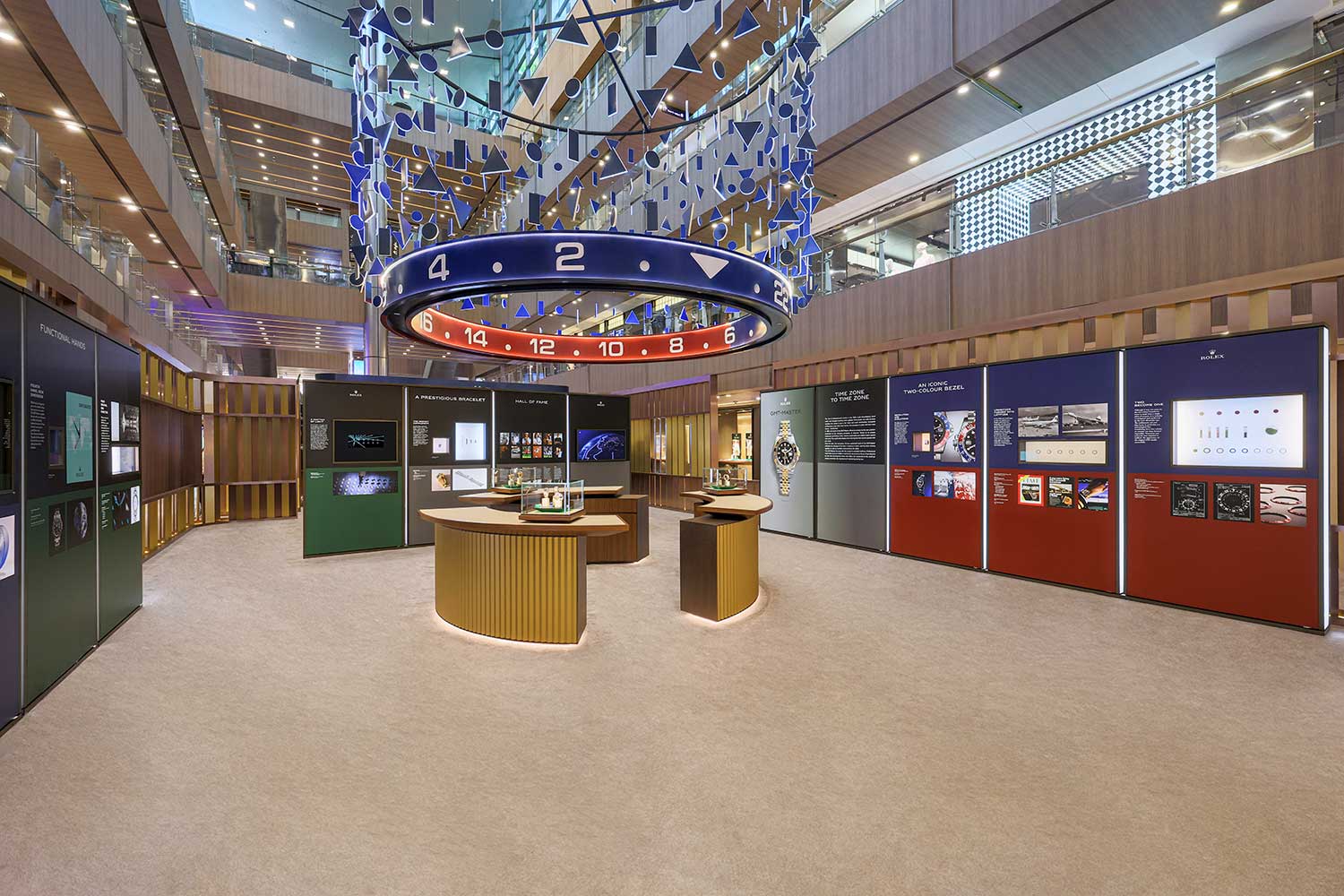
Rolex and Cortina Watch present Time Zone to Time Zone
The Rolex GMT-Master uses a distinctive triangle-tipped 24-hour hand and 24-hour graduated bidirectional, two-color rotatable bezel to display a second time zone, making it a cinch for travelers to tell home time and local time. The two-color bezel of the Rolex GMT-Master — blue and red in its earliest guise — became an instant emblem of adventure. Eleven movements have powered the GMT-Master since its debut Caliber 1036.
-
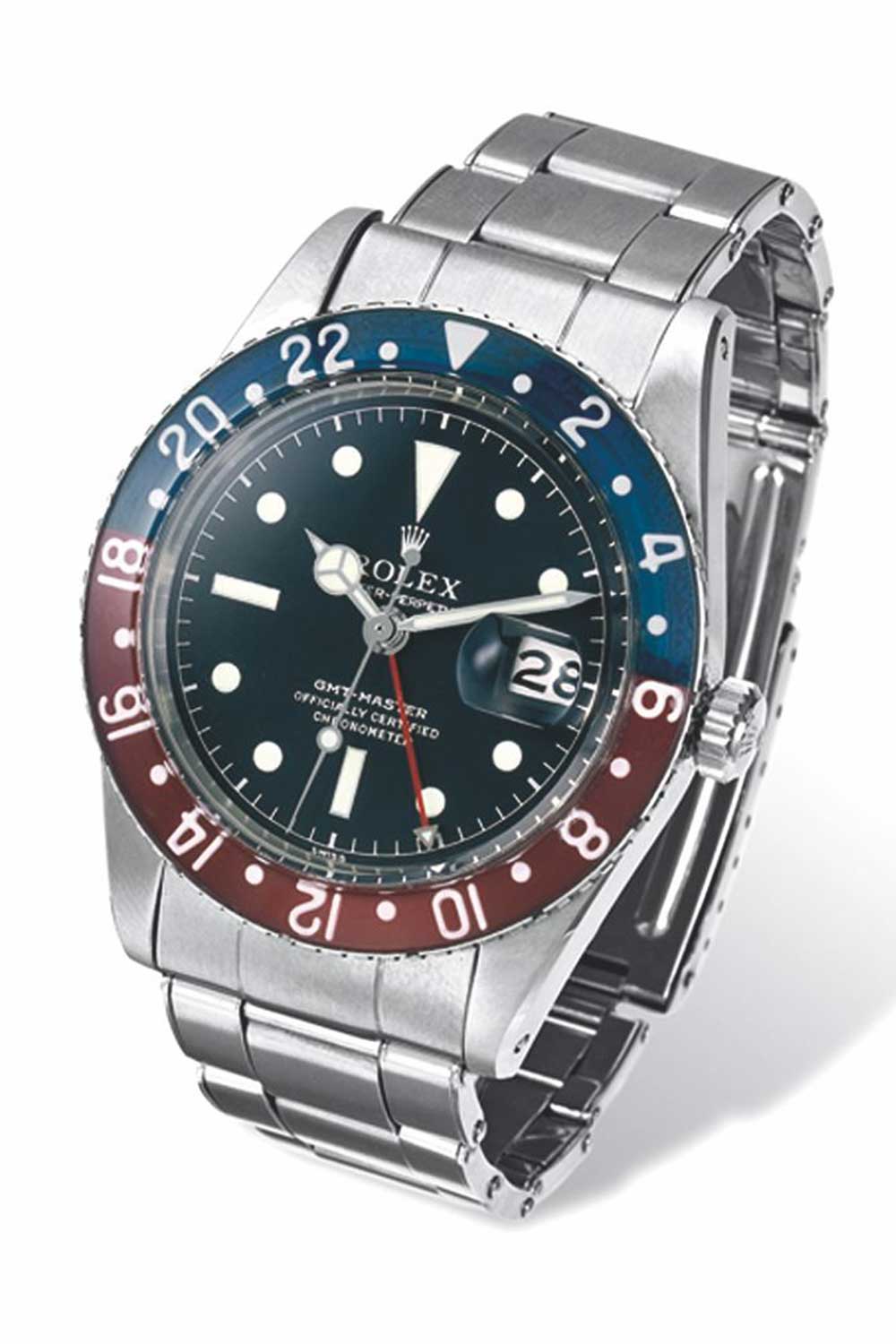
- Rolex GMT-Master Ref. 6542 was launched in 1955
-
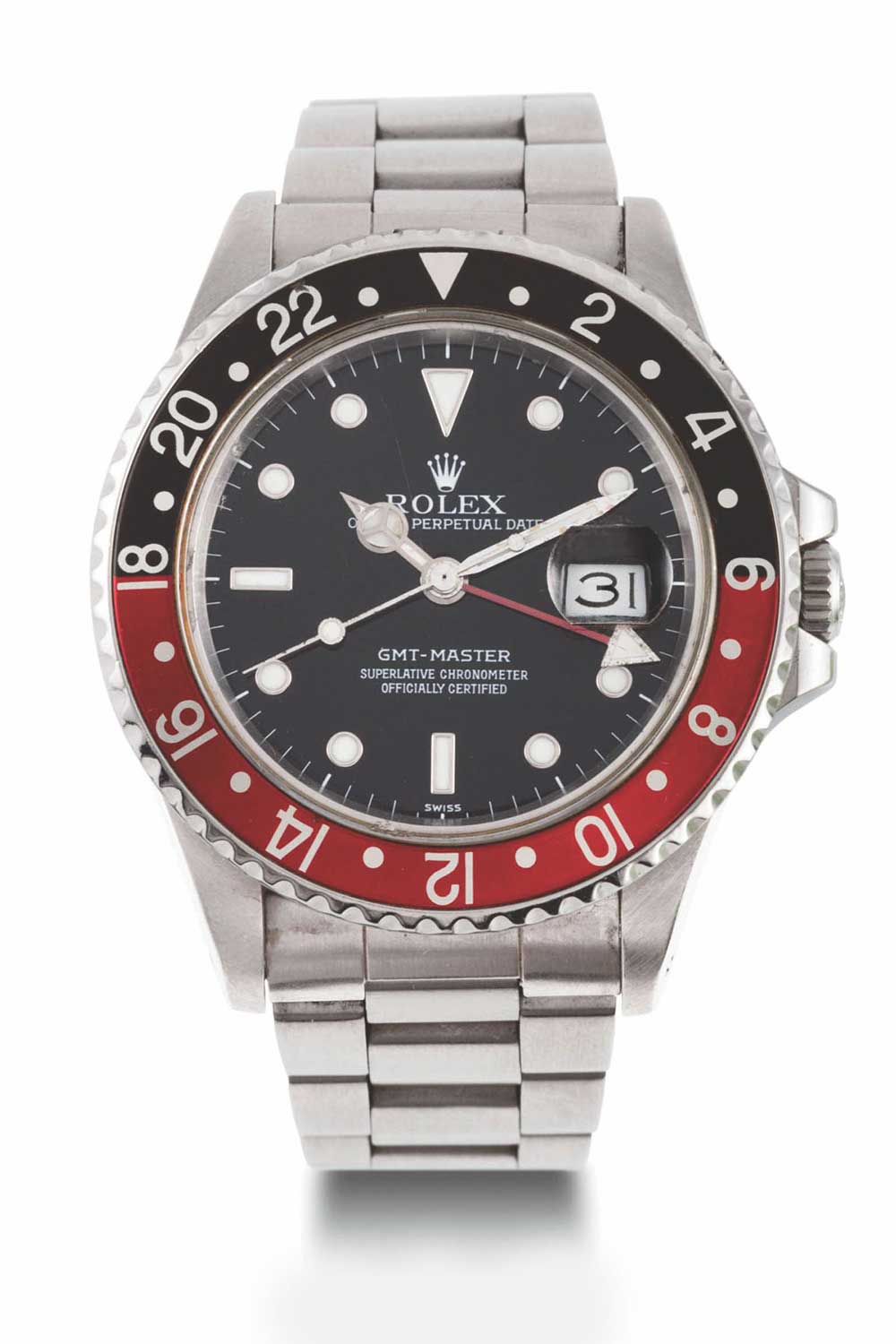
- Ref. 16760, aka “Fat Lady,” was the first GMT-Master II
In 1982, the Rolex GMT-Master became the GMT-Master II with the Caliber 3085, which introduced an hour hand that could be adjusted independently in one-hour increments and without stopping the watch.
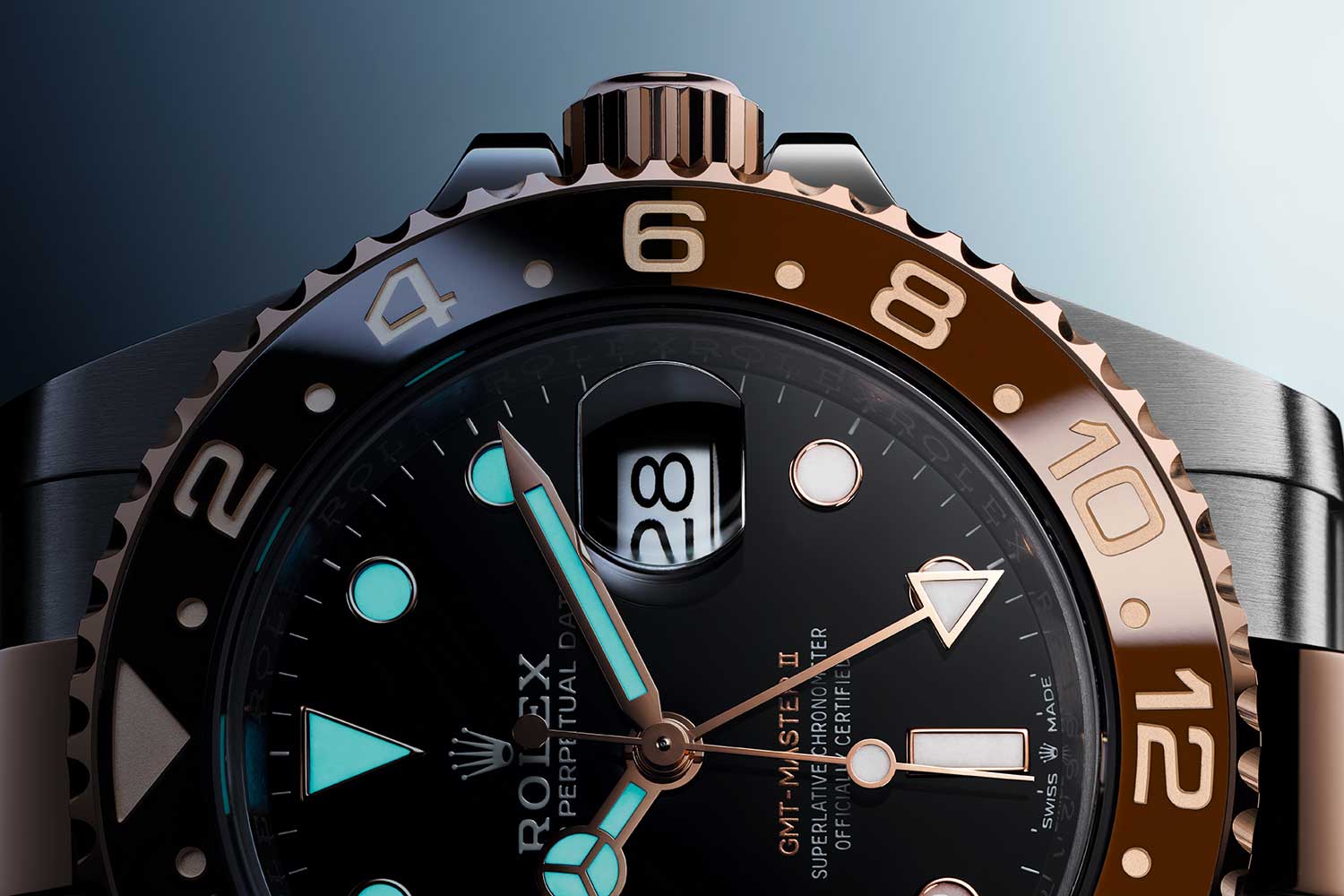
The GMT-Master evolved into the GMT-Master II in 1982. Powered by the game changing caliber 3085, it featured a local hour hand that can be set separately from the 24-hour hand without stopping the watch
Today, the GMT-Master II is powered by the Caliber 3285, featuring Rolex’s patented Chronergy escapement that is fitted with the blue Parachrom hairspring. It boasts a power reserve of approximately 70 hours, certainly a welcome boon for travelers.
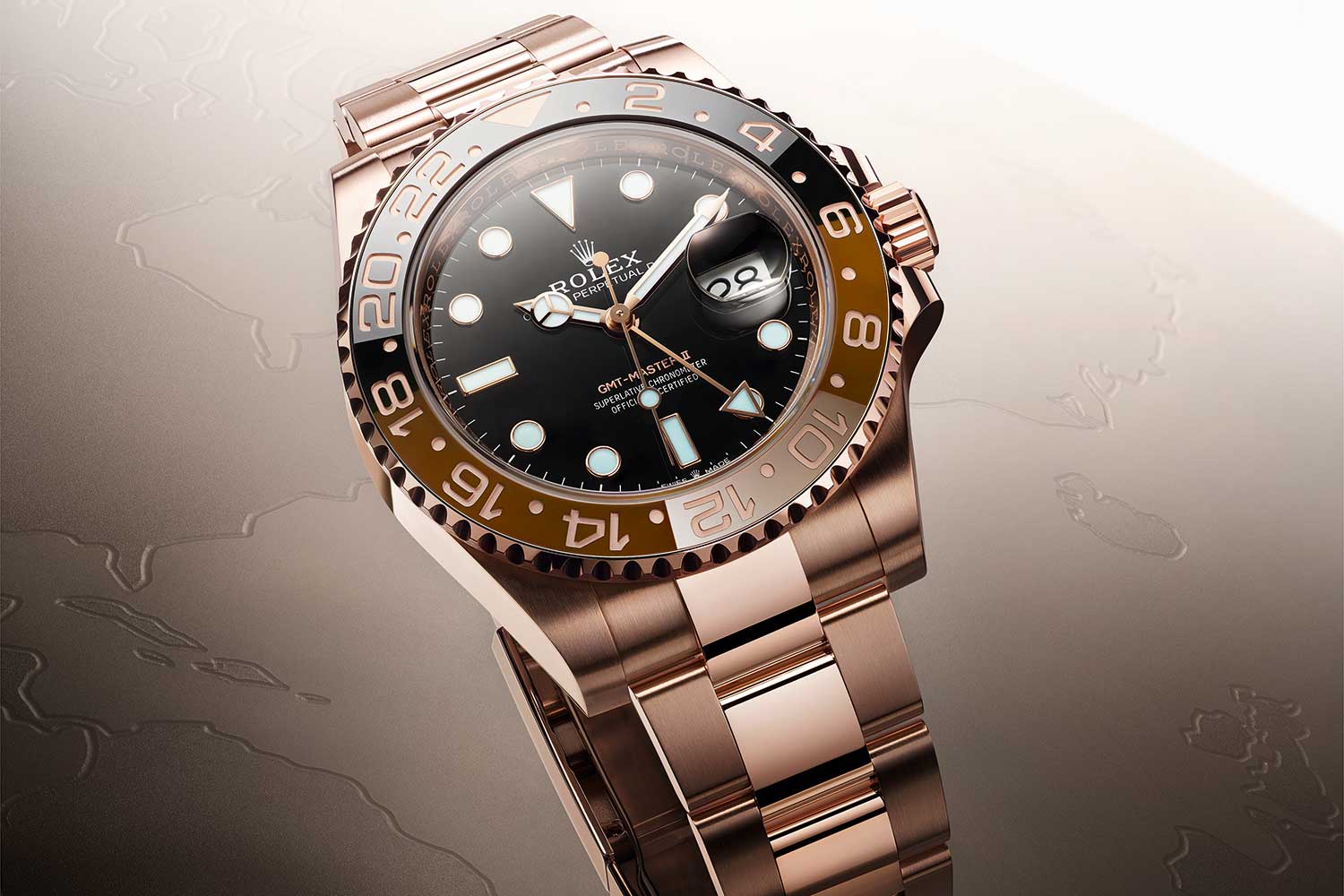
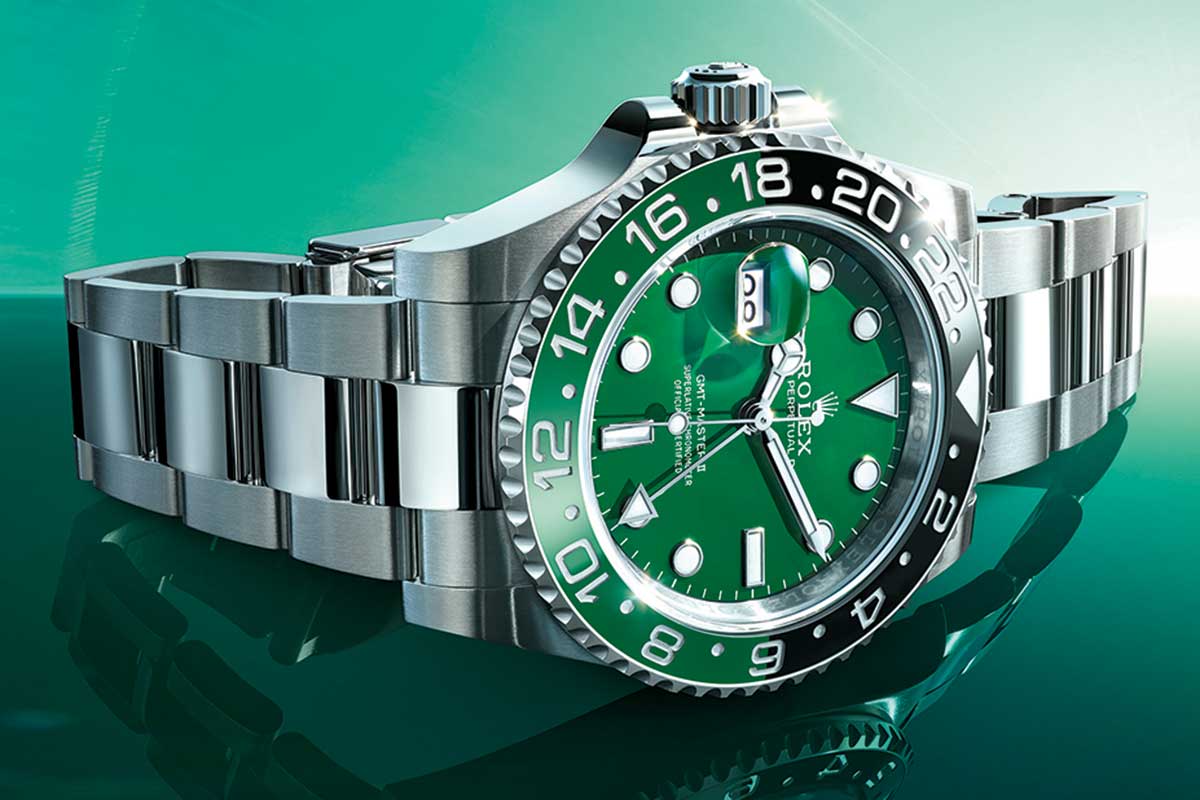
The GMT-Master II is the first Rolex to be fitted with a virtually scratch proof Cerachrom bezel insert in high tech ceramic
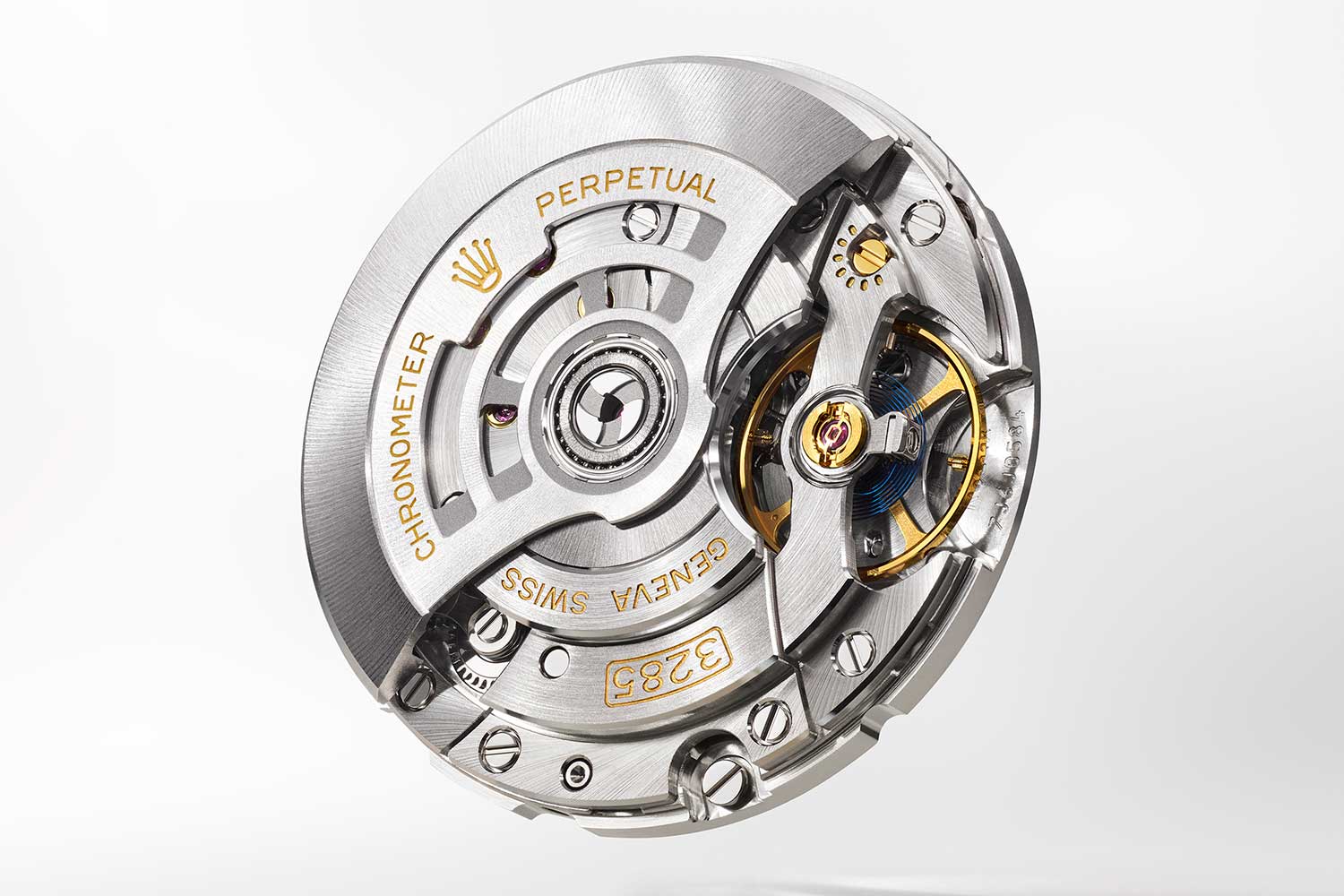
Today, the GMT-Master II is powered by the caliber 3285, which features Rolex’s patented chronergy escapement, parachrom hairspring and paraflex shock absorbers
At the exhibition, thematic panels chronicle the milestones in the evolution of this iconic watch, from its earliest Plexiglas bezels to today’s high-tech Cerachrom. Other milestones highlighted include the Jubilee bracelet’s elegant return in 2018 and the luminous Chromalight display refined in 2021 for even greater legibility on long-haul flights or night crossings. The exhibition culminates in a short documentary film that traces the journey of the GMT-Master. Of course, visitors will also get the opportunity to get up close to the various iterations of the GMT-Master II currently available in the Rolex catalog.
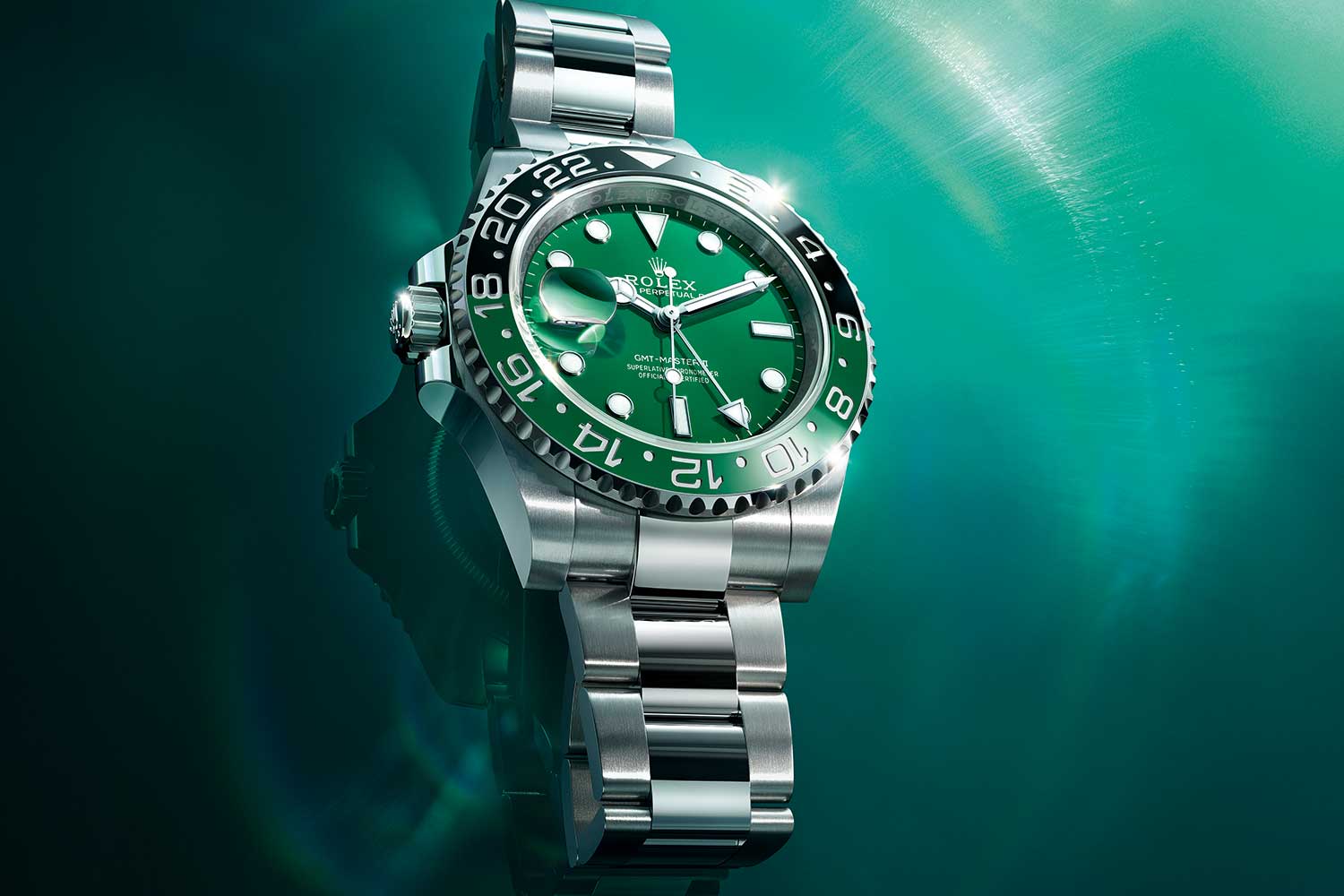
This year, Rolex introduced its first ever ceramic dial on this Rolex GMT-Master II. It also features a winding crown on the left side, which was launched in 2023
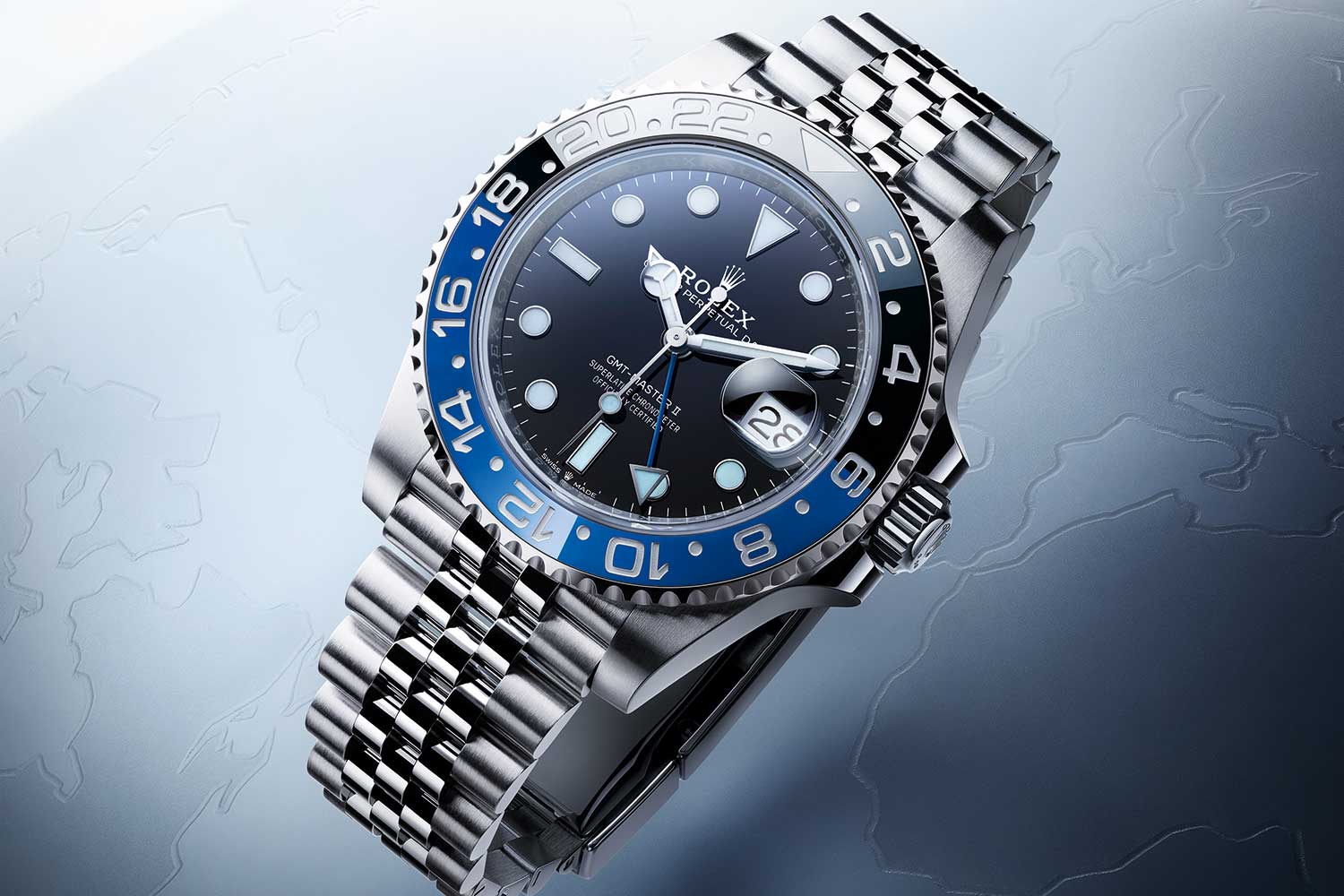
The GMT-Master II is the only Rolex professional watch to be offered with a Jubilee bracelet, alongside the traditional Oyster bracelet iteration
Beyond the glass cases and luminous displays, the exhibition also pays tribute to the people who wore the GMT-Master through the decades — pilots of Pan Am, astronauts, actors, artists and explorers. Their stories illustrate how a watch originally conceived for aviation has become a universal companion for those who live life across borders. Indeed, over the decades, Rolex’s most cosmopolitan creation has remained both a technical tool and a cultural symbol.
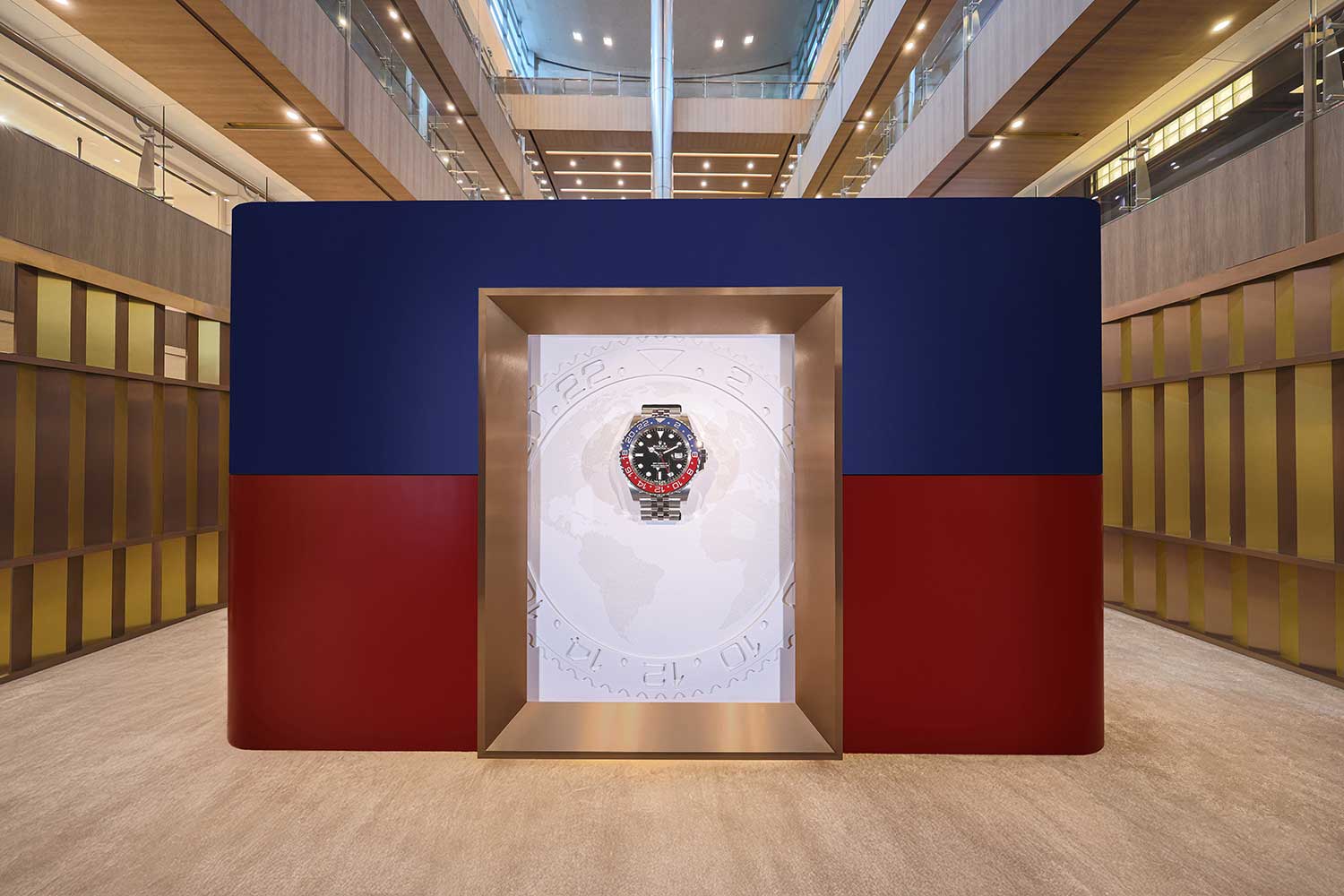
Rolex and Cortina Watch present Time Zone to Time Zone
Time Zone to Time Zone, an exclusive Rolex and Cortina Watch exhibition featuring the Oyster Perpetual GMT-Master, is now open at Paragon, Level 1, Main Atrium until November 2, 2025.
Rolex

You may also like

People
John Wayne: Hollywood’s Ultimate Cowboy and His Watch Legacy
Jul 25, 2025
People
John Wayne: Hollywood’s Ultimate Cowboy and His Watch Legacy
Jul 25, 2025

Editorial
Oasis Reunited — Will Liam Gallagher’s Watch Game Return Too?
Jul 23, 2025
Editorial
Oasis Reunited — Will Liam Gallagher’s Watch Game Return Too?
Jul 23, 2025
Editorial
Editorial: What The 1908 “Settimo” Says About A Changing Rolex
Jul 2, 2025
Editorial
Editorial: What The 1908 “Settimo” Says About A Changing Rolex
Jul 2, 2025