

Jay Jay French: Twisted Sister Rock Star On Building A Million-Dollar Guitar Collection And Why Watches Are Next
Interviews
Jay Jay French: Twisted Sister Rock Star On Building A Million-Dollar Guitar Collection And Why Watches Are Next

After thousands of gigs, a dozen albums, platinum sales, MTV-featured videos and a bestselling book, John French, a.k.a. Jay Jay French, founder and lead guitarist of heavy metal legends Twisted Sister, it was destiny: he’s been a collector for decades.
Not just any collector: in addition to a world-class assemblage of guitars, French hoards rock memorabilia — including a staggering run of Fillmore East concert programs thanks to attending nearly every gig — and by extension vinyl records and the exotic hi-fi equipment on which to play them. More recently, though, French has been enamored of wristwatches.

French with his Tudor Pelagos and a 1957 Les Paul Special
For French, it began with vinyl, then guitars, which is unsurprising as music has been his life. He sympathizes with collectors. He understands the mindset because he shares it. “My niece collects Coca-Cola bottles. Apparently, she’s got the largest collection of personally owned Coca-Cola bottles in the world — no kidding. She’s been featured in newspapers. She has 10,000 bottles of Coca-Cola from every corner of planet Earth. You know, this is just who we are.”
In addition to being Twisted Sister’s founder, he was also the band’s business brains, leading to off-stage career changes: motivational speaker, podcaster and now the author of Twisted Business: Lessons from My Life in Rock ’n’ Roll. Part band history and part “how to” guide, the book explains French’s methods for developing Twisted Sister into a global brand with multiple revenue streams. He also contributes to record-collecting bible Goldmine, high-end audio magazines, and Inc. com, and devotes time to his music podcast, The Jay Jay French Connection: Beyond the Music.

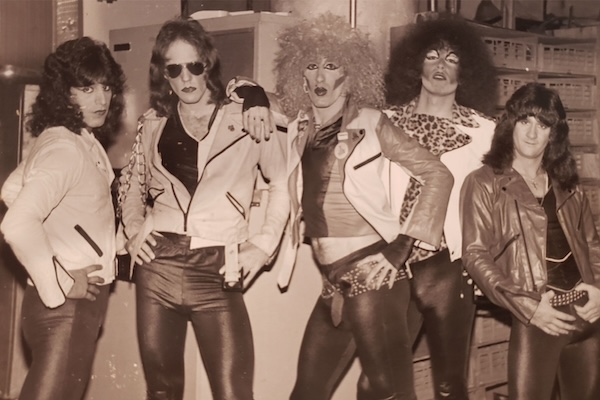
French (second from left) with Twisted Sister
French rattles off the numbers: “The band has been together since 1972. In our 53-year history, we’ve sold 35 million albums worldwide. We’ve played over 9,000 shows. We’ve headlined in 40 countries, and we have about, I don’t know, 30 gold and platinum albums around the world.” The band officially retired in 2016, but occasional reunions occur, while the income continues with reissued albums and the royalties from their two most-licensed hard rock anthems, “We’re Not Gonna Take It” and “I Wanna Rock.”
Retired or not, the band continues to court controversy, though of a different sort from its early “shock rock” days, when their look was somewhere in-between the New York Dolls and Alice Cooper, frightening the parents of America’s youth. Of late, controversy affecting Twisted Sister has been political.
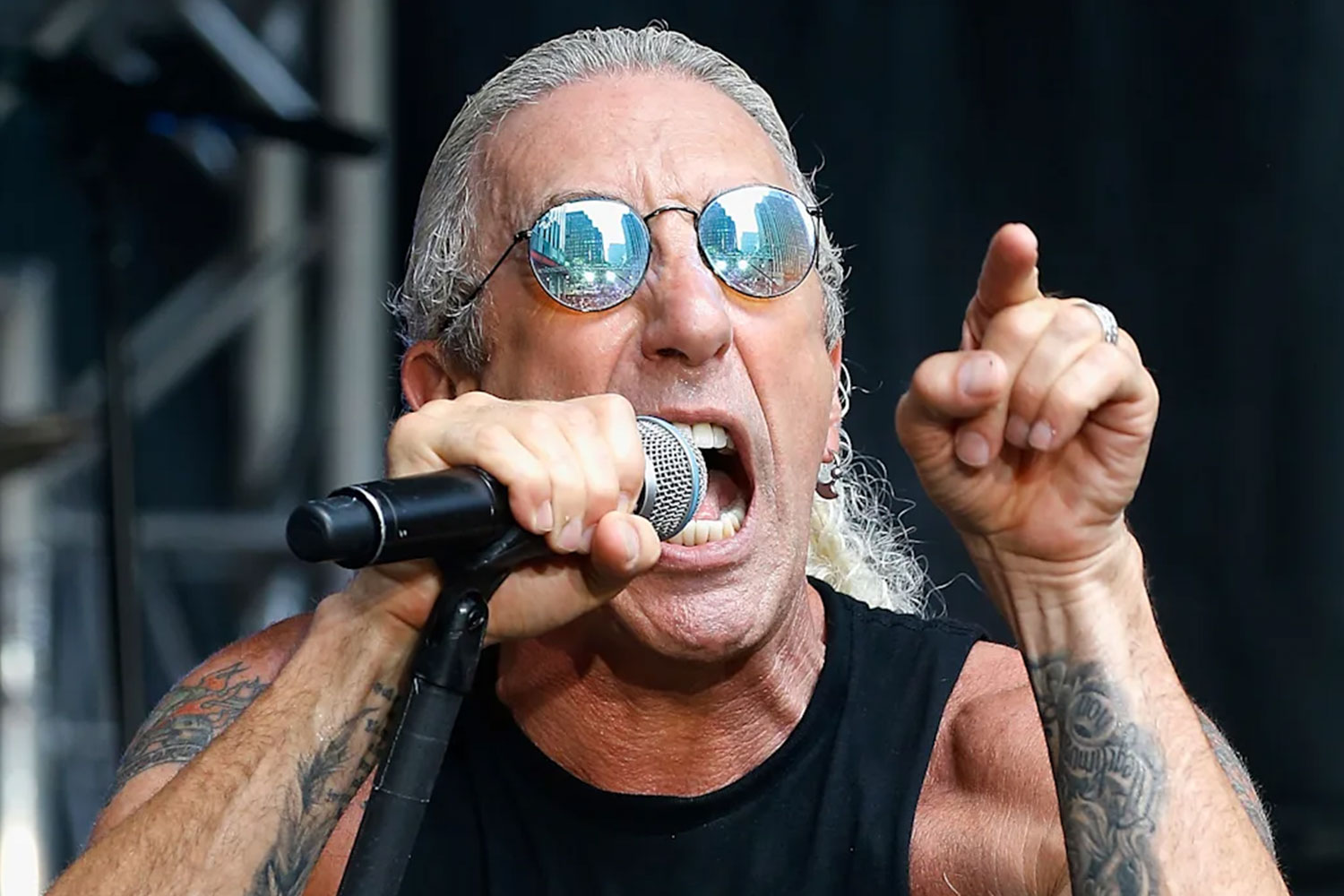
The lead singer of Twisted Sister, Dee Snider, is an outspoken advocate for justice and free speech since he famously testified at the PMRC hearing in 1985
All it took was lead singer Dee Snider kicking off over Donald Trump’s MAGA followers in 2022, which returned the band to the news pages. Snider expressed how he felt about Arizona gubernatorial candidate Kari Lake and other Trump-supporting Republicans using “We’re Not Gonna Take It” at their campaign rallies. Dee tweeted, “Attention QANON MAGAT FASCISTS, every time you sing ‘We’re Not Gonna Take It’ remember it was written by a cross-dressing, libtard, tree hugging half-Jew who HATES everything you stand for. It was you and people like you that inspired every angry word of that song.”
French says, “Dee is very much aligned on the left politically. Don’t forget: Twisted Sister was accused of destroying the morality of American youth back in the 1980s, but the irony of Twisted Sister being accused of destroying the fabric of America was that Twisted Sister was also the straightest rock band in the history of heavy metal.”
As for Snider’s outrage, part of it is the helplessness recording artists experience about who uses their songs, and how they use them. Says French, “When Neil Young, Bruce Springsteen, all of these other guys bitch about a politician, how they don’t like them using their songs, it’s basically just posturing, because they can’t really take out an injunction.”
Does this rocker actually use his $20,000 guitars on tour?
With grueling schedules, studio sessions and interminable air travel no longer taking up all of his time, and fitting in between speaking gigs and recording podcasts, French has the freedom to indulge in his collecting mania. “I knew, back when I was 10, 11, 12 that records would probably matter. So I started collecting them and cataloging them because I’m just that kind of a person. I’m kind of an archivist. I think that’s a fundamental part of the collector mentality.
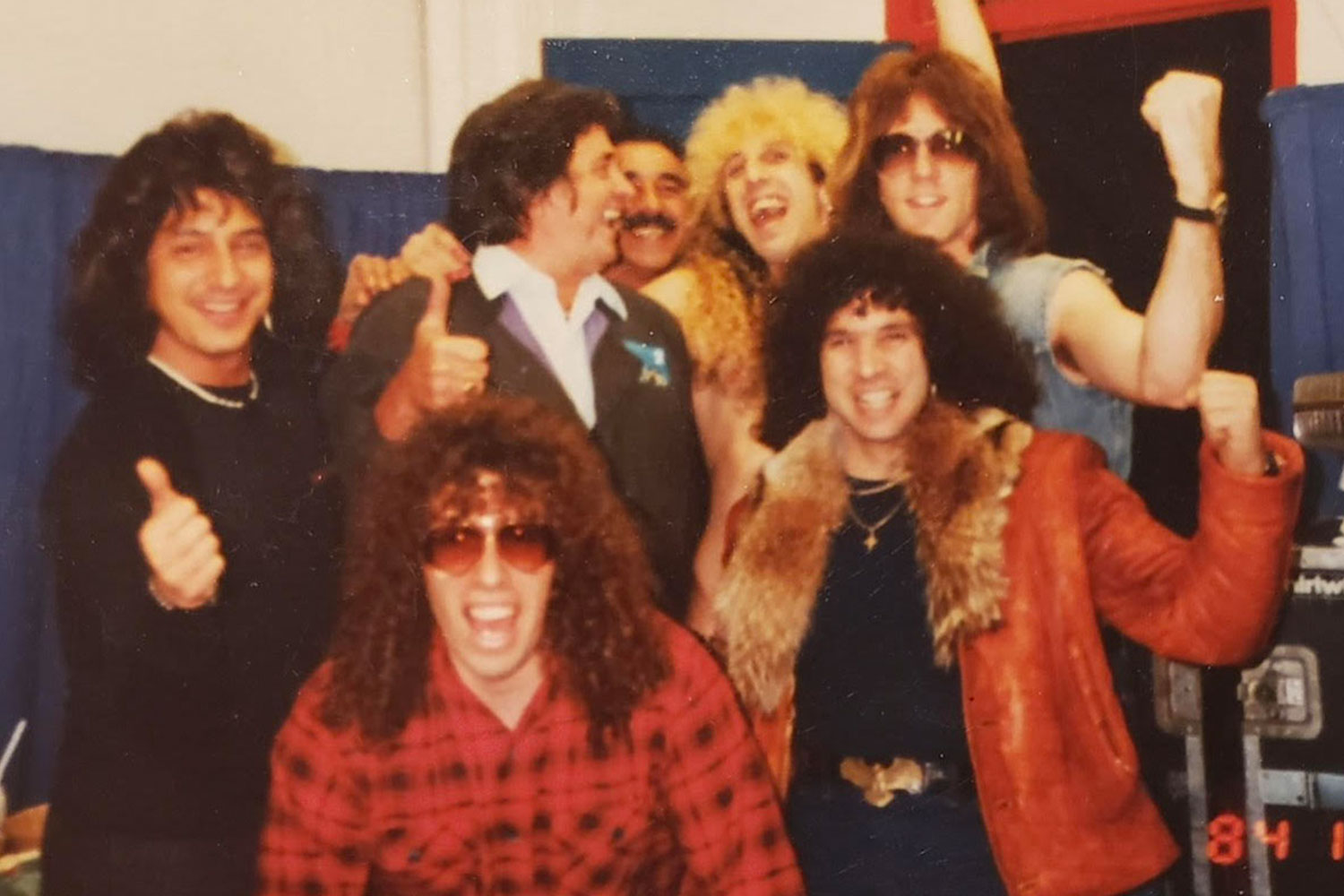
French (in a wristwatch) with his bandmates and Johnny Cash at Maple Leaf Gardens, Toronto in 1984
“Let’s move forward a couple of years, when the Fillmore East opened and I started to go to all these concerts. I thought to myself, wow, my generation is really amazing. Maybe it’s going to matter to talk about this in 30, 40, 50 years. So let me start collecting and saving all my programs, all my ticket stubs. Let me start cataloging every show I go to. And I did.
“I have a list of all the shows. How many hours the [Grateful] Dead played. I mean, this is crazy stuff that speaks to my collector mentality. So, when you come to my house, I pull out a master book and show you all my programs. You’ll say to me, ‘How the hell did you do that? Were you tripping most of the time?’ The answer is, yeah. I was on acid the whole f**king time. But I was smart enough to think that this mattered, so I kept them.”
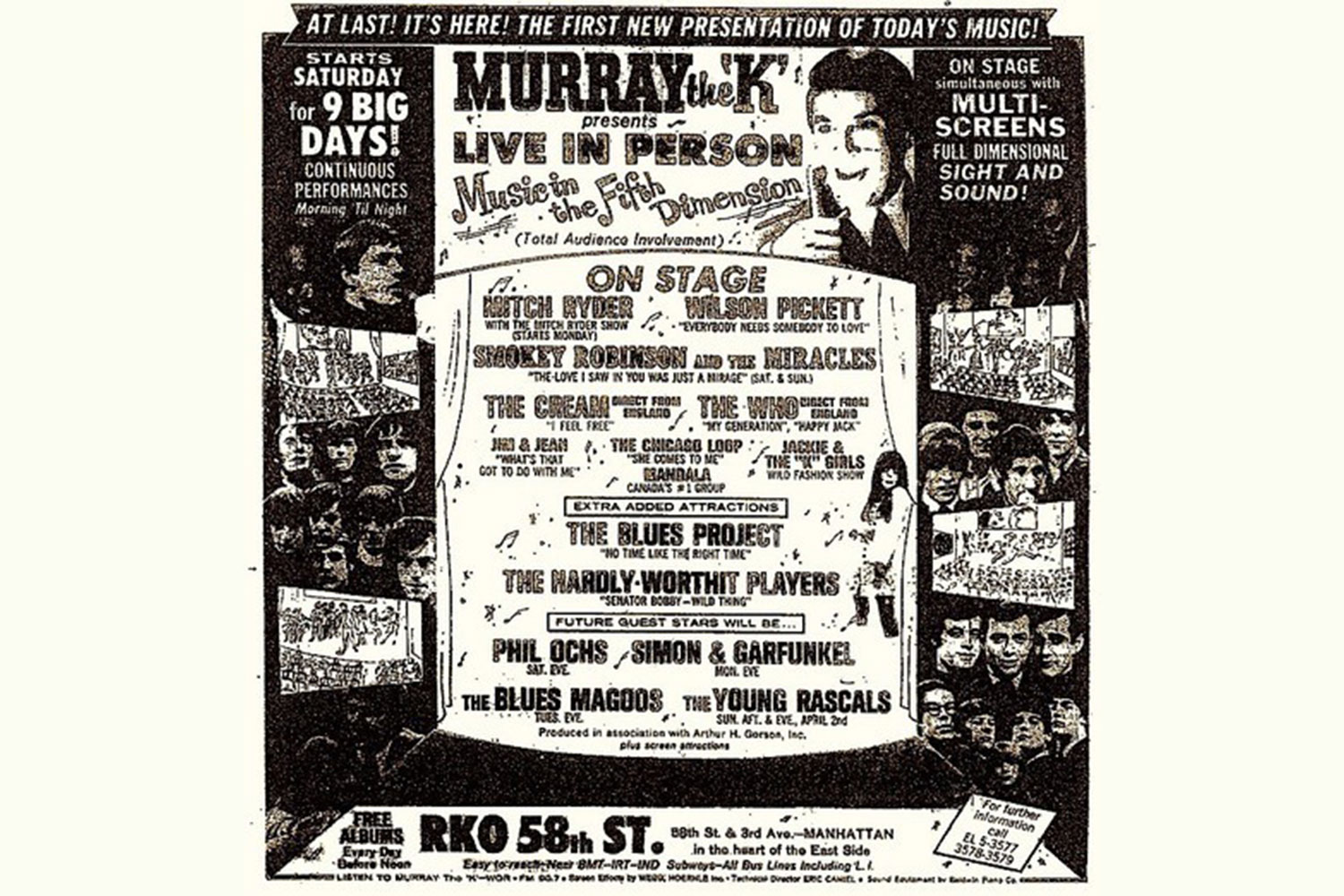
The Murray The K program on March 26, 1967 at the RKO Theater in NYC
For any rock music fan, French’s archive is breathtaking. He pulls out his original Murray the K Show 1967 RKO Theater program, in which The Who and Cream opened for Wilson Pickett. “I’ve got the program from [the 1967 show] and I have the ‘Happy Jack’ EP that The Who signed. They were walking around Central Park and my friend Michael and I went up to them as they were walking around the meadow.
“Remember, this is 1967 so I’m not really clear what happened, but we handed the band the British EP and they all signed it — Keith Moon, Pete Townshend, Roger Daltrey and John Entwistle. But here’s the best part. Entwistle turns the sleeve around, and he sees ‘Whiskey Man,’ which is a song he wrote. And under the composer, it said ‘Daltrey.’ He crossed out Daltrey’s name and wrote ‘Entwistle’ over it. If you’re a fan, that matters.”
Simon and Garfunkel. Mitch Ryder and The Detroit Wheels. The Young Rascals. Rock legend after rock legend, French saw gig-upon-gig and has the programs to remind him. “But then I started reading Zap Comix, and I became obsessed with them, so I collected all the originals and all the original Fabulous Furry Freak Brothers comics, and I have a whole stack of original art from them. Why? I don’t f**king know.”
Next came the guitars. “I bought my first guitar in 1967, a Fender Telecaster, and I bought it for $135 or $140, brand-new on 48th Street. I sold the guitar about six months later. That same guitar today would sell for about $20,000. Of course, I now have a 1966 mint Telecaster that I bought 10 years ago when they were going for $10,000. It serves as a commemoration for the stupidity I had selling my original one.”
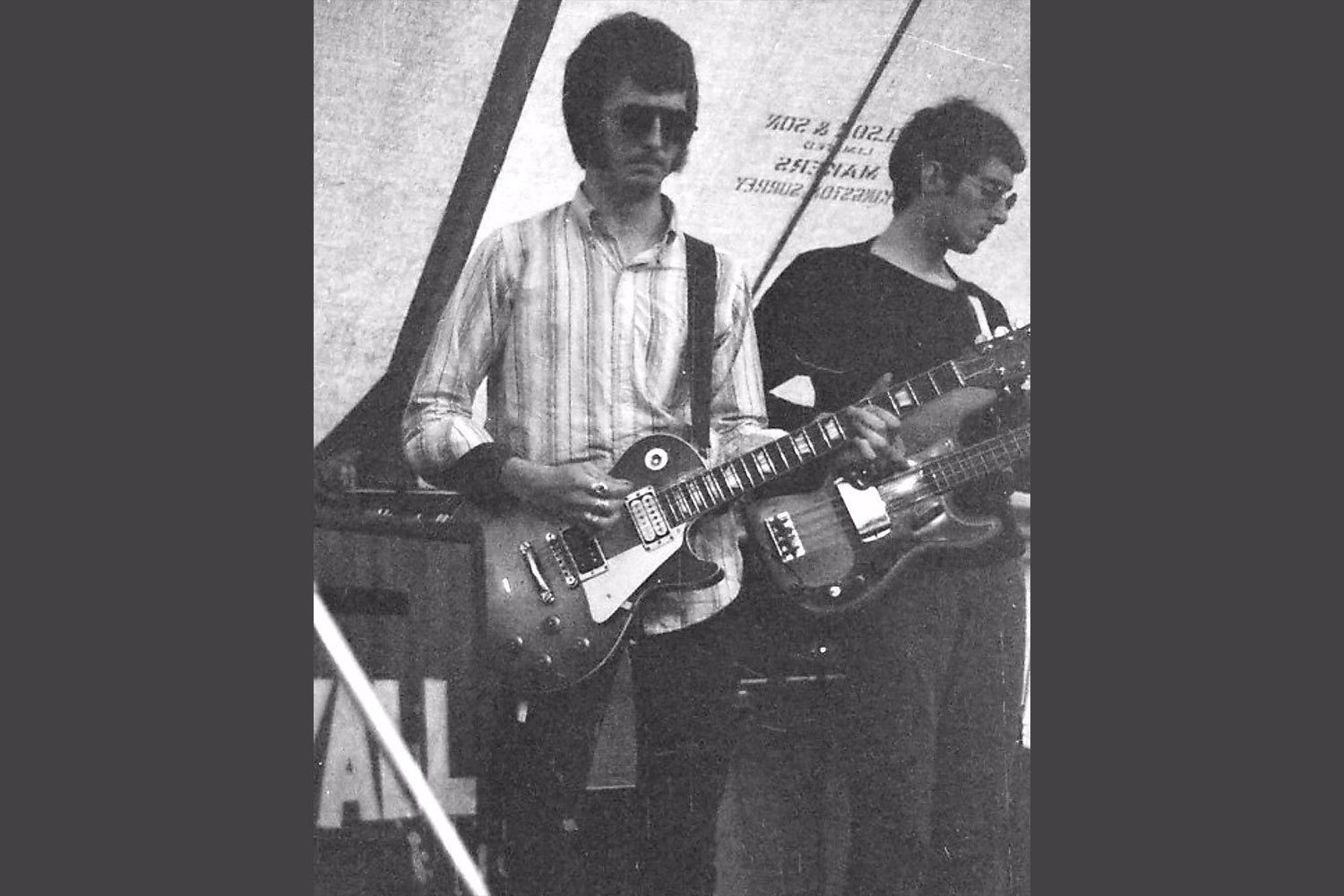
One of the last sights of Eric Clapton playing his first Gibson Les Paul Standard
French still rues the day he sold his first guitar. “Why did I sell it? I wanted a Gibson Les Paul because Eric Clapton played one. I bought a Les Paul Jr. from a junkie in Central Park on May 1, 1970. The reason I know the date is because I was so paranoid that I was buying from a junkie that I made him sign a receipt.”
After Twisted Sister grew successful, French was able to indulge in guitars, not just because of financial freedom but also through travel, fame and his connections in the rock world. “So, the guitar thing goes on. My instincts were correct. I collected a massive number of vintage guitars, and I was pretty much right all the way down the line. That is an inherent talent, trying to figure out what you like that the public discerns as valuable.”
-
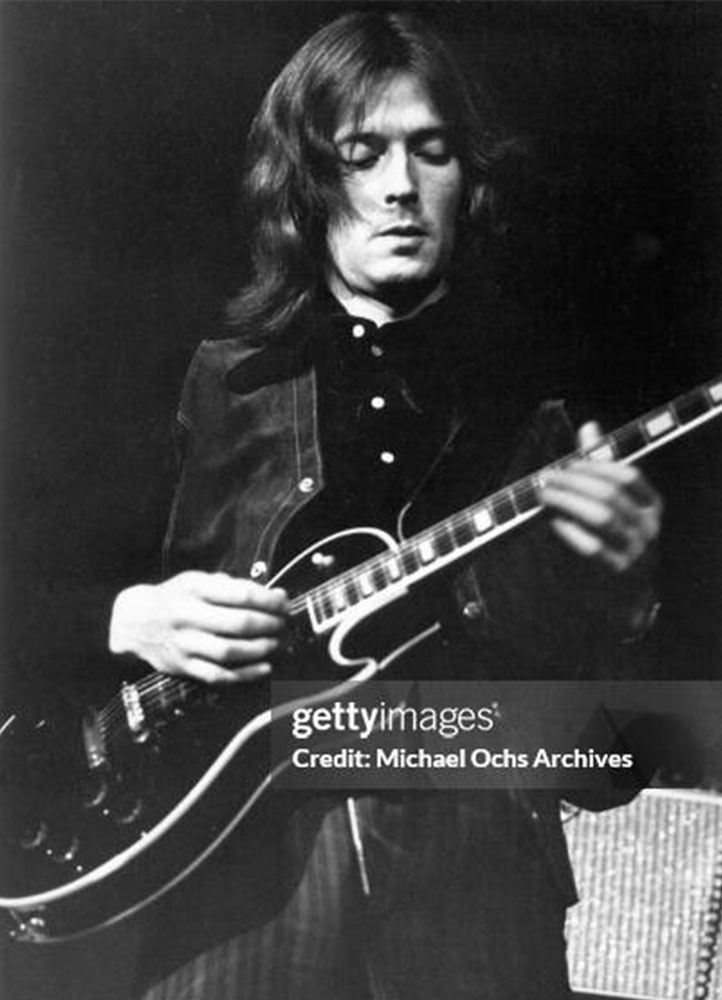
- Rock and roll guitarist Eric Clapton performs onstage with a Gibson Les Paul electric guitar in circa 1974. (Photo by Michael Ochs Archives/Getty Images)
-
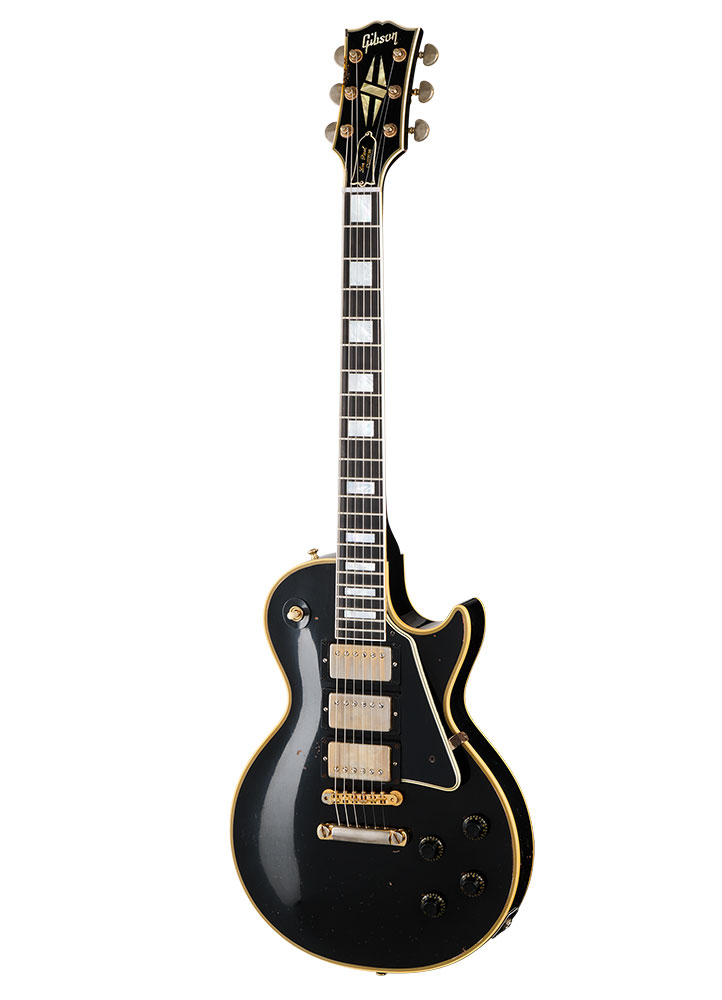
- A Gibson Eric Clapton 1958 Les Paul Custom replica
At the level of guitar collecting where French exists, the prices are staggering as are the risks, so values become a major consideration. French explains it’s “because in the back of your mind you’re saying to yourself, well, maybe one day I’ll sell this. But more importantly, I want to have something that has a value now.”
With French’s collection of Gibson Les Pauls so valuable, does he play them? “I use one. The rest of them, I just keep in storage, like most guitar players do. I mean, look, how many pairs of shoes can you wear? I buy mint versions because I know they’re going to be worth more.”
When French performs live with Twisted Sister, he uses guitars made by Gibson-owned Epiphone. “Epiphone Les Pauls retail for $400 and they’re perfectly fine, perfectly great tools. If I go on tour with them and they’re stolen, destroyed, whatever, I could care less. I don’t even insure them. I give them away at the end of my tour to my road crew or donate them to a charity.”
He’s been following the guitar market ever since guitars started to become collectible, with commensurate values. “If you take a timeline of collectibility in the guitar market from 1972 to today, except for one period, which was the crash of 2008, it is a trajectory that has beaten the stock market. 2008 was the first time that the market dipped in the 50 years that I’ve been collecting. And it dipped for a short period of time, but it recovered, and now it’s hotter than it has ever been. It’s f**king crazy. It makes no sense to me. “I always say to myself, it’s got to end, because all these guys are dying with these incredible collections. If they stick their collections out there, it’s going to bring the market down. Logic tells you the market is going to be watered down by, for example, [Cheap Trick’s] Rick Nielsen when he dies or whoever,” says French, making reference to Nielsen’s gathering of more than 500 guitars. “I can’t tell you why they keep getting more valuable.”
The story behind his spontaneous $5,000 chronograph purchase — and how it opened the floodgates
As volatile as guitars is watch collecting, which French has now added to his repertoire. “Fifteen years ago, I was in a John Varvatos clothing store. I was back from tour with a lot of cash in my pocket and I wanted some ‘rock-and-roll’ clothes. I’m walking through the store, and they had a display of watches in a glass case, and I had no idea what I was looking at. Zero. I had no knowledge of anything other than knowing the name Rolex. I had a Seiko that my dad gave me in 1974. Other than that, nothing.

The Ernst Benz “Mario Batali” that started French’s horological journey, and a rare Fender Telecaster with mahogany body from the early 1960s
“I see an Ernst Benz watch, and it’s the Mario Batali [named for the famous chef]. And I thought, ‘I like the color. It looks kind of cool.’ I had no idea what 42mm or 37mm meant. I had no idea what anything meant. And I go, ‘how much is it?’ They go, ‘five grand.’ I was in the mood to buy, so I bought it. It’s a chronograph, and I didn’t even know what that meant or what to do with it. That pretty much was it until about four years ago when I met a guy who is an obsessive watch collector. He became a personal friend of mine and I thought, I could get into watches because I love turntables, I love things that turn around. I love mechanical things that are anachronistic.”
Inevitably, French’s new friend took him to a watch show. “All of a sudden, I’m in a world that I don’t know and I’m seeing names like Greubel Forsey, Vacheron Constantin, Moritz Grossmann, A. Lange & Söhne, and you can walk up to these people and have a conversation. I’m like, ‘How much is that watch?’ And I’m hearing ‘Oh, that’s $40,000’ or ‘that’s $100,000’ or ‘that’s $250,000’ and, ‘Well, you know, we sell watches up to 2 million bucks.’
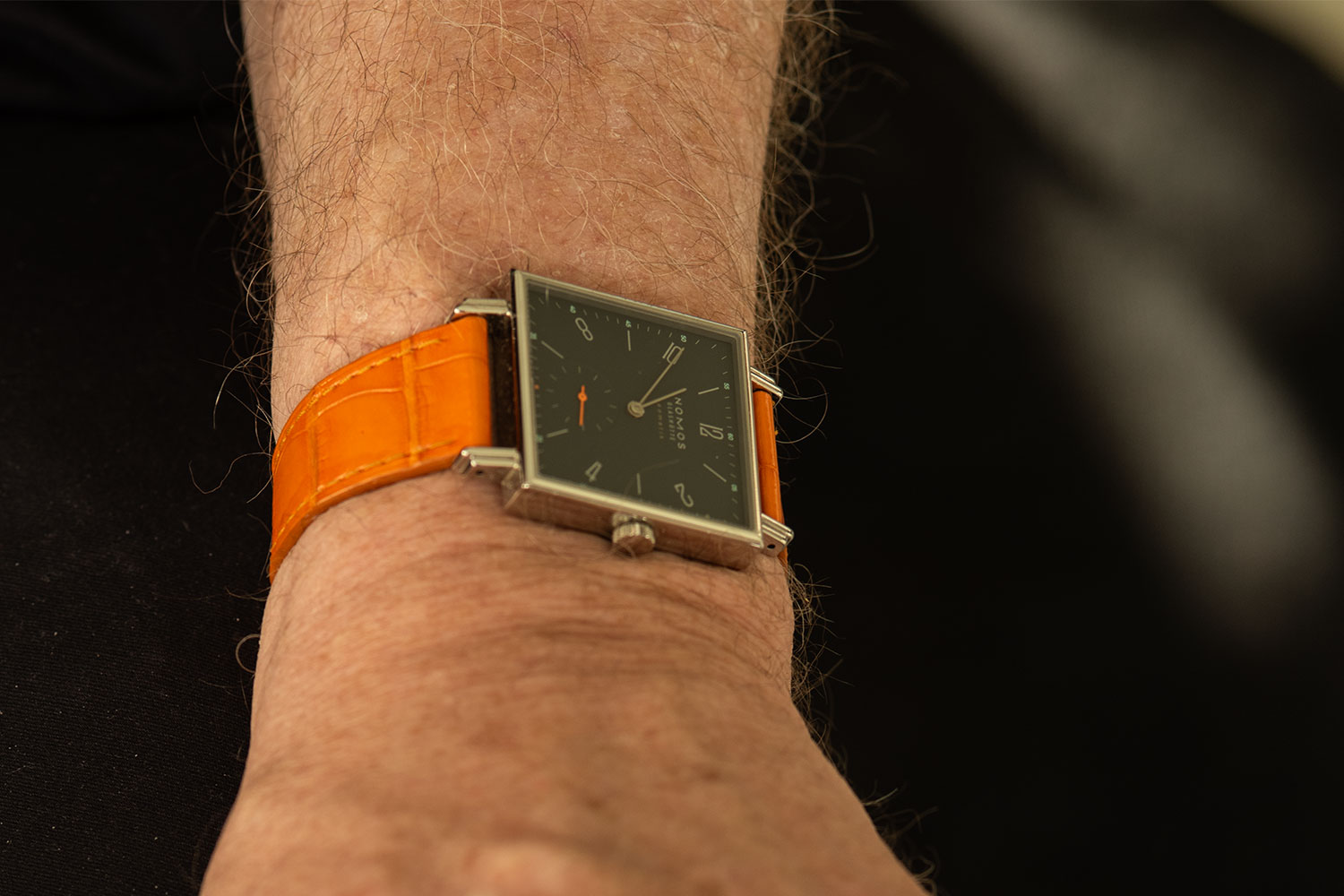
French’s Nomos Tetra
“Now you have to understand, I wasn’t shocked by this. I was just blown away that I was unaware of where this market was. It didn’t shock me, because when you get into the weeds of all this kind of luxury shit, you learn quickly. If you’re a car collector, you may never afford a Bugatti, but you have to know a Bugatti exists. And you have to know that they’re $3 million, $4 million, $5 million.
“This is exactly what happened. Immediately my brain goes right to cataloging and understanding why anything is worth what it’s worth. So, I bought a watch from that show — an Alpina that was $1,000.”

French’s Bulova Curv and the neck of a Fender Telecaster
As is French’s wont, he immersed himself in watch lore, starting with the basics. “I became really obsessed with the dials, then the movements and why manufacturers make the design choices that they make. And it all goes down to the ‘meat and potatoes.’ What’s meat and potatoes in the collecting world? It is Rolex. You start with Rolex to understand what it’s about. Like, why is Rolex positioned where it’s positioned?
“Now this is me. I didn’t know what a dive watch was. I didn’t know that there was a differentiation between dress watches, dive watches, this watch, that watch. Once I started to understand the positioning of Rolex, the Daytona, the Submariner, then all of the derivations … Then the world opens up. And then you wonder why Patek is what it is. And then I started to read about how many watches these companies make and how many they sell in a year. It just triggered in me the same collector desire to learn why things are, in the same way I’ve done with my guitars, the same way I’ve done with audio.

A Hanowa Deluxe from Twisted Sister’s ’80s heyday and a metal body resonator National Duolian guitar
“I’ve been into guitars and audio for 60 years. Watches, I felt I had to do some really fast reading, because I had to bring myself up to speed, because I didn’t have 60 years’ worth of watch collecting in my blood. But I will tell you this — my desire to understand and appreciate the technology of why these high-end watches are constructed was no different. I’m in serious awe of the whole idea of them.”
In his short time as a watch enthusiast, French has acquired “probably 20. I have a Rolex Submariner. I have three Tudors because I quickly learned that Tudors were like the Epiphone version of Rolexes.”
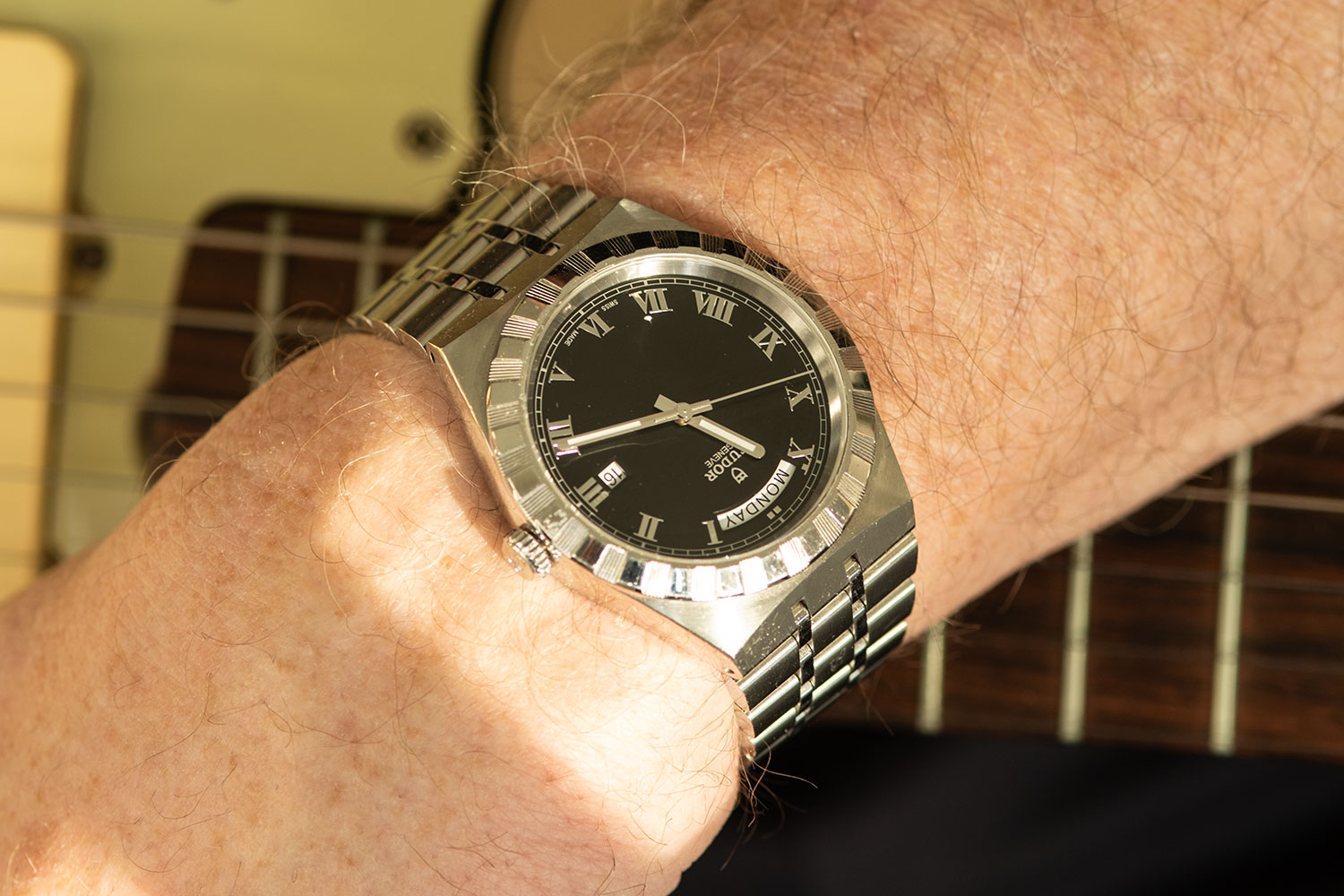
A Tudor Royal is paired with a Fender Jazzmaster in “Shoreline Gold” from the mid 1960s
Despite his status in rock, and 40 years of dressing in a style that blended glam tropes with heavy metal, French states that he is “not an ostentatious guy.” In the same way that he is happy to use Epiphone guitars on the road instead of his irreplaceable Gibsons or Fenders, he wears Tudors proudly “because Tudors are great damn watches. I have a Black Bay, a Royal and my latest one is a Pelagos and I love them. They’re magnificent pieces made by the same basic company, people and machines, and they say ‘Tudor,’ they don’t say ‘Rolex,’ so I don’t have to worry about getting killed over wearing it.
“I spend a lot of time in Mexico. Do you know what I wear in Mexico? I wear my Casio G-Shock because no one gives a shit. I have a 10-year-old G-Shock that’s beat to crap. Works perfectly and it probably keeps better time than any other watch I have because it’s attached to my phone which is attached to the atomic clock. So, I don’t worry about accuracy, I’ll wear the G-Shock all day long.”
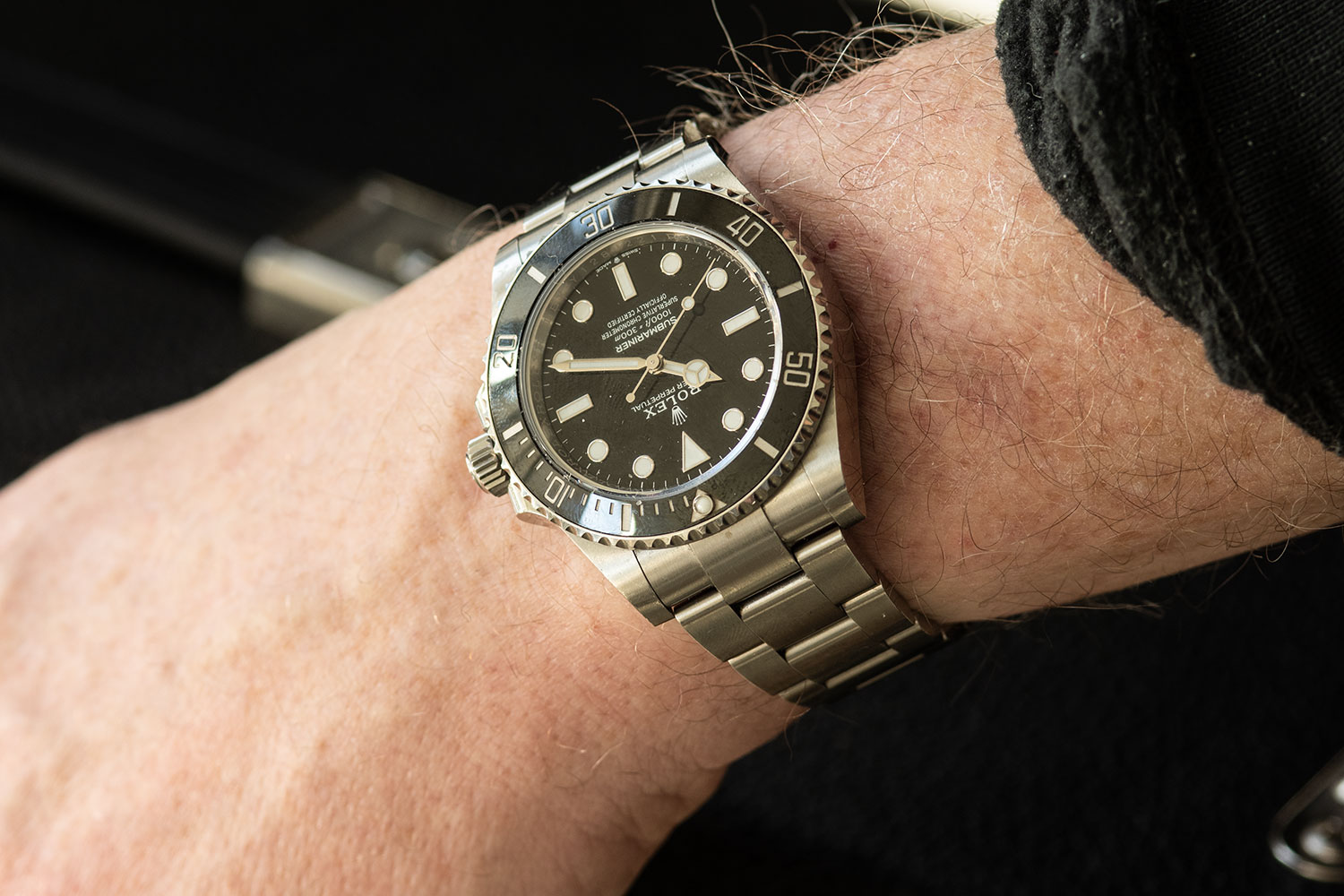
French’s Rolex Submariner and a Pre-CBS Vibrolux non-reverb Fender amp
At the urging of his wife, French treated himself to the Rolex Submariner, but he was not interested in suffering the waiting lists. French’s wife went to college with a woman who’s married to the owner of one of the oldest Rolex dealers in the United States, “and we’re having dinner one night. And I looked at him and I said, ‘Is it really true that somebody has to wait two years?’ He said to me, ‘John, I have 4,000 orders for Rolexes, and I only get 1,000 watches a year’ and this is just one store. His wife looked at him and said, ‘So in other words, if John wanted a Sub, he’d have to wait two years?’ He looked at her and said, ‘No, he wouldn’t.’ So she said to me, ‘Do you want a Submariner?’
“A couple months later, I get a phone call, ‘Your Sub has arrived.’ Black, no date, very simple, a great watch, but do I enjoy wearing it? The problem is, it’s a statement more than anything else, and I’m too self-conscious about it, which is weird, right? Because it’s just a watch, but it makes me feel weird to wear something that’s a statement. So, what did I do? I bought a bunch of inexpensive Bulovas and other dive watches that cost like, $1,000, look great and keep good time and I wear them pretty frequently, because no one pays any attention.
“The drug addicts and the dealers, they all know what a Rolex looks like. If you’re wearing a Timex or a Citizen, they don’t bother you. They don’t look at you. So, I have a Rolex. I wear it once in a while. It’s a damn great watch. I love it. But am I obsessed with owning a Daytona? Am I obsessed with owning any other model of Rolex? You know, watches are watches, they’re tools and as I’m comfortable enough to play a $400 Epiphone Les Paul in front of 100,000 people, I’m comfortable enough to wear a Tudor or a Seiko over a Rolex.
“However, I immediately entered the Omega world of Co-Axial movements. And I quickly joined the Grand Seiko world, because if you’re going to match quality for quality, dollar for dollar, Grand Seiko makes a fine watch.”

A Bulova automatic 96A107 skeleton dial that was gifted to the band in 2013 and a Gibson ES335 12-string guitar
When asked if there are any other watches he might consider buying, French says without hesitation, “absolutely Grand Seiko, without a doubt, I think their mechanics are wonderful. Then, of course, there’s Credor, which takes Grand Seiko to the next level. So, from a collector’s standpoint, I would look at a Credor, or top-end Grand Seiko. I can also tell you this for absolute sure: I would without hesitation buy an A. Lange & Söhne Saxonia, which I came close to buying at that watch show.”
French is now past the point of no return. “It’s in my heart. I understand it, I appreciate it, the technology, the gears, the complications. They’re just mind-blowing to me. I just love them.”
You may also like
Interviews
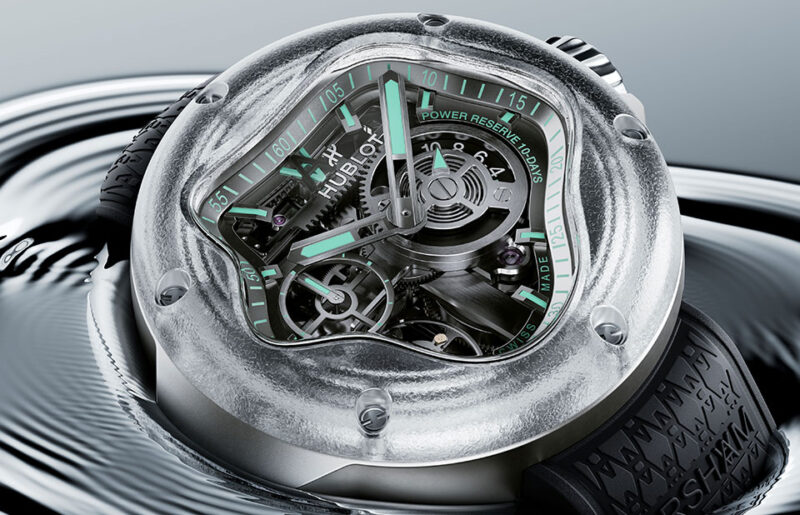
Daniel Arsham Debuts His First Wristwatch Design For Hublot In The MP-17 Meca-10 Arsham Splash Titanium Sapphire
Oct 9, 2025
Interviews
Daniel Arsham Debuts His First Wristwatch Design For Hublot In The MP-17 Meca-10 Arsham Splash Titanium Sapphire
Oct 9, 2025
Interviews
Gagà Laboratorio: A Swiss Watch Brand with Italian Soul
Sep 16, 2025
Interviews
Gagà Laboratorio: A Swiss Watch Brand with Italian Soul
Sep 16, 2025
Interviews
Geneva Watch Days: How It All Began
Sep 14, 2025
Interviews
Geneva Watch Days: How It All Began
Sep 14, 2025