

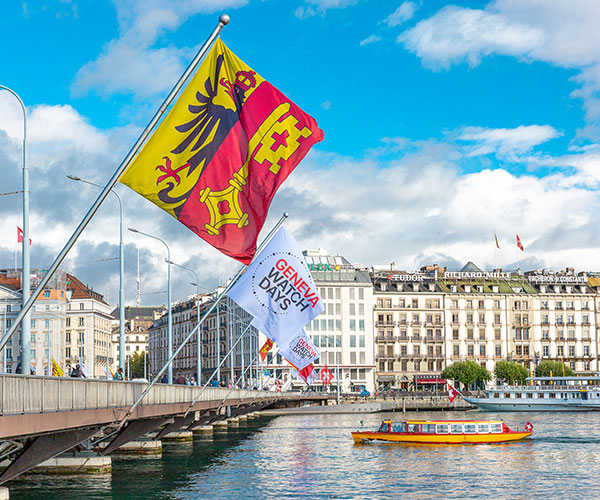
Geneva Watch Days: How It All Began
Interviews
Geneva Watch Days: How It All Began
In 2020, while the world grappled with lockdowns and uncertainty, a bold new idea quietly took shape in Geneva. What began as an emergency gathering of around 20 watchmakers has grown into one of the most vibrant and inclusive horological events on the calendar.
Jean-Christophe Babin, CEO of Bvlgari Group, CEO of LVMH Watches Division and President of Geneva Watch Days, talks to Revolution about the origins, evolution and future of the fair that changed the industry.
Geneva Watch Days started during a global crisis. What motivated you to launch such an initiative in 2020?
The watch industry was facing a major challenge. When Baselworld and Watches and Wonders were canceled due to Covid, it meant the sector would go without a major physical gathering for at least two years. That’s dangerous in our world. Unlike fashion, which has regular seasonal shows and a constant buzz, watches are only purchased occasionally. Without a spotlight, the industry — especially independent and smaller brands — risked losing visibility and momentum. I knew we couldn’t let that happen.
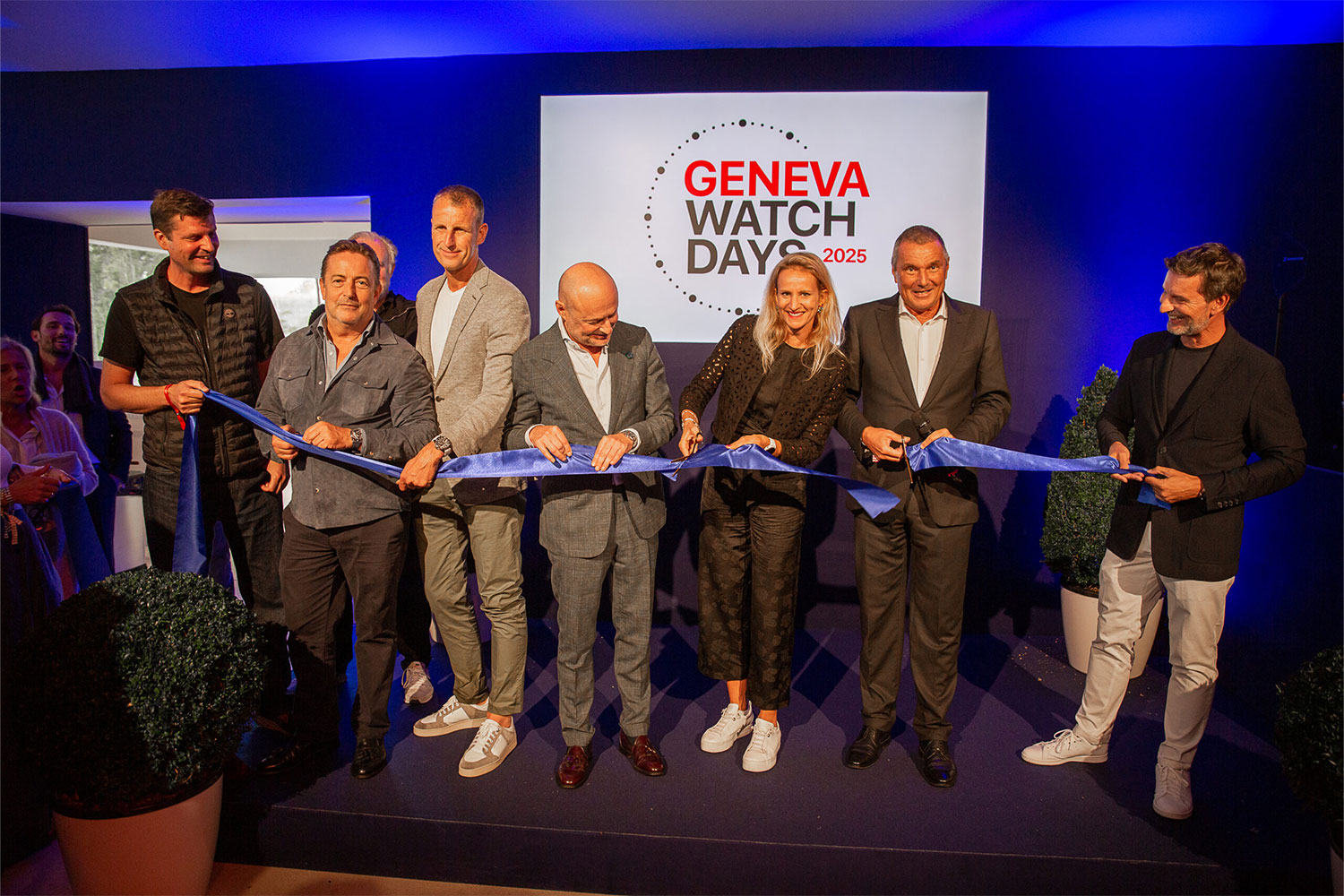
Geneva Watch Days founding members (from left): Felix Baumgartner, Pierre Jacques, Patrick Pruniaux, Georges Kern, Delphine Bachmann, State Councilor in charge of the Department of Economy and Employment of the Republic and Canton of Geneva, Jean-Christophe Babin, Maximilian Büsser (Image: © 2025 Ivan Simeon)
At Bvlgari, we were already experienced in hosting high jewelry and private watch events, so it didn’t seem like such a leap. I called a few friends — Georges Kern from Breitling, Patrick Pruniaux from Ulysse Nardin and Girard-Perregaux, Max Büsser from MB&F, Felix Baumgartner and Martin Frei at Urwerk, Denis Flageollet and Pierre Jacques at De Bethune, and Edouard Meylan at H. Moser. I said, “Why don’t we create something together?” They were all already thinking like me, and that’s how Geneva Watch Days was born. It wasn’t just about saving business — it was about protecting an ecosystem.
Was it hard to convince others to get on board?
At first, yes. Most big brands were skeptical. They thought it was too risky or simply unfeasible. But we focused on independent brands, who were more agile and less constrained by corporate red tape. We didn’t try to replicate Baselworld. We built something entirely new, self-managed by the participating brands, decentralized, with each brand free to showcase their pieces in the location they wished — provided they were in Geneva on the same dates — flexible, open to the public, inclusive and costing a very tiny fraction of a traditional watch fair. Each brand could choose their own showroom, be it a boutique, hotel suite or manufacture.
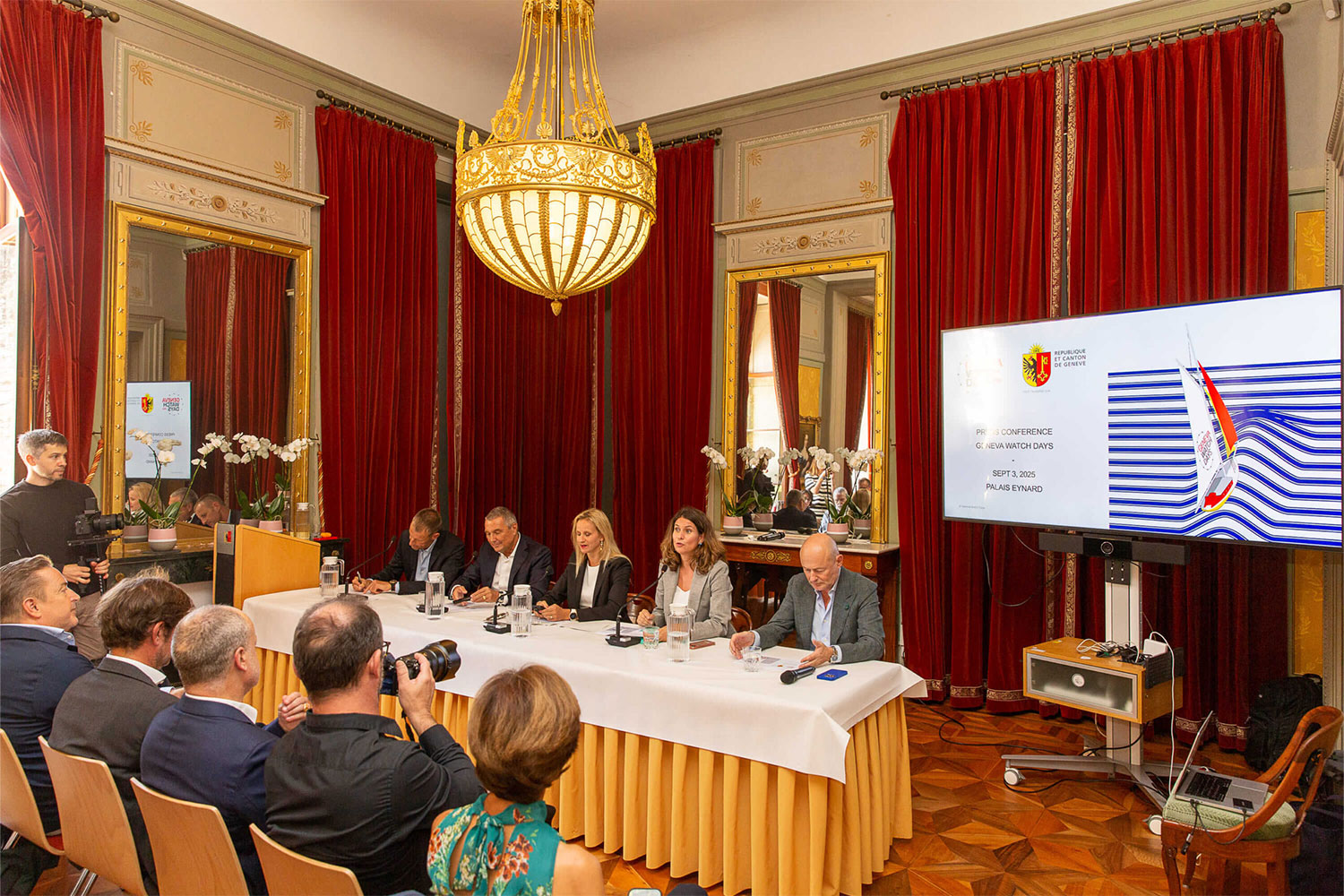
(from left): Patrick Pruniaux, Jean-Christophe Babin, Delphine Bachmann, Christina Kitsos, Vice President of the Administrative Council of the City of Geneva, and Georges Kern, at the opening press conference of Geneva Watch Days 2025 (Image: © 2025 Ivan Simeon)
We also received remarkable support from the Genevan State and City authorities. Within days, we had approval from the city and the canton, who saw the value in reviving the city’s identity as a global watchmaking capital. That early support was crucial. It allowed us to host the event during very challenging public health conditions.
A big part of the success was also the willingness of a core group to share responsibilities. Everyone had a role. From logistics to safety to public outreach — it was a shared mission, not a corporate rollout.
What made Geneva Watch Days stand out from more traditional fairs?
Three main things. First, flexibility. There was no central hall or fixed booths. Each brand hosted its guests in its own space, in its own way. Second, inclusivity. We introduced a tiered pricing system that allowed micro-brands and startups to participate for a fraction of what the big brands paid. That democratized the platform in a way other fairs never had. And third, the spirit of collaboration. We weren’t just exhibiting, we were celebrating watchmaking together.
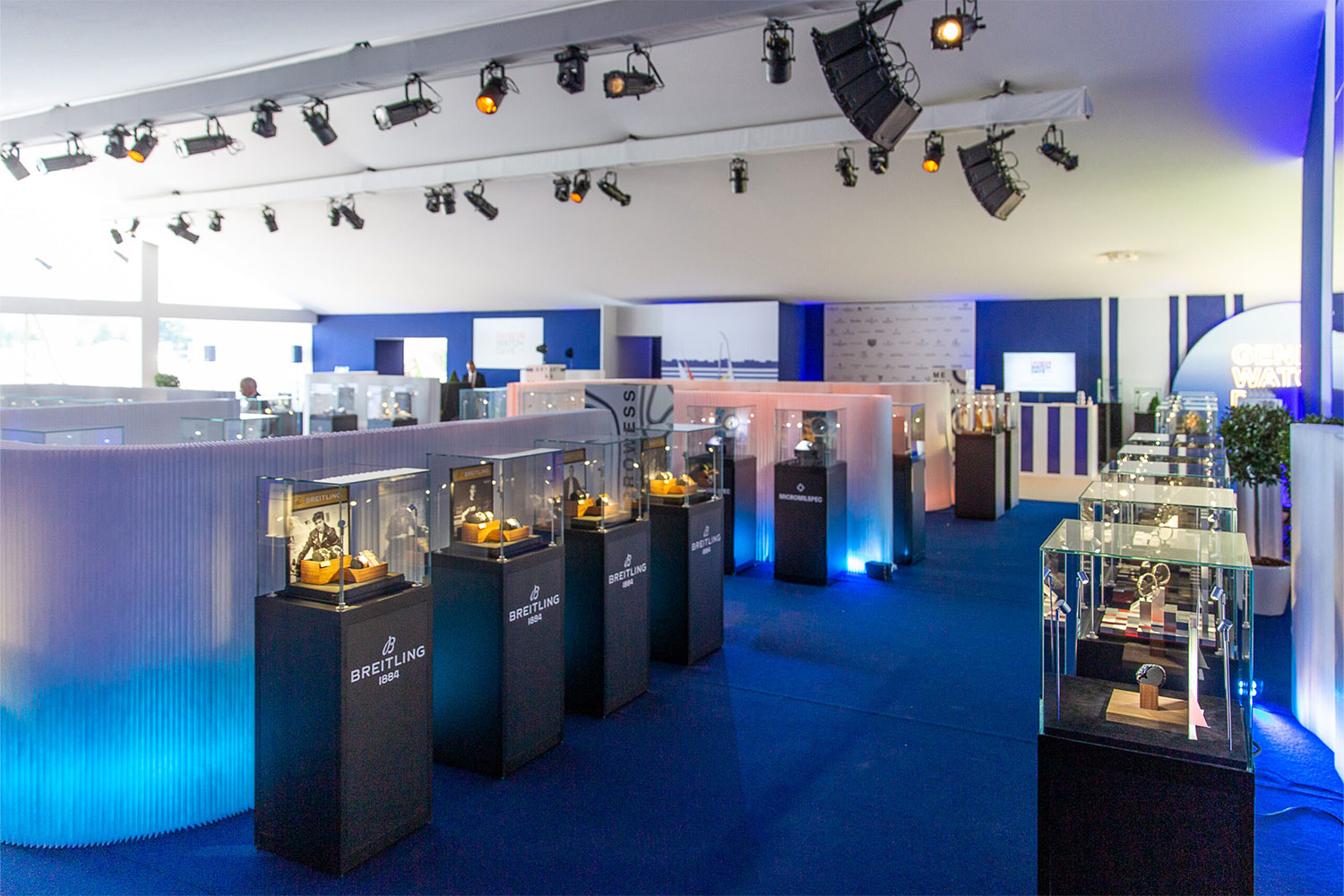
The Prowess exhibition featured over 150 timepieces and were presented across 59 showcases in a series of themed displays (Image: © 2025 Ivan Simeon)
Geneva Watch Days also brought the city into the fair. Public events, outdoor gatherings, open-air lounges and digital broadcasts made it more than just a trade show. It became a community moment. You saw journalists, CEOs, collectors and locals mingling freely. That relaxed, shared environment created a level of warmth and accessibility that is frankly missing in the larger, more sterile trade shows.
How did the public and collectors react at the outset?
The response was overwhelmingly positive. Especially in 2020 when people were desperate for human connection. Collectors love discovering new brands, and Geneva Watch Days gave them that. They weren’t confined to seeing only the big names; they could explore the full creative spectrum of horology. We also organized virtual “phygital” presentations for media and clients in Asia and America, allowing us to reach 50 to 60 percent of the usual audience despite travel restrictions.
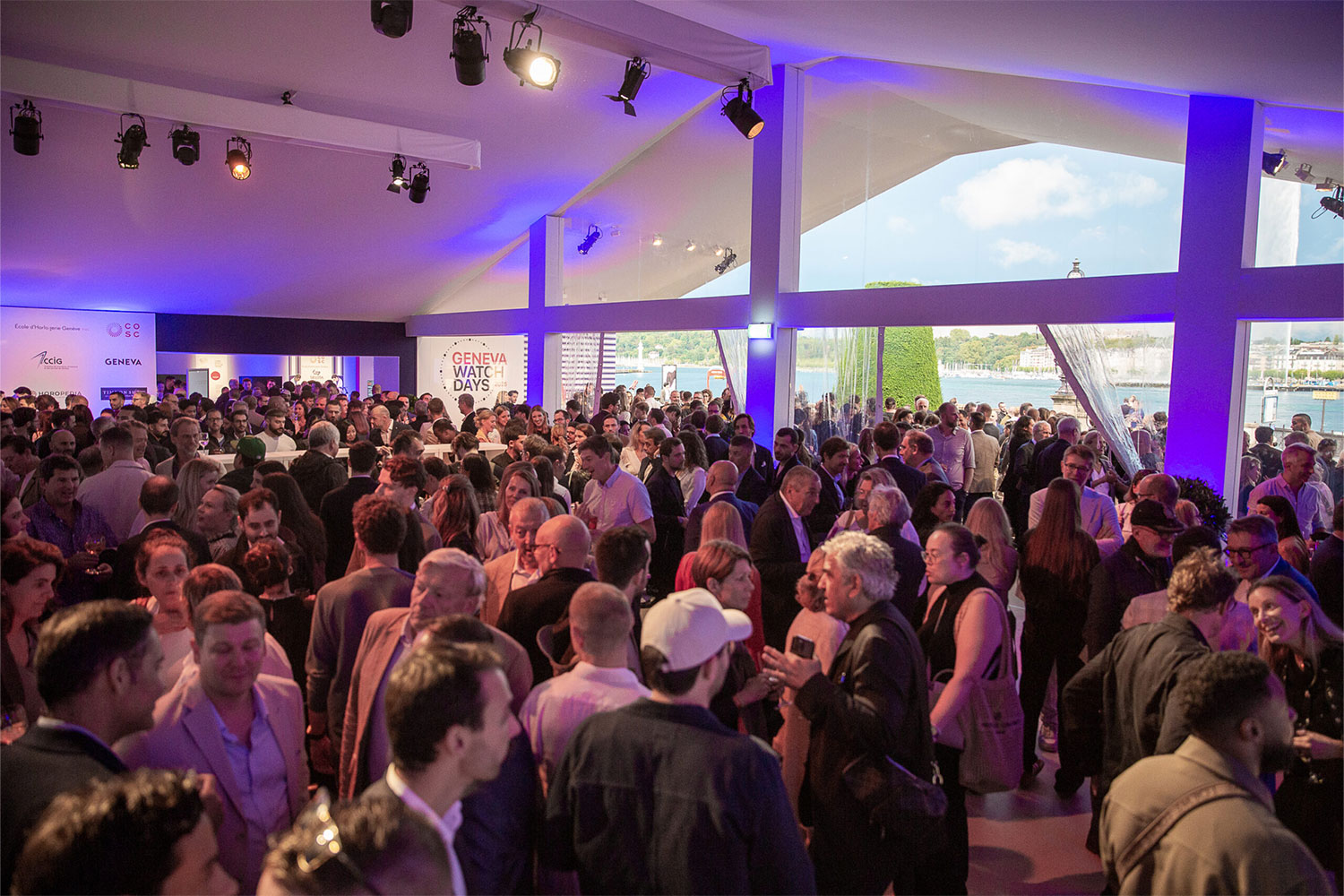
The 6th edition of Geneva Watch Days welcomed more than 17,000 visitors in total (Image: © 2025 Ivan Simeon)
Today, we continue to prioritize collectors. They are part of the culture of the event. We’ve built a strong community that looks forward to Geneva Watch Days each year. And we’ve seen these collectors return year after year, bringing friends and expanding the reach through word of mouth. Their enthusiasm is a key metric of our success.
You mentioned that the fair is self-managed. How does that work in practice?
Geneva Watch Days is a non-profit association owned collectively by its member brands. There’s no corporate overlord. We all have skin in the game. Each brand contributes resources, staff, ideas, funds … and we divide tasks among internal project teams: logistics, hospitality, communications and so on. This keeps costs low and ensures that everyone is invested.
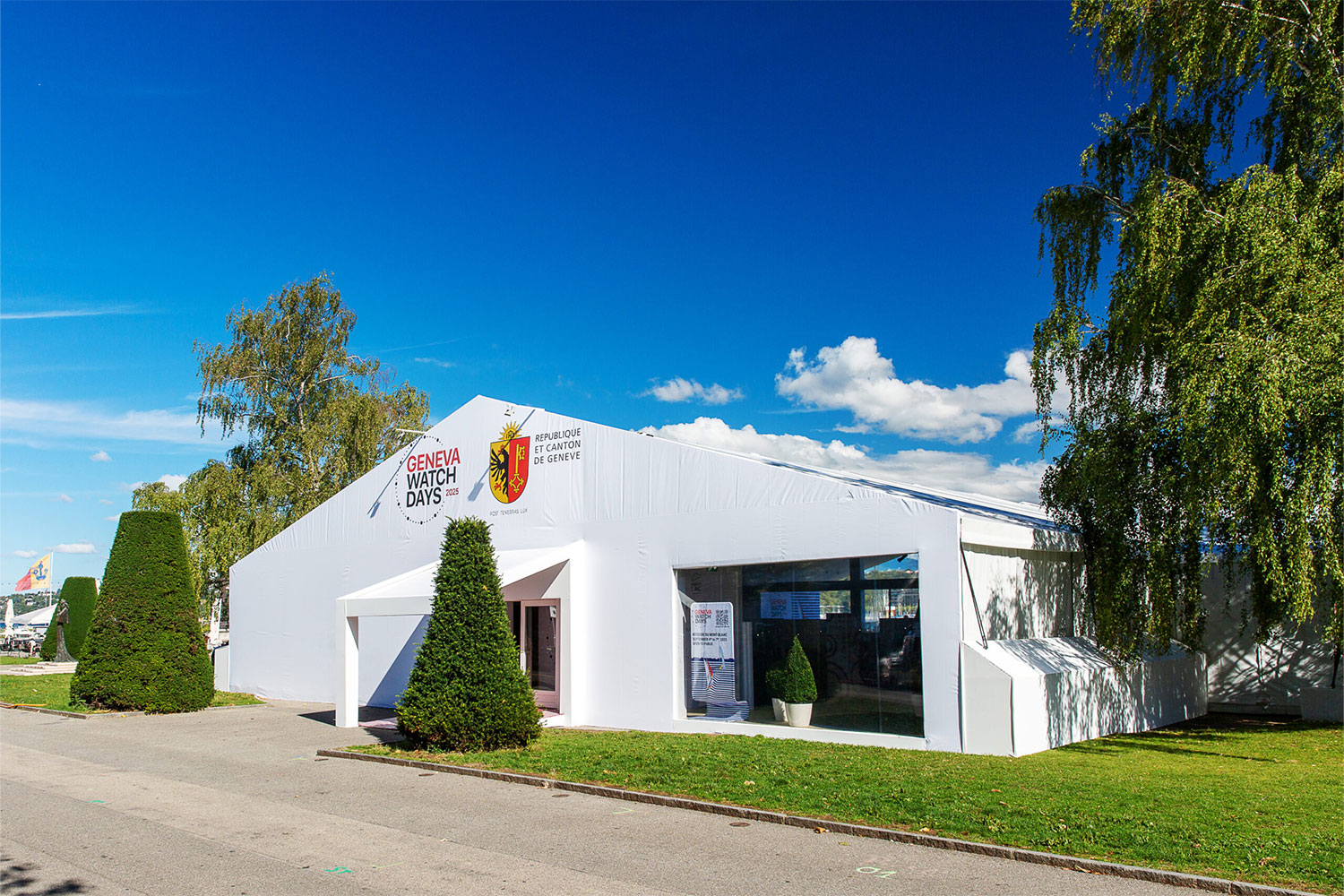
The Pavilion at the Rotonde du Mont-Blanc — expanded this year to 800 m² — saw 66 brands participate in the official 2025 program (Image: © 2025 Ivan Simeon)
The only major centralized cost is the Pavilion, a temporary structure on the Rotonde du Mont-Blanc that serves as the fair’s heart. It hosts shared exhibitions, press events and evening gatherings. Everything else is brand-managed. This structure has proven to be not only efficient, but also deeply empowering for smaller brands.
We also made sure that no brand, big or small, would be excluded based on budget alone. The tiered system works, and it’s been key to the diversity of the fair. And honestly, the fact that CEOs and brand founders are physically present makes all the difference. It sends a message: everyone here is in it together.
Bvlgari’s Director of Watch Communication Catherine Eberlé-Devaux is the Managing Director of Geneva Watch Days. What’s her role?
Catherine has been instrumental. She joined Bvlgari after years of experience in luxury communication and quickly became the organizational heartbeat of Geneva Watch Days. She coordinates virtually everything, from liaising with the city and sponsors to curating the cultural programming.
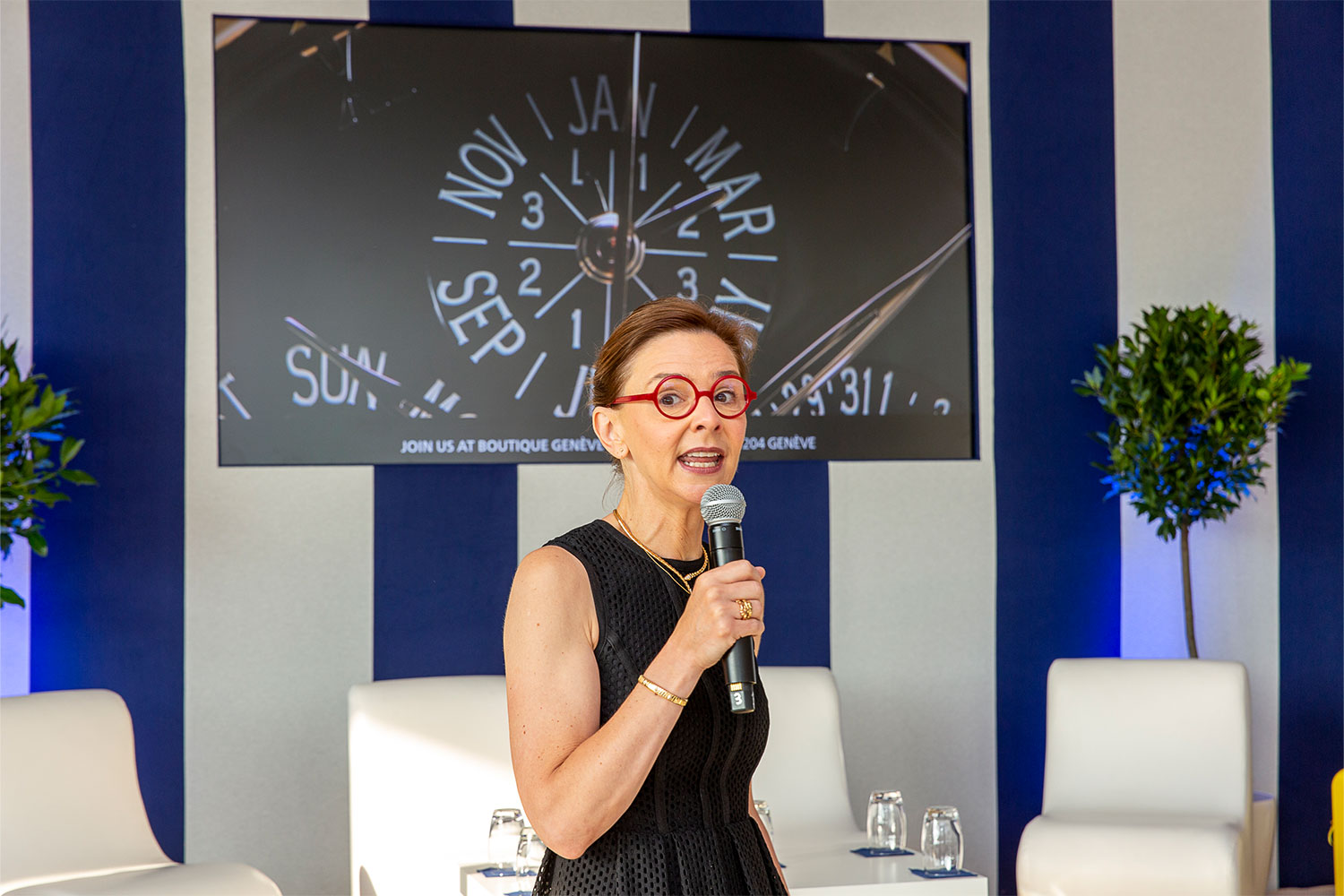
Catherine Eberlé-Devaux
She brings both structure and creative flair to the operation and thanks to her, we’ve expanded the event to include talk shows, thematic breakfasts, live contests and even technical challenges like this year’s Calibership Challenge.
Catherine also understands the pulse of the industry. Under her leadership, we’ve introduced forums that allow for deep discussion — not just about watches, but about sustainability, diversity and innovation. Geneva Watch Days has become a stage for new voices as well as new products.
Read: The Language Of Catherine Eberlé-Devaux
Geneva Watch Days has clearly evolved. Where do you see it going in the next five to 10 years?
The potential is huge. The model is scalable, and we’ve had interest from other cities. But for now, we want to consolidate Geneva as its permanent home. There’s symbolic and historical significance to keeping it there. Geneva is, after all, the heart of Swiss watchmaking.
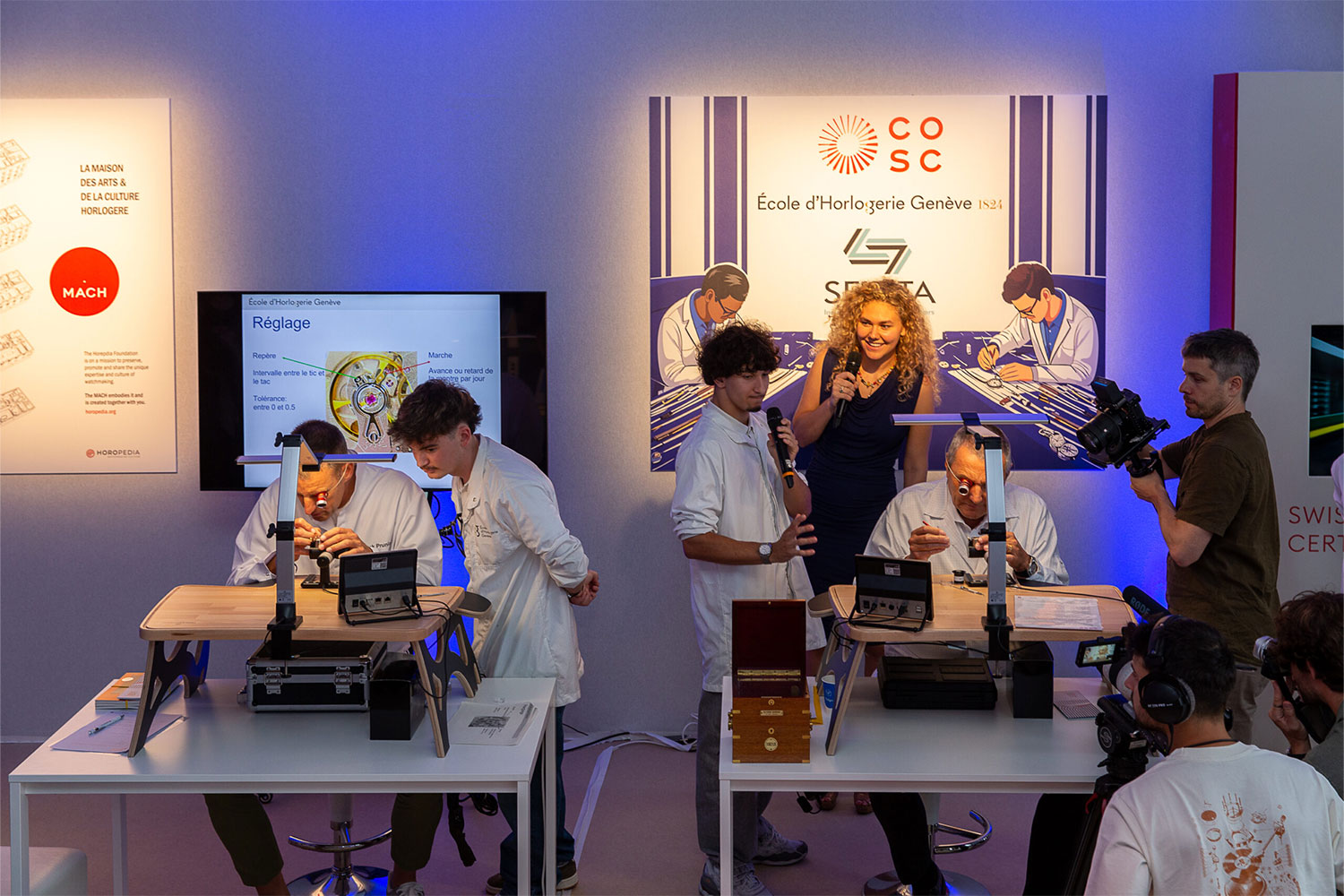
The Calibership contest brought together 40 participants — industry figures and members of the public, competing on equal footing — to test their skills in regulating a watch (Image: © 2025 Ivan Simeon)
We’ll likely continue adding more cultural content through workshops, exhibitions and academic collaborations. And we’ll be careful to limit the size. We believe the sweet spot is around 65 to 70 brands. Any more, and we risk losing the intimacy and quality that make Geneva Watch Days special.
We also want to engage the next generation. Young collectors, students, digital content creators. That’s why you’ll see more interactive experiences and partnerships with design schools and tech incubators. We want Geneva Watch Days to remain relevant for decades to come.
You were recently appointed head of LVMH’s entire watchmaking division. How does that influence Geneva Watch Days?
My new role at LVMH Watches, overseeing TAG Heuer, Hublot and Zenith, in addition to Bvlgari, gives me a broader perspective, but it doesn’t change my view on Geneva Watch Days. In fact, it reinforces the importance of having platforms that support innovation, independence and inclusivity.
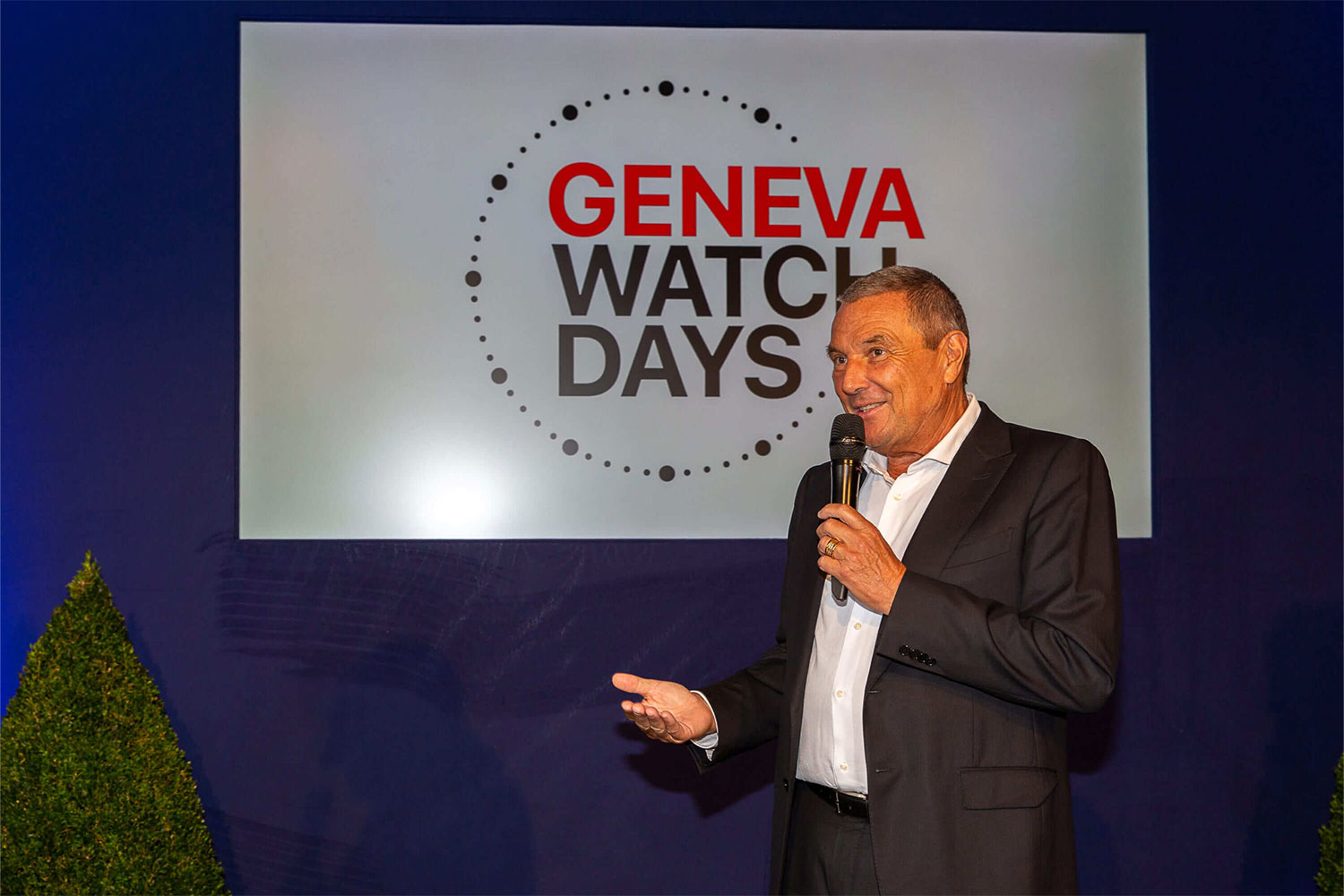
Jean-Christophe Babin, CEO of Bvlgari Group, CEO of LVMH Watches Division and President of Geneva Watch Days (Image: © 2025 Ivan Simeon)
Geneva Watch Days isn’t about corporate domination. It’s about the ecosystem. It welcomes diversity, and that’s something I believe in deeply. Whether you’re a micro-brand or a major maison, you have a place here if you’re passionate about watchmaking. It’s also a reminder that some of the most impactful innovations come from the edges of the industry. Geneva Watch Days gives them a stage.
Do you see Geneva Watch Days becoming a rival to Watches and Wonders?
Not at all. We’re complementary. Watches and Wonders is mostly for large, established maisons and takes place in spring. Geneva Watch Days, with its late summer timing, caters to a broader range of brands and is positioned right before the key retail season that encompasses Golden Week, Diwali, Thanksgiving, Hanukkah, Christmas, Lunar New Year and other holidays.
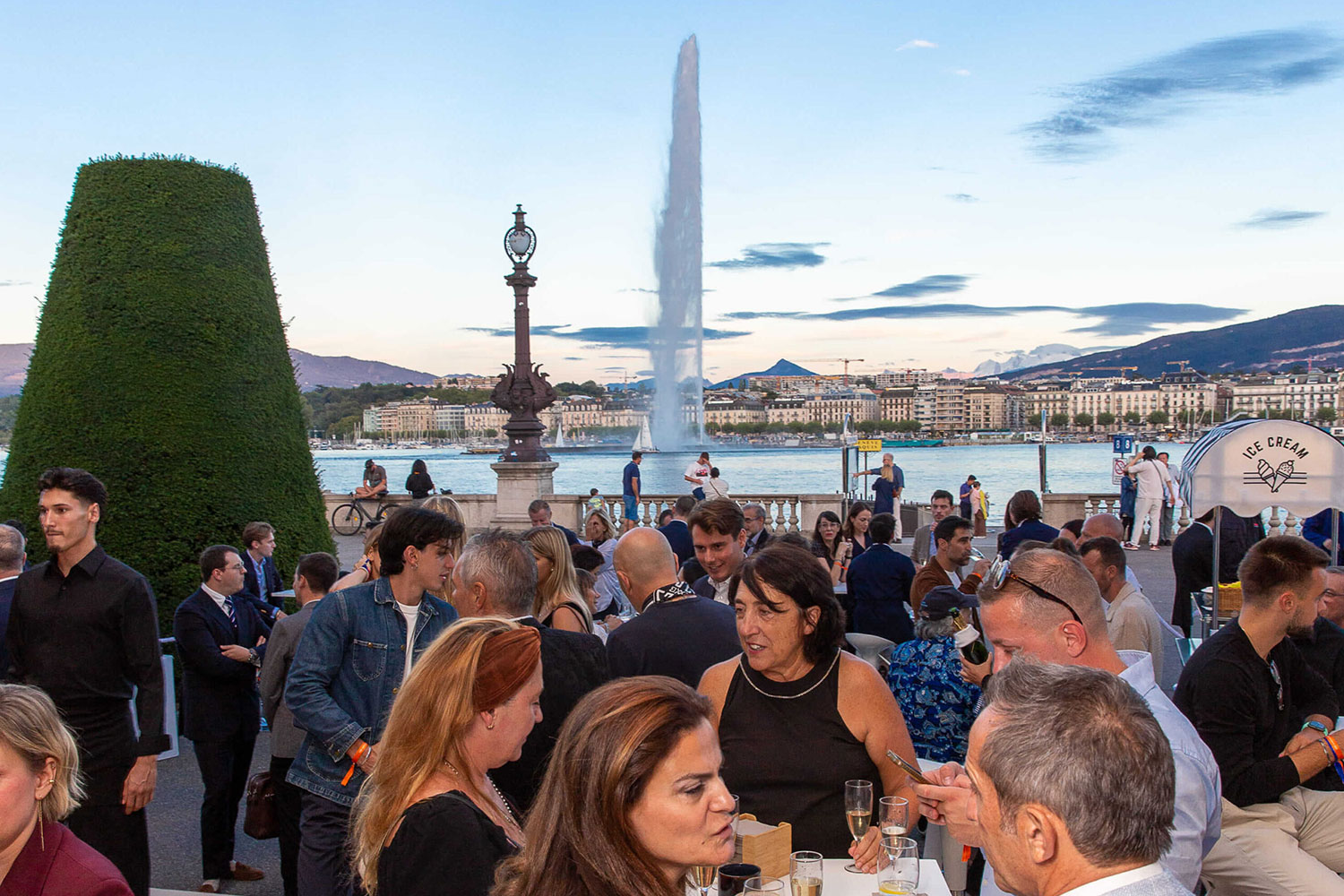
Networking evenings also made their mark on this edition, which gathered more than 1,200 guests in a festive, relaxed, and unifying atmosphere (Image: © 2025 Ivan Simeon)
There’s room in the calendar and the market for both. What matters is that both events elevate the industry and bring people together. If anything, Geneva Watch Days has encouraged everyone to raise their game and to think more about experience, openness and storytelling.
As Geneva Watch Days grows, how do you intend to keep it personal and authentic?
That’s always at the top of my mind. Our approach is to maintain a boutique-fair mentality. We focus on quality over quantity, encourage CEO participation and foster a celebratory rather than transactional atmosphere. It’s about relationships, not just revenue.
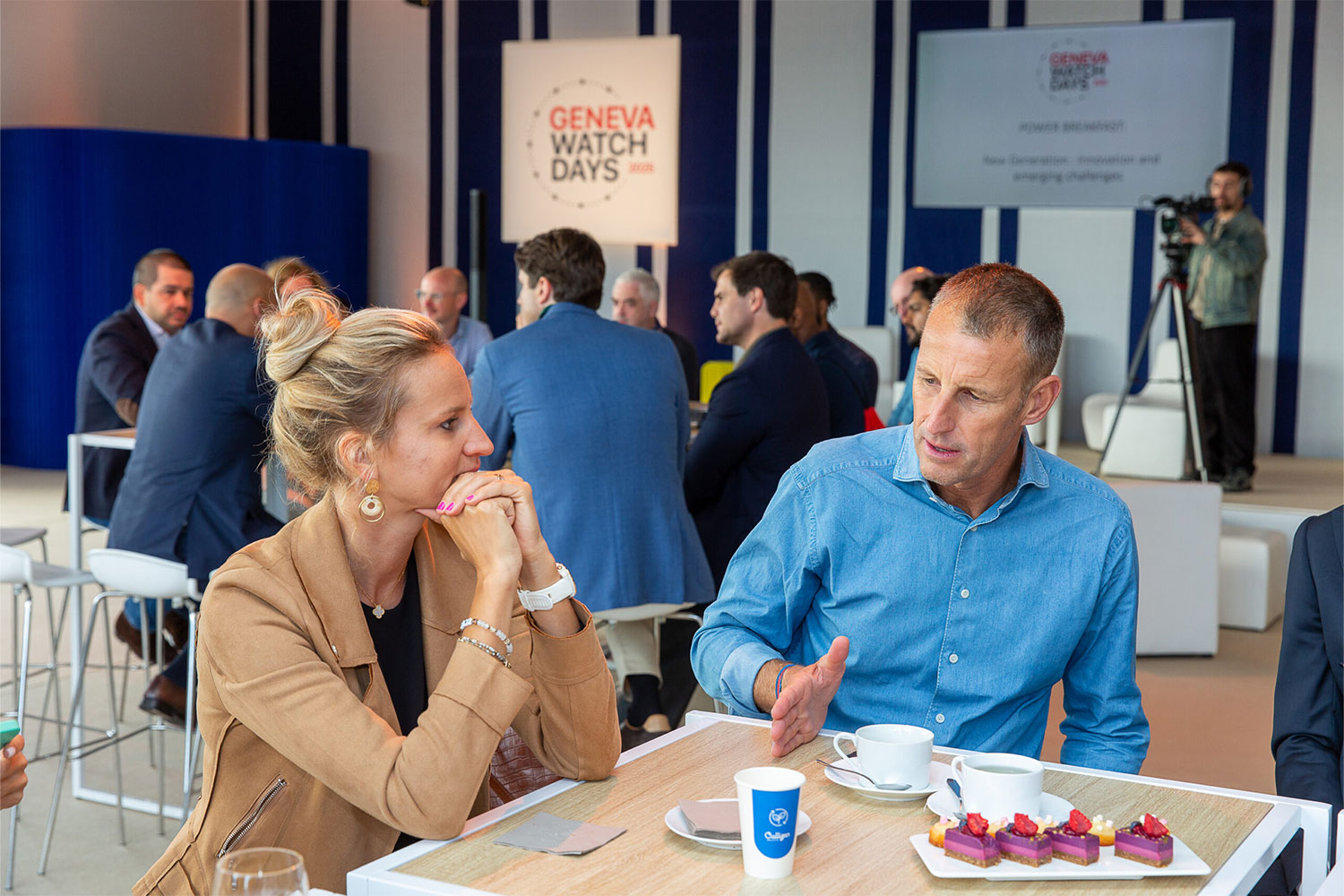
Power Breakfasts gave several CEOs and Geneva business leaders the chance to engage directly with the public (Image: © 2025 Ivan Simeon)
We also limit the number of hotel rooms we book, keeping the experience intimate. It’s like staying at a boutique hotel instead of a giant resort. That’s the vibe we want to preserve. Fun, elegant, but relaxed. Another key is transparency. Brands know what they’re paying for, and attendees know what they’re getting. There are no hidden agendas, and that creates trust, which can be a rare commodity today.
Finally, how would you sum up Geneva Watch Days for someone who has never been?
Geneva Watch Days was born out of necessity, but it’s become something deeply meaningful. It’s not just about watches, it’s about community, creativity and culture. I never imagined in 2020 that it would still be going strong in 2025, let alone expanding. But here we are. And I believe its best days are still ahead.
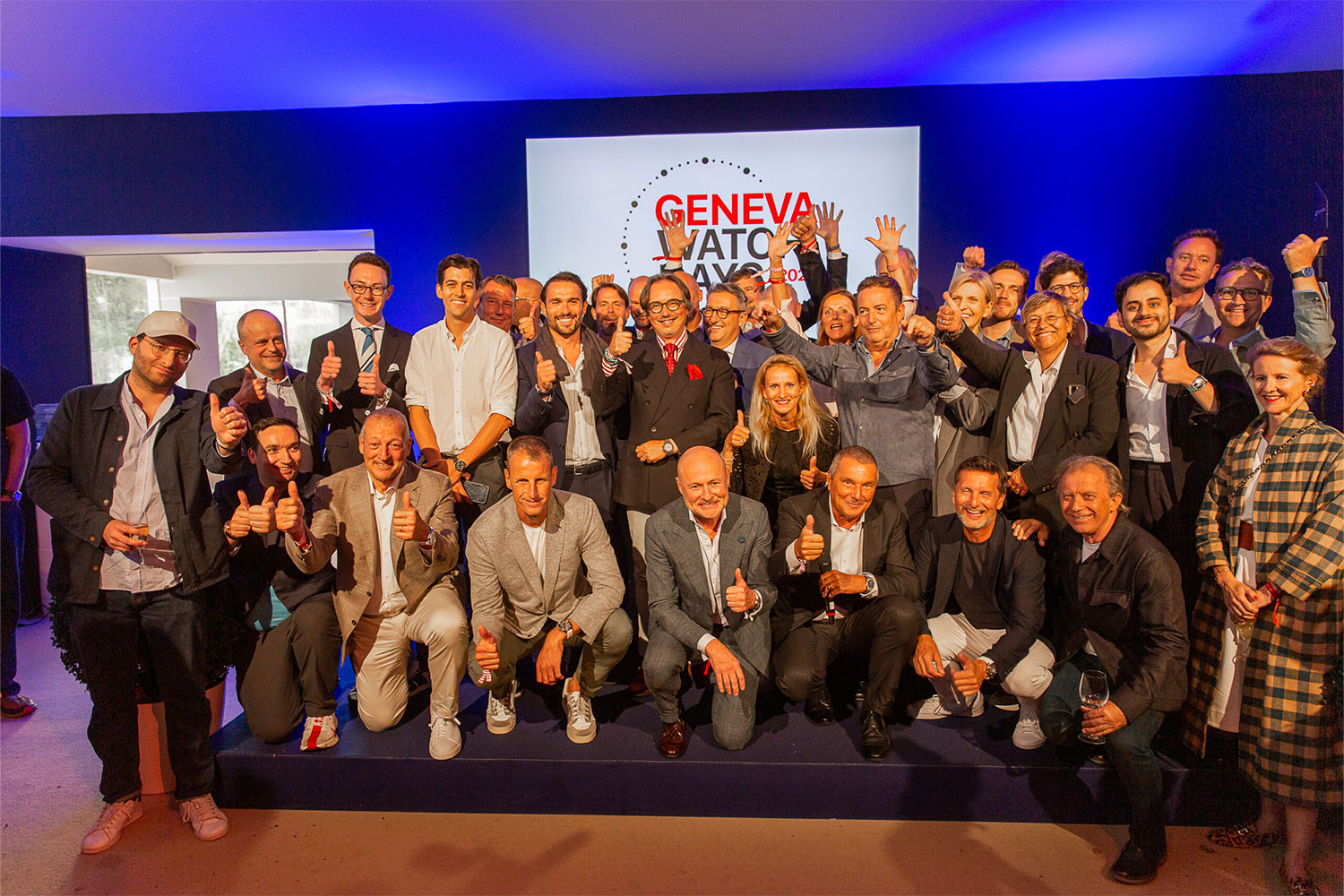
Created in 2020 by eight pioneering brands, Geneva Watch Days has since become an independent event, supported by the State and City of Geneva, the Fondation de la Haute Horlogerie (FHH), Geneva Tourism, the CCIG, the Grand Prix d’Horlogerie de Genève (GPHG), as well as long- standing media partner GMT (Image: © 2025 Ivan Simeon)
And perhaps most importantly, it’s a reminder of what we can do when we choose collaboration over competition. That spirit is what will carry Geneva Watch Days, as well as watchmaking, into the future.
You may also like
Interviews
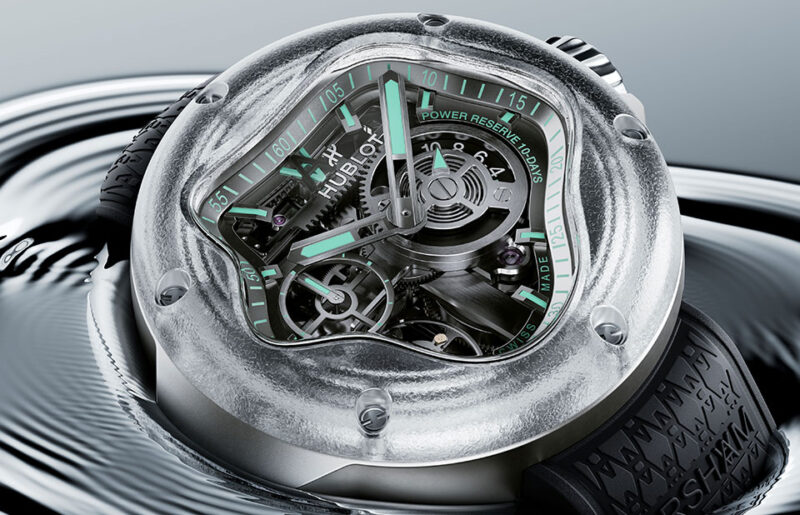
Daniel Arsham Debuts His First Wristwatch Design For Hublot In The MP-17 Meca-10 Arsham Splash Titanium Sapphire
Oct 9, 2025
Interviews
Daniel Arsham Debuts His First Wristwatch Design For Hublot In The MP-17 Meca-10 Arsham Splash Titanium Sapphire
Oct 9, 2025
Interviews
Gagà Laboratorio: A Swiss Watch Brand with Italian Soul
Sep 16, 2025
Interviews
Gagà Laboratorio: A Swiss Watch Brand with Italian Soul
Sep 16, 2025
Interviews
The Enduring Legacy Of Gérald Genta And The Ingenuity Behind His Credor Locomotive, As Told By Evelyne Genta
Sep 11, 2025
Interviews
The Enduring Legacy Of Gérald Genta And The Ingenuity Behind His Credor Locomotive, As Told By Evelyne Genta
Sep 11, 2025