

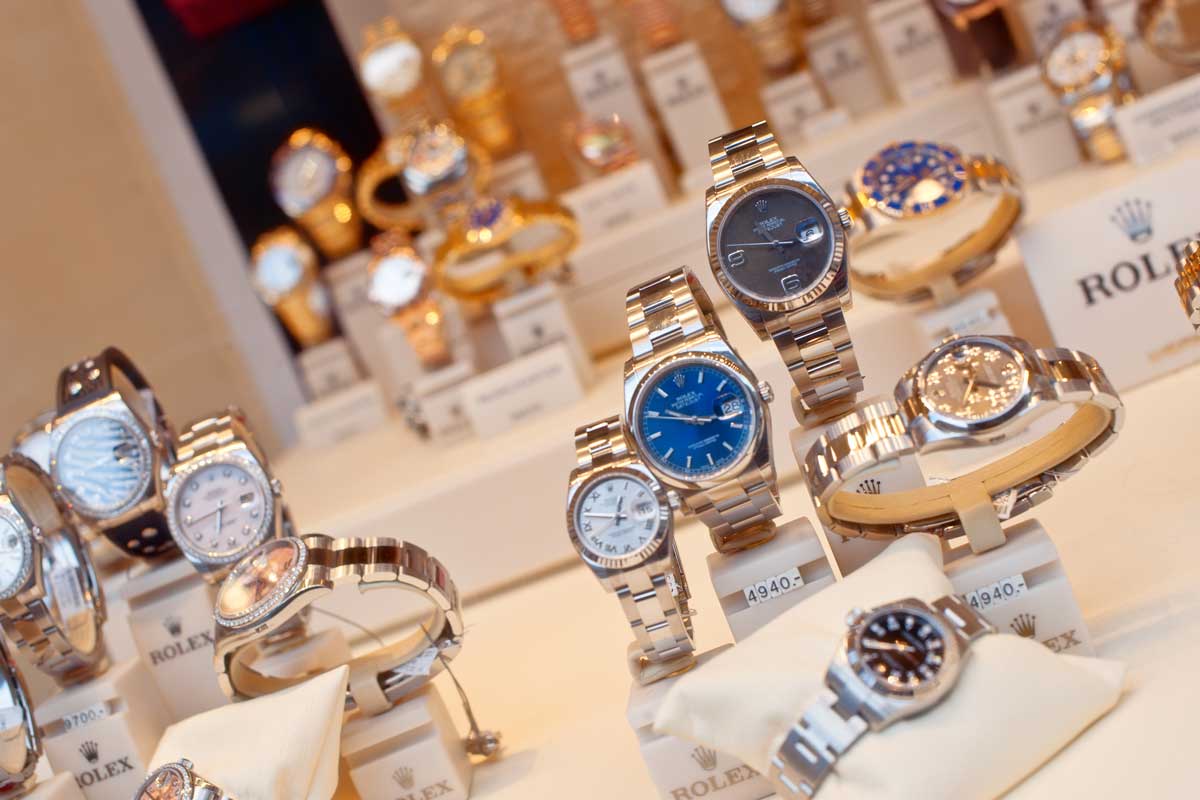
Watch Shopping Around The World: Tax Refunds In The Major Watch Hubs
Business
Watch Shopping Around The World: Tax Refunds In The Major Watch Hubs

Since the introduction of new trade tariffs on goods arriving to the US, luxury Swiss watch brands now face the reality of an additional 10% in import taxes. This is just phase one of the Liberation Day taxes announced by the White House in early April. Part two will come in just over two months when the 90-day pause on reciprocal tariffs lifts.
When that happens, Swiss made products will be a further 31% more expensive to import. This leaves American retailers and distributors with little choice but to pass the cost onwards to their customers. Or absorb it themselves. As one of the best destinations for watch shopping around the world, the US is currently the industry’s global leader in watch sales.
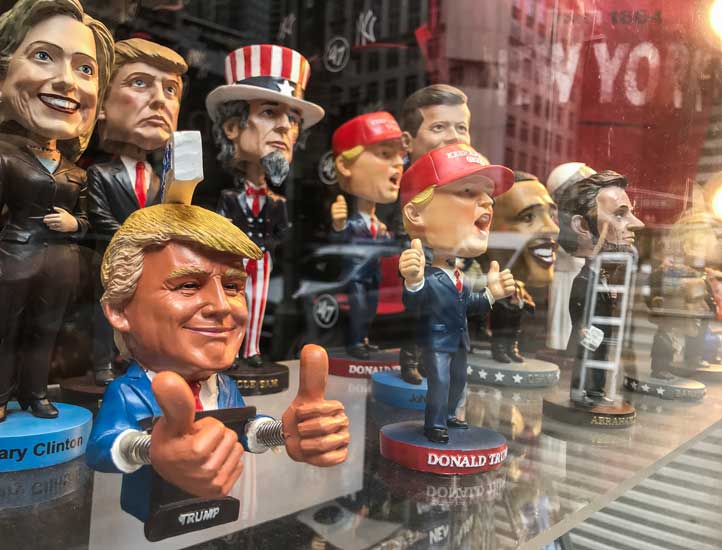
America number 1
But with prices set to adjust upwards come July, consumers might soon be looking outside of the US for their next timepiece acquisition.
Watch Shopping In The USA
Luxury shopping in the US has seen exponential growth over the last four years. Watch sales in the US grew more than 30% in 2021, consistently increasing year-on-year to CHF 4.372 billion as of 2024. Some of the best cities in the US for luxury shopping include Los Angeles, Las Vegas, Chicago, Miami and New York.
These cities have the highest concentration of designer boutiques and luxury departmental stores, standalone watch boutiques, and top notch watch retailers. Then there is the secondary market, which is very robust, growing steadily alongside the primary market. Up until the beginning of 2025, American buyers are in a very favourable position to shop within their domestic market.

Rodeo Drive, Los Angeles
But as soon as the US reciprocal tariffs kick in this July, prices in the US are set to soar 41% in total. This is a combination of the 10% universal tax and a 31% additional levied on all Swiss made products. To be clear, these taxes are applied to import value rather than retail value. Nonetheless it will still be a significant nett increase.
US State and Local Taxes
This comes on top of state sales taxes already paid to the US government on goods and services consumed. Of the 50 states in America, 45 plus the District of Columbia impose state-wide sales taxes at varying percentages. Among these, states with the highest sales tax rates are Louisiana (10.12%), Tennessee (9.56%), Arkansas (9.46%), Washington (9.43%) and Alabama (9.43%). The five states that do not impose sales taxes are Alaska, Delaware, Montana, New Hampshire and Ohio.
On top of state-wide sales tax, some areas also impose local sales tax. In New York, for instance, purchases are subject to 4.5% NYC sales tax and 4% state sales tax. Then add to that 0.375% Metropolitan Commuter Transportation District surcharge for a grand total of 8.875%.

A Tourneau boutique in New York
Likewise, the state of California imposes a 7.25% state tax, plus 1% local tax and 1.5% special tax for a total of 9.75% in Los Angeles. If you’re buying a watch in Miami, the state of Florida imposes 6% in state sales tax plus 1% discretionary county surtax. In Sin City Las Vegas, shoppers pay 8.375% in county taxes which is a combination of 6.85% state sales and 1.53% local sales taxes. Finally, watch shopping in Chicago would incur 6.25% state sales tax plus a city sales tax of 1.25%.
These taxes are mostly not refundable even for tourists to the US.
Effect of Luxury Tax on Watch Retail
But the US isn’t the first country that faced additional tax levies on luxury goods. China is a market known for high luxury taxes. The Beijing government imposed luxury taxes as early as the 1990s in a bid to curb overspending on non-necessities. But in 2016, China further raised that amount following President Xi’s austerity measures which were put in place since 2013. Luxury goods including watches took a hit during a time when China was recorded as the fastest-growing market for expensive cars, watches and fashion.
As of 2023, the tax rates exhibit considerable variation depending on the product category, with certain items facing luxury tax rates as high as 60%. There’s more. Luxury shoppers in China will need to factor in the standard VAT rate of 17% on foreign goods plus a 20% consumption tax, bringing everything to a grand total of 97% over MSRP.
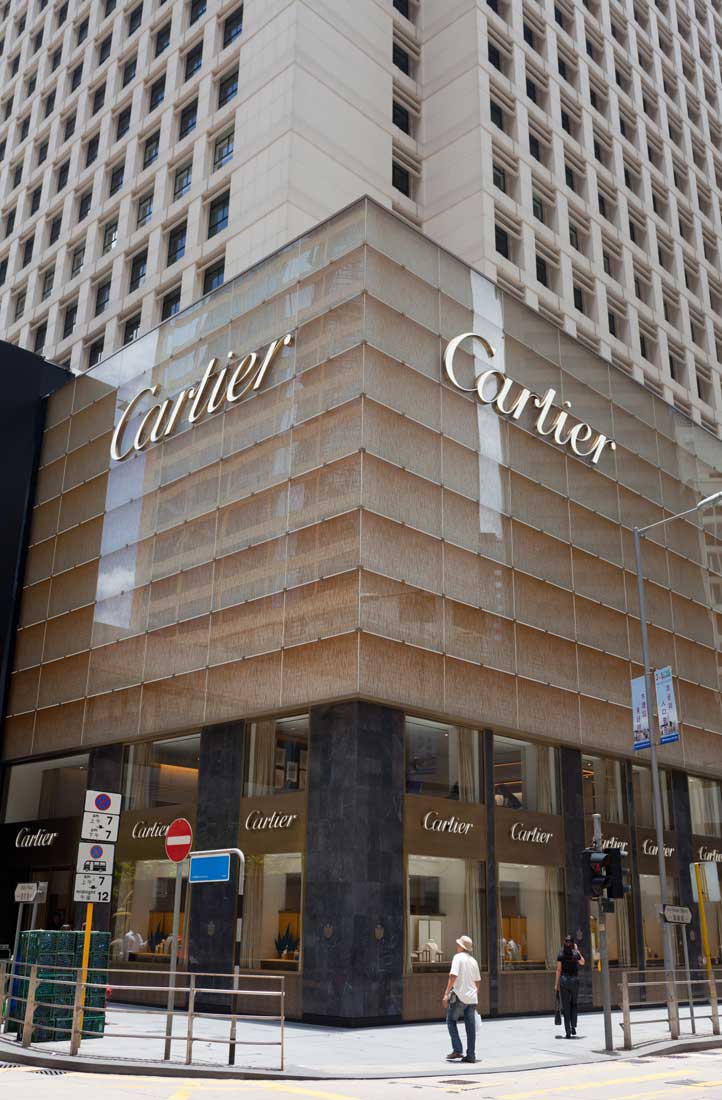
Cartier boutique, Shanghai
With such staggering duties on luxury products, it’s no wonder most Chinese buyers routinely shop overseas. To get their money’s worth, they buy everything from clothing and accessories to watches and jewelry. Travel retail and retail tourism are both huge in China. And shoppers don’t only buy for themselves, they literally buy for all their friends and family. So much so that the term ‘daigou’ has been coined, meaning to buy on someone else’s behalf.
This applies also to other key luxury destinations such as Hong Kong, Macau and Singapore, which see legions of Chinese tourists annually. For many consumers in Asia, retail tourism is the reason for travel.
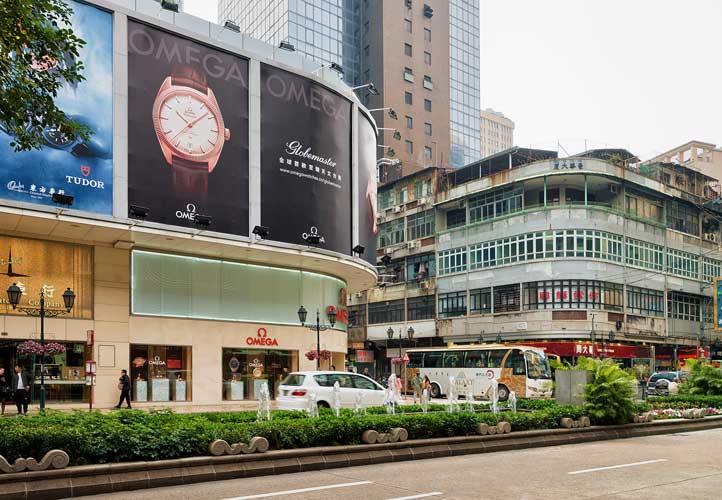
An Omega boutique in Macau
Watch Shopping in the EU
As the luxury center of the world, Europe, in particular Paris and Milan, has always been a top choice for watch buyers all around the world. The luxury goods market in France is projected to rake in USD 25.61 billion in 2025. This figure is expected to grow by 3.59% annually till 2029. Meanwhile in Italy, the luxury goods market is projected to generate USD 12.72 billion. It is expected to grow annually by 1.79% until 2029, figures according Statista. Other European cities like Frankfurt, Amsterdam and Barcelona are also great retail destinations for luxury shopping.

Place Vendôme, Paris
There are several reasons why Europe has traditionally been so attractive as a luxury retail destination. First of all, it is already a popular travel destination for its rich history and culture, as well as beautiful scenery. Second, it is where all of the world’s best luxury brands originate. France and Italy, then Switzerland specifically for watches. And this brings us to the third reason which is the VAT refunds, which can go up to 12% in France and Italy, and up to 5.4% in Switzerland. However, due to the continued strength of the Swiss franc, more luxury buyers prefer to acquire watches in the EU.
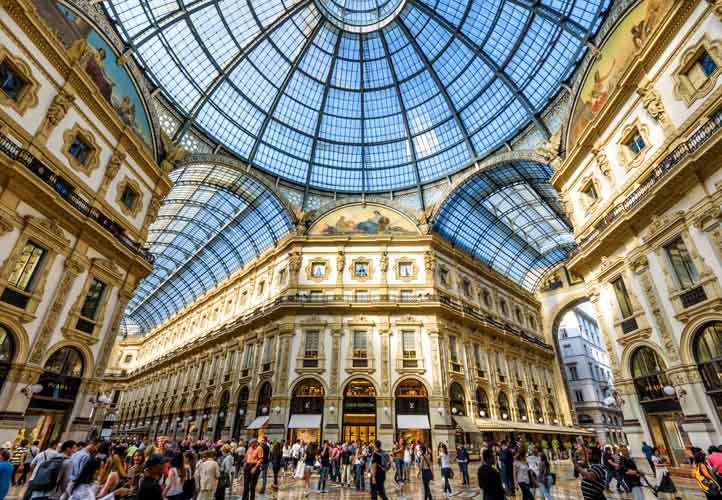
Galeria Vittorio Emmanuele II, Milan
Yet luxury shopping in the EU is not as before. Especially conspicuous luxury shopping. Rising street crime rates in key European cities have deterred shoppers and prompted luxury retailers to introduce safety measures. These include using plain white paper bags instead of brand named paper bags and increased in-store security. For this reason, most people would refrain from flaunting their luxury watches and jewelry or even handbags unless in an enclosed or secure venue.
Watch Shopping in Tokyo
In recent years Tokyo has become one of most prominent cities for luxury watch retail. The Japanese capital has always been a significant market for luxury brands worldwide. It is one of the world’s largest economies with high per capita GDP. For March 2025, Japan was the second largest market for Swiss watch exports at CHF 160.6 million. The nation consistently ranks among the world’s top 10 markets for Swiss watch exports.
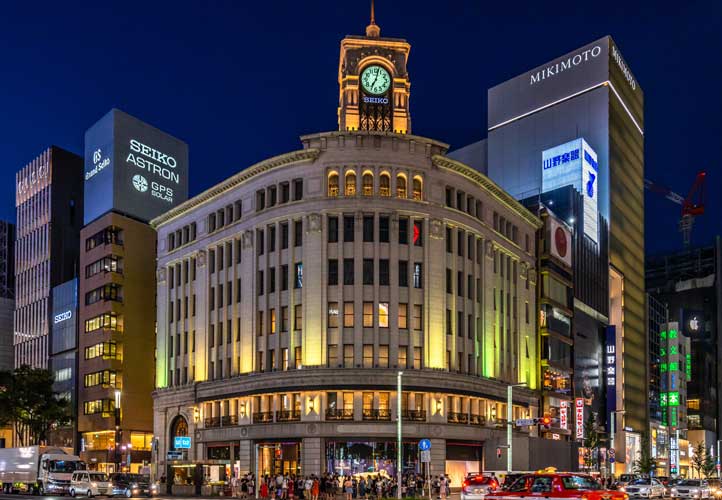
Wako Building, Tokyo
Even though Japan sees tens of millions of tourists each year, its luxury market is not wholly reliant on tourist spending. Domestic consumption has always been a major driver of luxury sales. However with the yen sliding continuously for years, tourists have been flocking over to enjoy the favorable rates of currency exchange.

Patek Philippe boutique by The Hour Glass, Tokyo
Moreover, the luxury retail scene in Japan is extremely sophisticated. Not just in the primary market but the secondary market as well. All around Ginza are the world’s best monobrand stores and multibrand retailers offering a vast selection including Japan-only models. Watch enthusiasts can also attest to the great retail experience browsing preowned and vintage timepieces all over the city. Especially popular are the favorites like Nakano Broadway.
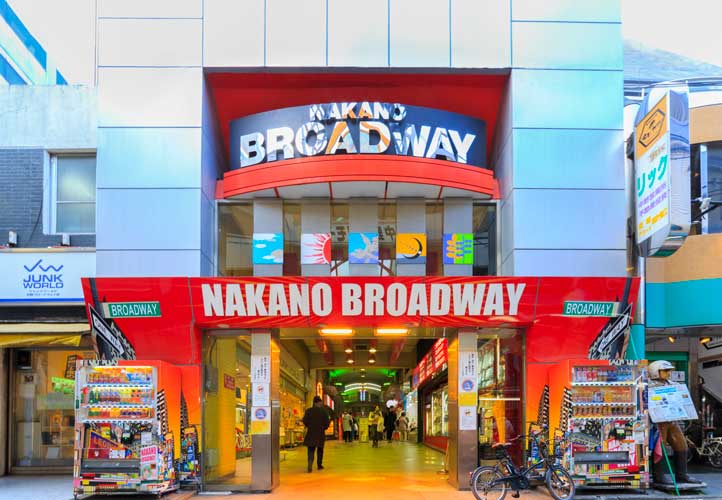
Nakano Broadway, Tokyo
For the most part, VAT refund in Japan was a breeze. Retailers would simply not charge tourists the 10% during checkout. However, as of November 2026, this will no longer be the case. Tourists would be required to make tax refunds at the airport within 90 days of purchase.
Lastly, Japan is undoubtedly one of the world’s safest countries. As such it is completely safe to be walking around Ginza with arms full of luxury purchases or wear an expensive watch out at night.
Watch Shopping in Singapore
There are several cities in the world that are known as the watch hubs of the world. Singapore is most definitely one of them. Tiny in comparison to other luxury markets but with an appetite for luxury timepieces that places consistently among the world’s top six for Swiss watch exports. For the month of March 2025, Singapore clocked CHF 137.1 million in watch sales. The country has some of the world’s best watch retailers such as The Hour Glass, Cortina Watch and Sincere Fine Watches, all of whom have a Asia-Pacific presence stretching as far as Hong Kong, Tokyo and Melbourne.
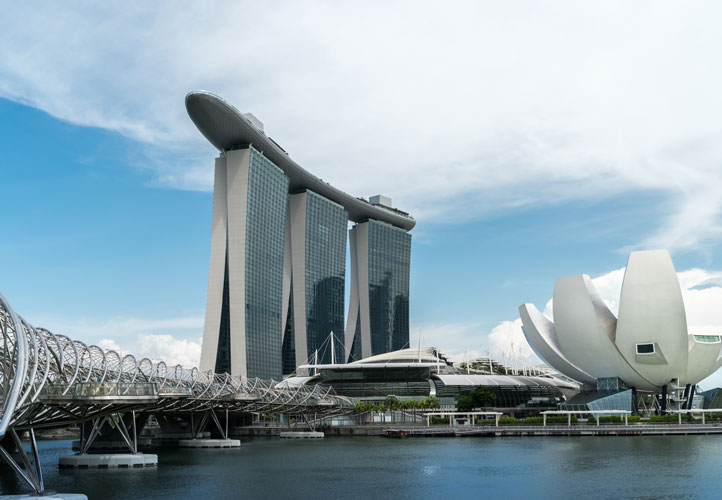
Marina Bay Sands, Singapore
Singapore’s luxury retail scene attracts large numbers of tourists from all over Asia and the Middle East. Watch buyers from Indonesia, Malaysia, Thailand and Vietnam habitually shopped luxury watches here in Singapore. One reason was product availability, as the range of brands as well as products here are the best in the region. Many brands also choose to open their Southeast Asian flagship store in Singapore, either at the Marina Bay Sands or Ion Orchard.
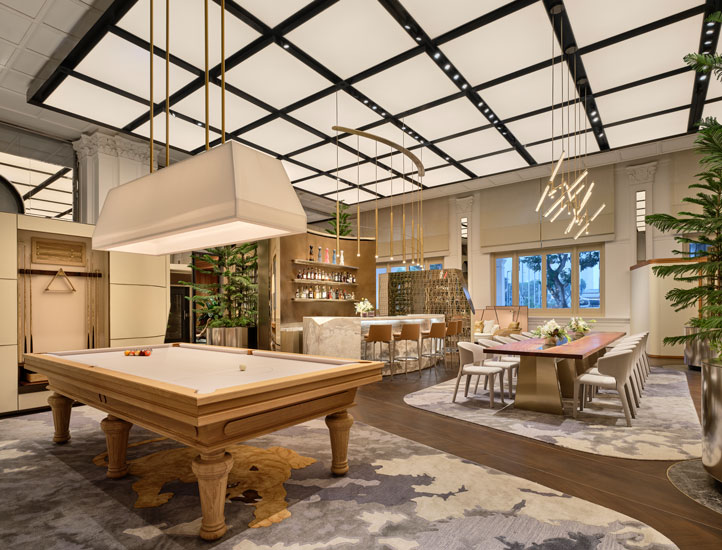
AP House Singapore
Another reason is once again the low crime rate in Singapore. Luxury consumers feel extremely safe wearing high-end timepieces and high jewelry out on the streets, without the need to keep a low profile.
For a time, Mainland Chinese travellers were driving the market, as many Singaporeans preferred to shop in Europe. However, since recovery from the global pandemic, domestic watch retail has gradually picked up.
Currently, the Singapore government imposes a nationwide Goods and Services Tax set at 9%. Tourists can get their tax refund within two months after purchase.
Watch Shopping in Dubai
As the indisputable watch hub of the Middle East, Dubai is a global city synonymous with opulence and luxury. Over the years Dubai has meticulously curated its identity as the ultimate luxury destination. From extravagant hotels and resorts to sprawling shopping malls complete with their own taxi service, retail therapy is practically a sport in Dubai.
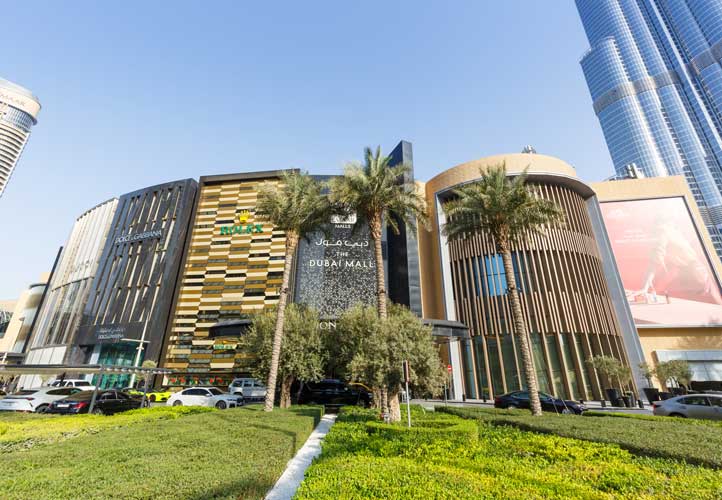
Dubai Mall
Like Singapore and Tokyo, Dubai offers a vast and diverse range of Swiss watch brands, from industry giants to small independents. The leading retailer here is Ahmed Seddiqi & Sons who has all but singlehandedly cultivated interest and passion for horology in the UAE. Through cultural and community building endeavors such as Dubai Watch Week, it was Ahmed Seddiqi & Sons that put Dubai on the horology map and acquainted the entire world to modern Dubai.
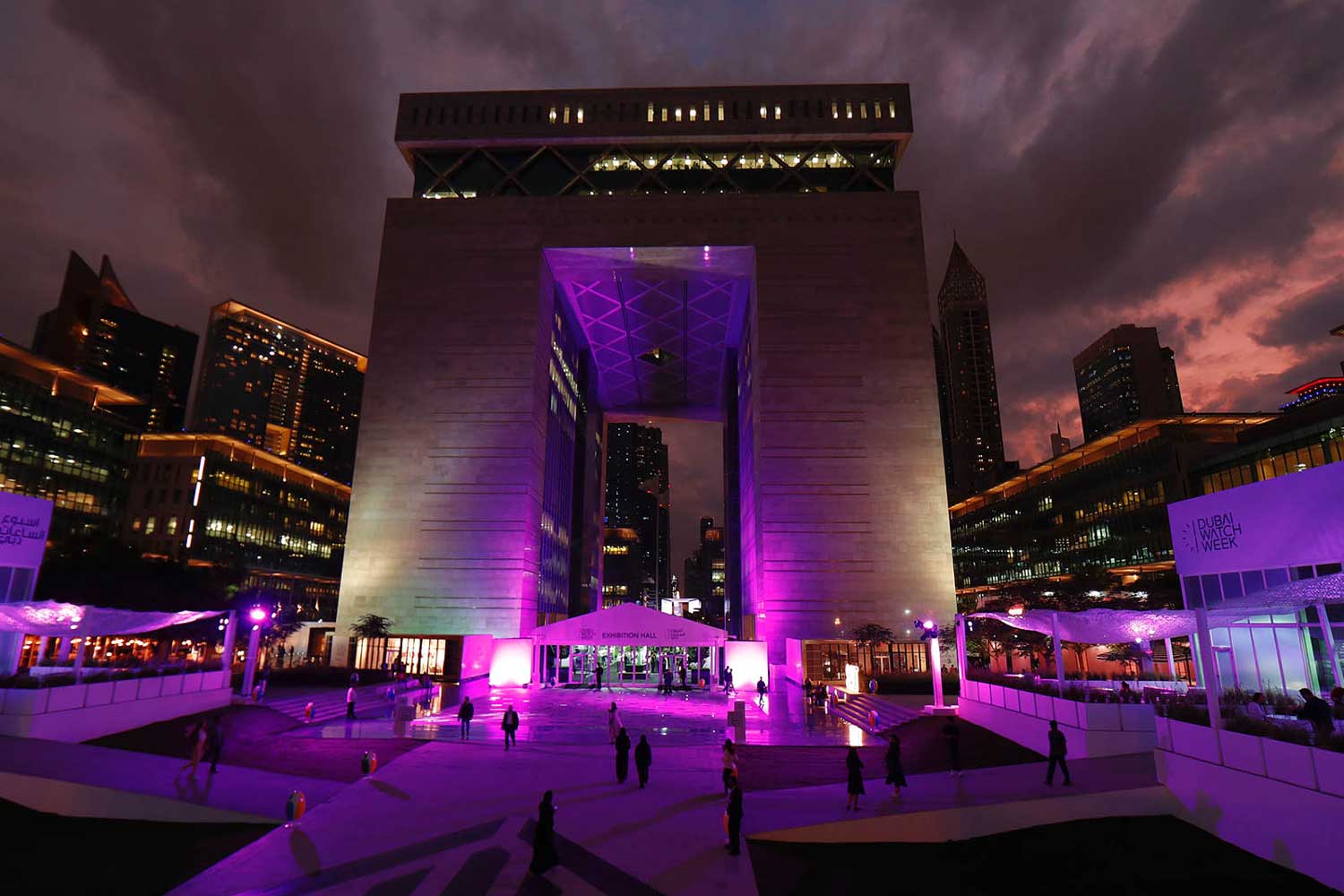
Dubai Watch Week
Next, what makes Dubai truly unique is its tax-friendly ecosystem: with minimal VAT and competitive pricing, it’s one of the few places where your dream timepiece might actually cost less than elsewhere. Add in knowledgeable staff, impeccable service, and often, same-day sizing and adjustments, and it’s easy to see why watch connoisseurs are setting their GMT hands to Gulf Standard Time.
Also, since it’s so safe and opulence completely normalized, there is no better place to enjoy your luxury timepieces to the fullest than Dubai. Whether it’s a blinged out AP or a flashy colorful RM, no one is going to bat an eyelid.
Watch Shopping in Hong Kong
In many ways very similar to Singapore and Dubai, Hong Kong has always been one of the world’s most popular watch shopping destinations. Geographically speaking it is tiny in comparison with the likes of France or Germany but it consistently ranks far above these European giants in Swiss watch imports.
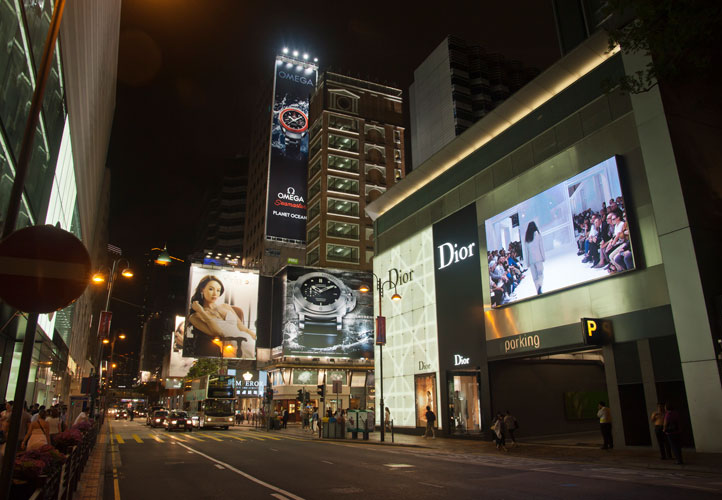
Tsim Sha Tsui, Hong Kong
A large segment of luxury consumers in Hong Kong are the Mainland Chinese but Hong Kongers themselves are also known to have a big appetite for luxury horology. Buying watches in Hong Kong is extra favorable also because it is a tax-free city. Hong Kong has no sales tax or VAT, which can instantly shave off a significant chunk of the budget compared to Europe or North America.
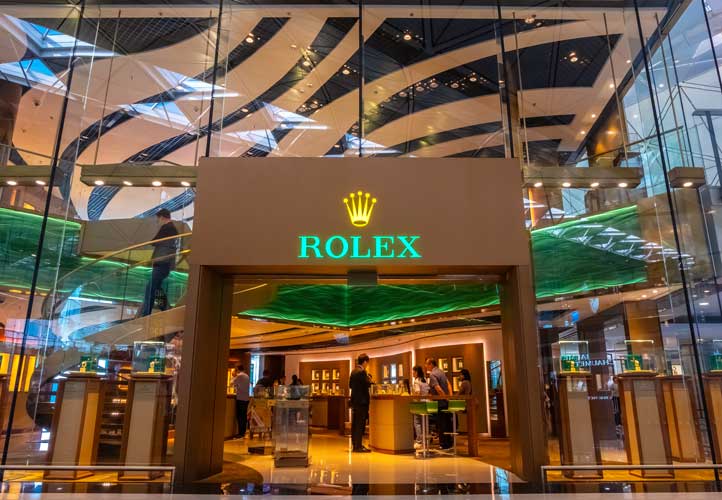
Rolex boutique at the Hong Kong Airport
The city is a mecca for both brand-new and pre-owned luxury timepieces. Shoppers can find everything from the latest releases to rare vintage pieces in shops across Central, Tsim Sha Tsui, and Causeway Bay. With so many authorized dealers and grey market resellers, pricing can be competitive — especially if you know how to negotiate or have a relationship with a dealer.
In a nutshell these cities have the perfect combination of a great retail scene, VAT refundable or tax-free, low crime rate and excellent watch culture. If buying watches in the US becomes no longer an option, maybe it’s time to look into retail tourism as the next best alternative.
You may also like
Business
Why Richemont’s Watchmakers Are Gearing Up For A Brighter 2026
Aug 18, 2025
Business
Why Richemont’s Watchmakers Are Gearing Up For A Brighter 2026
Aug 18, 2025

Business
Richemont Q1 FY2026: Richemont Posts €5.4B in Q1 Sales
Jul 22, 2025
Business
Richemont Q1 FY2026: Richemont Posts €5.4B in Q1 Sales
Jul 22, 2025

Business
New Ownership For Corum Watches, Company Back To Swiss Hands
Apr 30, 2025
Business
New Ownership For Corum Watches, Company Back To Swiss Hands
Apr 30, 2025